


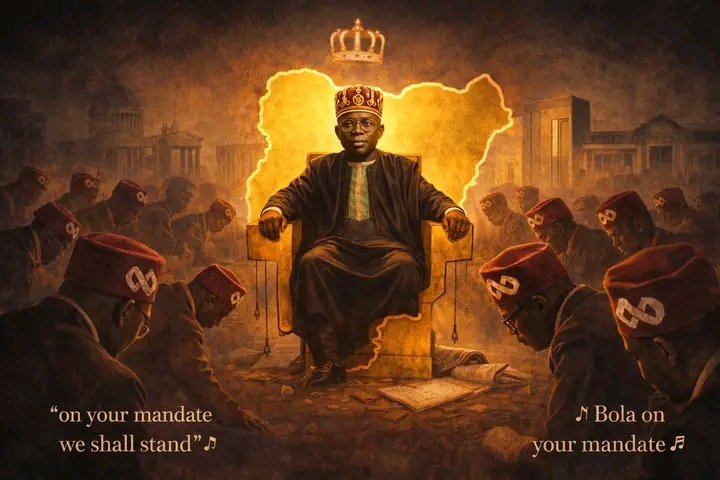
(DDM) – President Bola Tinubu’s recent visit to the United Kingdom, where he was seen interacting with King Charles III, has triggered fresh political commentary over the nature of power and democracy in Nigeria.
In a widely circulated opinion piece by Donu Kogbara, the author reflects on the symbolism of the encounter between the Nigerian leader and the British monarch during Tinubu’s official engagements in London and Windsor.
Kogbara argued that the imagery of the meeting gave the impression of “two monarchs,” suggesting that President Tinubu wields immense political influence within Nigeria’s current democratic structure.
The author further claimed that Tinubu’s political dominance has significantly weakened opposition forces in the country, raising questions about the balance of power in Nigeria’s democratic system.
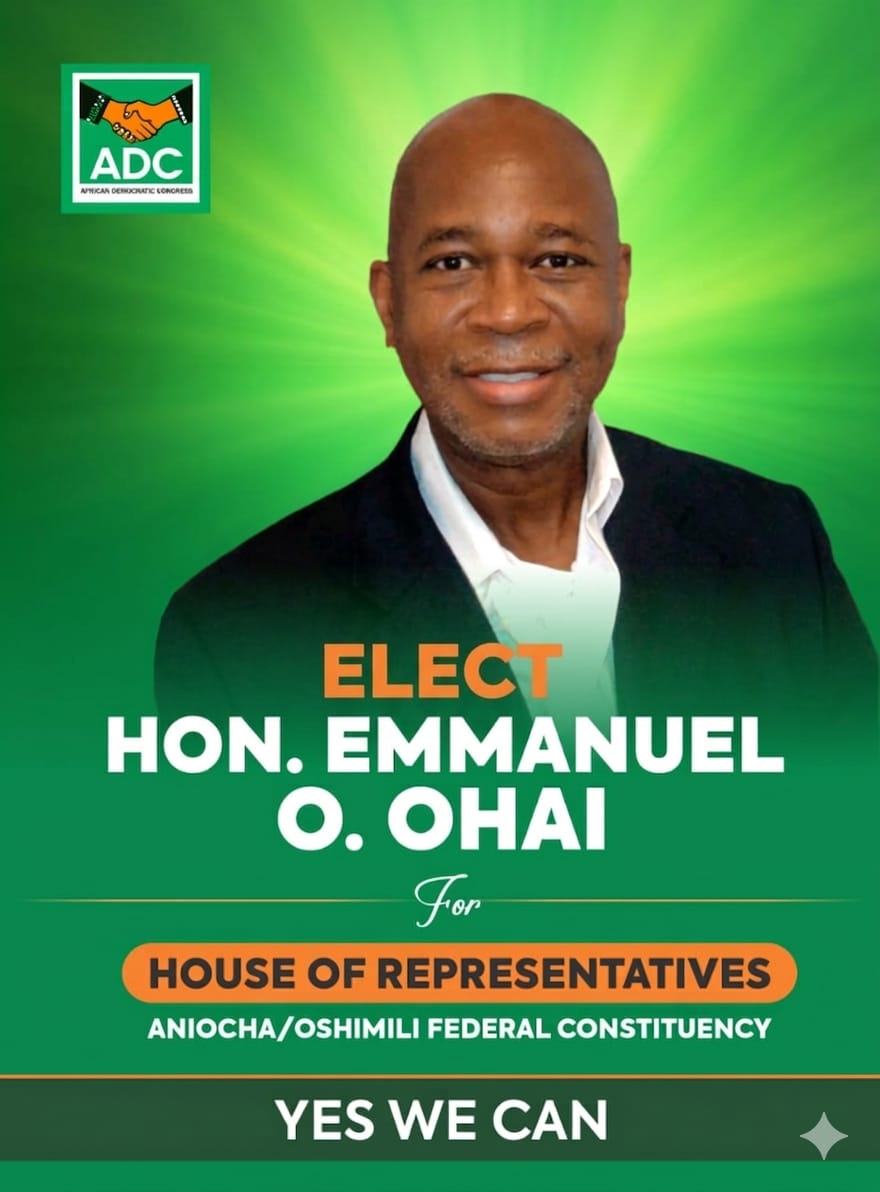
According to the commentary, the consolidation of political authority by the ruling All Progressives Congress has altered the dynamics of electoral competition.

The piece suggests that the opposition’s ability to effectively challenge the government has been reduced due to internal divisions and strategic setbacks.
However, the opinion also contrasts the constitutional role of King Charles III, who serves as a ceremonial monarch with limited political power in the United Kingdom.
In the UK system, executive authority rests with elected officials, while the monarch performs largely symbolic and traditional duties.
Kogbara used this comparison to highlight perceived differences in how power is exercised in both countries.
The commentary also raises broader questions about democratic practice, institutional strength, and political pluralism in Nigeria.
Political analysts note that debates around democratic consolidation in Nigeria often intensify during periods of strong executive influence.
Some observers argue that a dominant ruling party can create stability, while others warn it may weaken democratic checks and balances.
Nigeria’s political system remains a multi-party democracy, although the ruling party currently holds significant control at the federal level.
The opposition, including major parties such as the Peoples Democratic Party, continues to face internal restructuring and leadership disputes.
The article has generated discussion among political commentators and social media users, reflecting differing views on Nigeria’s democratic trajectory.
While some agree with concerns about political dominance, others argue that electoral processes remain competitive and constitutionally guaranteed.
The comparison between presidential authority and monarchy has also sparked debate about political symbolism versus constitutional reality.
As Nigeria approaches future electoral cycles, conversations about governance, accountability, and opposition strength are expected to remain central to public discourse.



 and then