Building stronger glute muscles can improve posture, enhance mobility, and contribute to overall lower-body strength. While genetics and body composition influence appearance, consistent strength training and targeted exercises can help improve muscle tone and definition.
Understanding the Glutes
The gluteal muscles comprising the gluteus maximus, medius, and minimus form the foundation of the buttocks. These muscles are engaged in everyday movements such as walking, climbing stairs, and running. Strength training helps activate and develop them further, contributing to improved shape and function.
Key Exercises for Glute Strength
Squats
Squats are widely regarded as one of the most effective lower-body exercises. They primarily target the glutes while also engaging the thighs and core. Proper form involves lowering the hips as if sitting back into a chair while keeping the chest upright and knees aligned.
Lunges
Lunges strengthen the glutes, thighs, and calves while also improving balance. Variations include forward, backward, and side lunges, each targeting the muscles slightly differently. Maintaining proper knee alignment and posture is essential to avoid strain.

Bridges and Hip Lifts
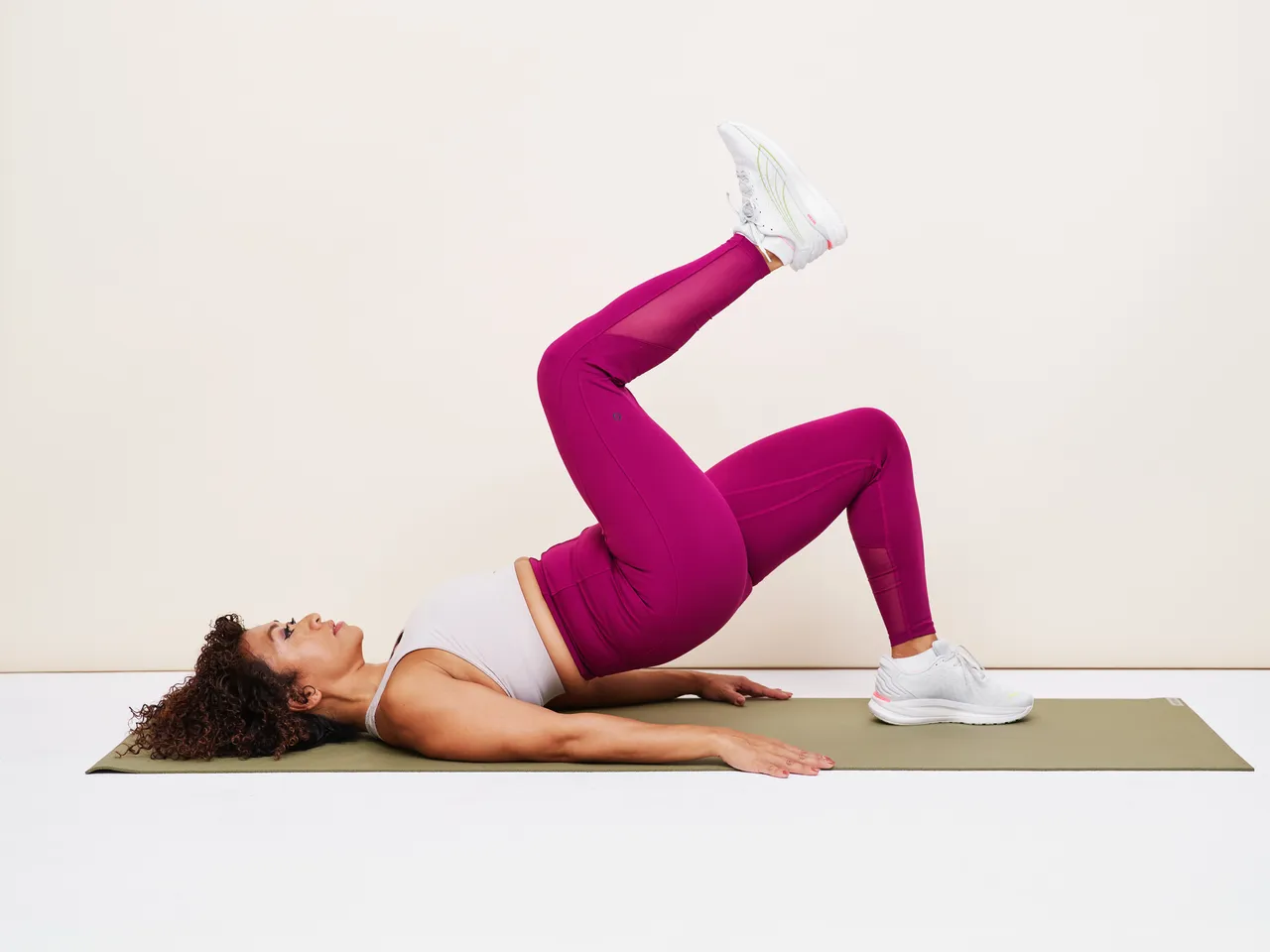
Glute bridges isolate the glute muscles while also engaging the hamstrings and hips. By lifting the hips off the ground from a lying position, this movement helps activate and strengthen the posterior chain.

Leg Raises and Side-Lying Exercises
Side leg raises and similar movements target the smaller glute muscles, including the gluteus medius and minimus, which are important for hip stability and alignment.
Stability Ball Exercises
Exercises performed on a stability ball, such as ball squats or hip lifts, can enhance balance and core engagement while also activating the glutes.
Functional and Dynamic Movements
Exercises like mountain climbers combine cardio with core and lower-body engagement, offering both strength and endurance benefits.
Incorporating Cardio Activity
In addition to strength training, cardiovascular exercises such as walking uphill, cycling, stair climbing, and using elliptical machines can help engage the glutes while supporting overall fitness. Incline walking, in particular, increases glute activation and calorie expenditure.
Training Considerations
Fitness experts note that higher repetitions with moderate resistance can help improve muscle tone, while heavier resistance with lower repetitions may support muscle growth. A balanced routine typically includes both strength training and cardiovascular exercise.
Nutrition also plays a role in body composition. Maintaining a balanced diet and managing calorie intake can influence fat levels and muscle definition in the gluteal region.
Consistent exercise, proper form, and a well-rounded fitness plan are key factors in developing stronger and more defined glute muscles over time.