


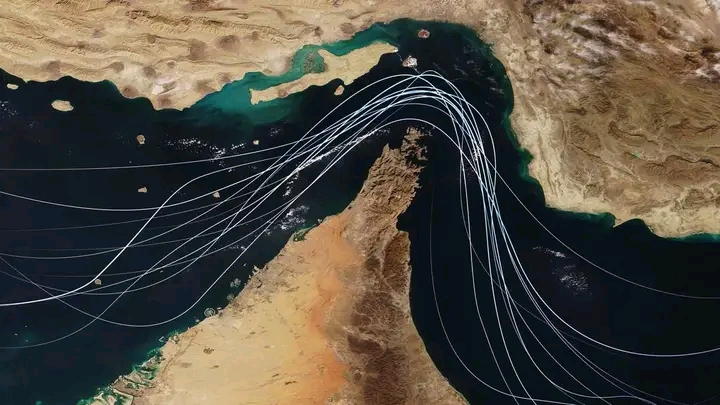
(DDM) – Nigeria joined nearly 40 other countries in an emergency international meeting to address escalating tensions over the strategic Strait of Hormuz, a vital global oil corridor now threatened by conflict in the Middle East.
DDM gathered that the high-level talks were convened under United Kingdom leadership as part of a coordinated global response to Iran’s actions in the waterway.
Countries including the United Kingdom, France, Germany, Italy, Canada, Japan, and the United Arab Emirates participated in the discussions alongside Nigeria and other global partners.
Several of the participating nations jointly signed a statement demanding that Iran halt any attempts to block the strait.

The coalition also pledged to contribute to “appropriate efforts” aimed at ensuring the safe passage of vessels through the critical maritime corridor.

Why the Strait of Hormuz matters
The Strait of Hormuz remains one of the world’s most critical oil transit routes, carrying roughly one-fifth of global supply.
Any disruption to this narrow waterway has immediate consequences for global energy markets, trade flows, and economic stability.
The current crisis stems from escalating tensions involving Iran and its regional and international rivals, raising fears of wider instability.
Iran has been accused of restricting access to the strait, leaving thousands of vessels stranded and disrupting supply chains.
What the countries agreed
During the meeting, participating nations explored diplomatic, economic, and possible security measures to pressure Iran into reopening the route.
The discussions focused on coordinated international action rather than unilateral military intervention.
Some countries signaled readiness to support maritime security operations, including escort missions and post-conflict clearance efforts.
The agreement reflects growing global concern that a prolonged disruption could worsen inflation, strain food supply chains, and deepen economic instability worldwide.
Nigeria’s role and broader implications
Nigeria’s participation highlights rising concern among oil-producing and developing nations over the economic ripple effects of the crisis.
As a major energy exporter, Nigeria could face significant impacts from fluctuations in oil prices and global supply disruptions linked to the strait.
The situation underscores how geopolitical tensions in the Middle East can directly affect African economies and global trade systems.
What happens next
Although no final enforcement plan has been adopted, further meetings, including possible security and military coordination sessions, are expected in the coming days.
Global leaders are weighing a mix of diplomatic pressure, economic measures, and coordinated security responses to restore stability.
The outcome will be critical not only for the Middle East but also for the global economy, as the world watches whether one of its most vital shipping routes can remain open.

