


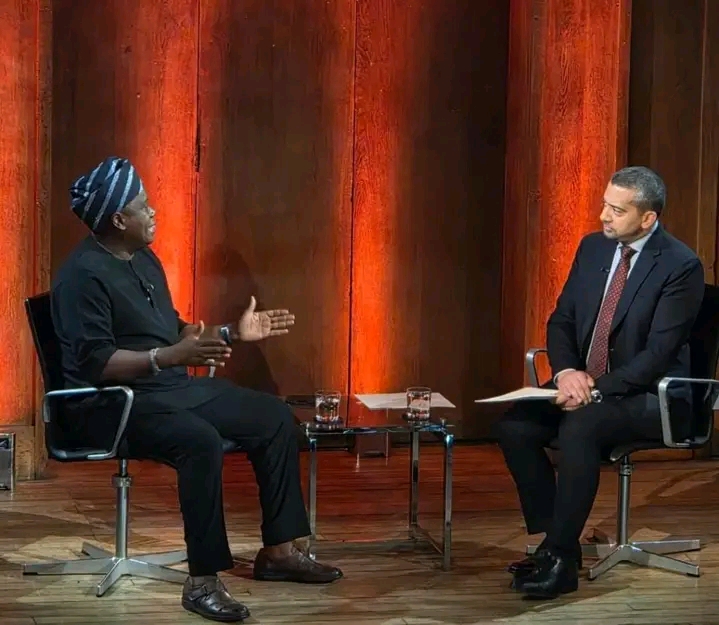
(DDM) – A recent political interview involving Daniel Bwala and renowned journalist Mehdi Hasan has sparked widespread analysis on the art of handling high-pressure media engagements.
Diaspora Digital Media (DDM) reports that communication experts have since dissected the exchange, describing it as a case study in navigating hostile political interviews.
The interview, which quickly gained traction online, showcased a tense back-and-forth between Bwala and Hasan, with both figures maintaining firm positions on contentious political issues.
Analysts observed that the encounter highlighted the challenges public figures face when confronted with probing, often confrontational questioning styles.

According to communication experts, such interviews require a balance of composure, clarity, and strategic messaging.
They noted that Bwala’s responses reflected attempts to defend his viewpoints while managing the pressure of rapid-fire questioning.
Hasan, known for his direct and persistent interviewing style, was said to have maintained control of the conversation by asking pointed and follow-up questions.
Experts explained that one key lesson from the exchange is the importance of staying on message, regardless of the interviewer’s tone.
They emphasised that political figures must avoid being drawn into emotional reactions that could weaken their arguments.
Another major takeaway is the need for preparation, with analysts stressing that understanding likely questions and framing responses in advance is crucial.
They added that clarity and brevity often help speakers maintain credibility in high-stakes interviews.
Observers also pointed out that body language, tone, and confidence play a significant role in shaping audience perception.
They argued that viewers often judge not only the content of responses but also how they are delivered.
The analysis further highlighted the growing influence of digital media, where such interviews quickly go viral and shape public discourse.
In today’s media environment, a single interview can significantly impact political reputation and public opinion.
Experts concluded that mastering the art of the political interview is essential for anyone in public life.
They stressed that handling tough interviews effectively can enhance credibility, while poor performance can have lasting reputational consequences.
As political communication continues to evolve, such high-profile exchanges are expected to remain central to shaping narratives and influencing public perception.

