


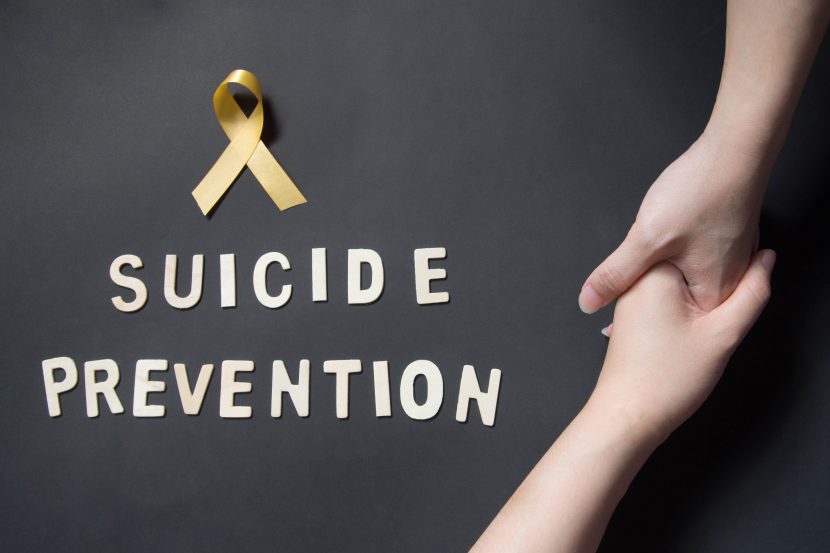
Suicide prevention remains one of the most urgent public health priorities, affecting individuals, families, and communities across all demographics. Mental health professionals emphasize that suicide is often preventable when warning signs are recognized early, resources are accessible, and supportive environments are fostered. Understanding how to respond to someone in crisis can be the difference between life and death.
Understanding the scope of the issue
Suicide is a complex and multifaceted public health challenge requiring coordinated, long-term solutions. While rates have fluctuated in recent years, certain populations remain disproportionately affected, including veterans, LGBTQ+ youth, Indigenous communities, and individuals living with mental health conditions.
Encouragingly, public dialogue around suicide prevention has evolved over the past decade. Advocacy efforts have helped reduce stigma, increase awareness, and expand access to care. As a result, more people are beginning to speak openly about their mental health struggles and seek support without fear of judgment.
Recognizing critical warning signs
Identifying warning signs is a crucial first step in prevention. Although not everyone who displays these behaviors is suicidal, certain patterns should never be ignored.

Individuals in crisis may express feelings of hopelessness, being trapped, or perceiving themselves as a burden. Some may talk about wanting to die or actively search for means to end their life. Behavioral changes can include withdrawing from social activities, increasing substance use, giving away personal belongings, or saying unusual goodbyes.
Mood-related warning signs are equally important. Extreme sadness, anger, or sudden calmness following a period of depression may indicate heightened risk. Changes in sleep patterns such as insomnia or excessive sleeping can also signal distress. Risk-taking behaviors and frequent discussions about death should always be taken seriously.
Starting conversations with compassion
A common misconception is that asking someone about suicidal thoughts might worsen the situation. Mental health experts strongly refute this, noting that direct and empathetic conversations can open the door to lifesaving support.
Approaching someone with care, asking clear questions, and listening without judgment are essential. Dismissing statements such as “others have it worse” or “you’ll be fine” can unintentionally invalidate their experience. Instead, acknowledging their pain, expressing concern, and offering to help them find support fosters trust and connection.
Connecting individuals to professional support
Timely access to professional help is critical. In the United States, the 988 Suicide and Crisis Lifeline provides free, confidential support around the clock via call or text. Trained counselors offer immediate assistance and connect individuals to local services.
Additional resources include Crisis Text Line, which allows individuals to text for support, and specialized services such as The Trevor Project for LGBTQ+ youth and the Veterans Crisis Line. Mental health services are also available through hospitals, community centers, telehealth platforms, and workplace assistance programs.
Building supportive environments
Communities play a central role in prevention efforts. Schools, workplaces, and local organizations can create environments where mental health conversations are normalized and encouraged.
Training initiatives such as Mental Health First Aid equip individuals with the skills to recognize warning signs and respond effectively during crises. Expanding such programs helps build a network of informed and compassionate responders across communities.
Limiting access to lethal means is another proven strategy. Safe storage of medications and firearms can significantly reduce the risk of impulsive actions during moments of crisis.
Supporting long-term mental health care
Effective suicide prevention extends beyond immediate crisis response. Ongoing mental health care including therapy, medication management, and peer support helps individuals address underlying conditions and build resilience.
Efforts to improve access must address affordability, availability, and stigma. Telehealth services have expanded care options, particularly for those in remote areas, while community-based programs and sliding-scale services help reduce financial barriers.
Taking action and staying connected
Everyone has a role to play in suicide prevention. Checking in with loved ones, offering a listening ear, and encouraging professional help can make a profound difference. It is not necessary to have all the answers being present and supportive is often enough to help someone feel less alone.
If you or someone you know is experiencing a mental health crisis, seek immediate help through the 988 Suicide and Crisis Lifeline by calling or texting 988. Support is available 24/7, and reaching out can save a life.




