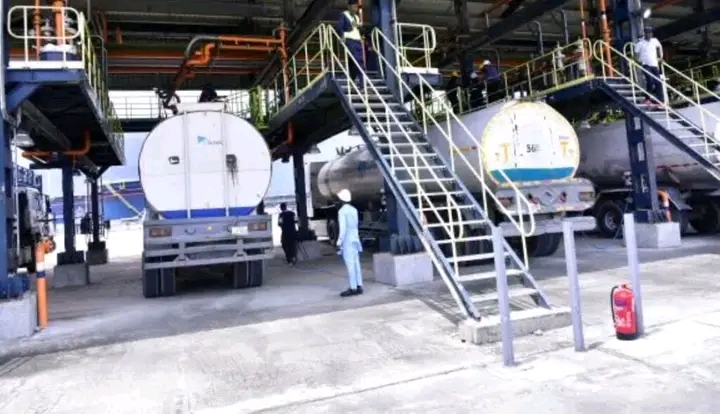
LAGOS — Nigeria’s largest privately owned refinery has increased fuel prices, with petrol now selling at N1,275 per litre and diesel rising sharply to N1,950, intensifying concerns over the cost of living and economic pressures across the country.
The price adjustment was announced by Dangote Refinery, which cited rising volatility in the global oil market and increasing operational costs as key factors behind the decision. The development marks one of the most significant price shifts in recent months within Nigeria’s deregulated downstream petroleum sector.
The new pricing structure is expected to have widespread implications for transportation, food prices, and general consumer goods in Nigeria, where fuel costs play a central role in determining the cost of nearly all economic activities.
Industry analysts say the increase reflects ongoing fluctuations in global crude oil prices, foreign exchange challenges, and supply chain costs, all of which continue to shape fuel pricing in Nigeria following the removal of fuel subsidies.

The Dangote Refinery, which began operations as part of efforts to reduce Nigeria’s reliance on imported refined petroleum products, has been seen as a critical player in stabilizing supply. However, experts note that local refining does not completely shield the market from global price dynamics.
Petrol, also known as Premium Motor Spirit (PMS), is a major driver of Nigeria’s inflation, and any increase typically triggers a ripple effect across sectors. Transport operators are expected to adjust fares, while manufacturers and traders may pass on additional costs to consumers.
Diesel, which is widely used by industries, power generators, and logistics companies, reaching N1,950 per litre could further strain businesses already grappling with high operating expenses and inconsistent power supply.
Economic observers warn that the price hike may worsen inflationary pressures, especially as many Nigerians are still adjusting to previous increases in fuel costs. The development could also impact small businesses and households that rely heavily on fuel for daily operations.
The broader context of the price increase lies in Nigeria’s transition to a fully deregulated petroleum sector, where prices are largely determined by market forces rather than government subsidies. While this policy aims to encourage investment and efficiency, it also exposes consumers to price volatility.
Government officials have maintained that deregulation is necessary for long-term sustainability, arguing that subsidies were financially unsustainable and prone to corruption. However, critics continue to highlight the immediate hardship faced by citizens as prices rise.
Market watchers say the role of the Dangote Refinery will remain crucial in the coming months, particularly in determining supply stability and pricing trends in the domestic market.
As Nigerians brace for the impact of the latest fuel price adjustment, attention is shifting toward possible government interventions, wage adjustments, and broader economic policies aimed at cushioning the effects on citizens.