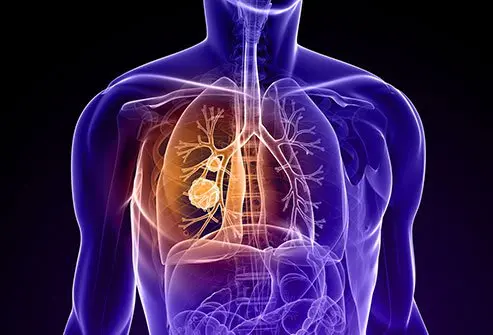
Radiation therapy is a key component in the treatment of Lung Cancer, often used alongside surgery, chemotherapy or targeted therapies. While not every patient requires radiation, it plays a critical role in many treatment plans depending on the cancer’s type, stage and location.
When radiation therapy is used
Doctors may recommend radiation therapy at different stages of lung cancer care. In early-stage disease, it can be part of the initial treatment. In more advanced cases, it is often used to control tumor growth or relieve symptoms when cancer has spread.
A multidisciplinary team including oncologists and surgeons typically evaluates each case to determine the most effective approach.
Before and after surgery
Radiation therapy is sometimes used before surgery to shrink tumors, making them easier to remove and reducing the risk of cancer spreading during the procedure.

After surgery, radiation may be recommended to destroy any remaining cancer cells that were not removed, helping to lower the chances of recurrence.
When surgery is not an option
For patients who cannot undergo surgery due to health conditions or other factors, radiation therapy may serve as the primary treatment. Advanced techniques such as stereotactic body radiation therapy (SBRT) can deliver high doses of radiation with precision, targeting tumors while minimizing damage to surrounding tissue.
Managing advanced disease
In later-stage lung cancer, radiation is often used to relieve symptoms caused by tumors in the lungs or other parts of the body. This approach, known as palliative radiation therapy, can help reduce pain, improve breathing and enhance quality of life.
In certain high-risk cases, preventive radiation to the brain may also be used to reduce the likelihood of cancer spreading there.
Types of radiation therapy
Radiation therapy for lung cancer generally falls into two categories:
External beam radiation therapy (EBRT):
This is the most common method, using a machine to deliver targeted radiation to the tumor. Advanced forms include:
- Intensity-modulated radiation therapy (IMRT): adjusts radiation beams to match the tumor’s shape
- Stereotactic body radiation therapy (SBRT): delivers high-dose radiation with extreme precision over fewer sessions
Internal radiation therapy (brachytherapy):
In select cases, radioactive material is placed inside the body near the tumor. This method is less commonly used for lung cancer but may help relieve airway blockages.
Potential side effects
Like most cancer treatments, radiation therapy can cause side effects, which vary by patient and treatment area. Common effects include:
- Skin irritation similar to a mild burn
- Fatigue
- Cough or throat discomfort
- Shortness of breath
- Nausea or dry mouth
Most side effects are temporary and can be managed with medical support.
A tailored treatment approach
Radiation therapy is not a one-size-fits-all solution. Its use depends on individual factors, including previous treatments and overall health. Doctors work closely with patients to design personalized plans that balance effectiveness with quality of life.
As technology continues to improve, radiation therapy remains a vital tool in lung cancer care helping patients manage the disease and, in many cases, achieve better outcomes.