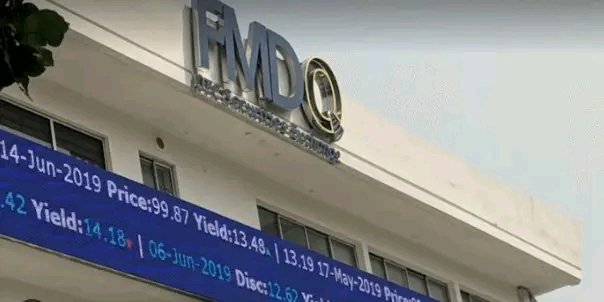
LAGOS, NIGERIA – The FMDQ Exchange has approved the quotation of a N22.68 billion Commercial Paper issuance by Daraju, marking a significant step in the company’s efforts to raise short-term funding for expansion and working capital support within Nigeria’s fast-moving consumer goods sector.
Financial market operators say the approval signals continued investor confidence in corporate debt instruments, even amid tighter liquidity conditions in the broader economy. The issuance is expected to strengthen Daraju’s operational capacity as it scales production, distribution, and market reach across key regions in the country.
The FMDQ Group confirmed the approval through its fixed income platform, noting that the Commercial Paper listing aligns with its mandate to deepen Nigeria’s debt capital market and improve access to short-term financing for corporate issuers.
Market analysts explain that Commercial Papers serve as unsecured, short-term debt instruments typically used by companies to meet immediate funding needs such as inventory expansion, supply chain financing, and operational costs. They added that strong investor demand for such instruments reflects both confidence in issuing firms and the relative attractiveness of fixed-income returns compared to volatile equity markets.

Daraju, a major player in Nigeria’s consumer goods space, intends to deploy the proceeds from the issuance toward boosting working capital and funding expansion projects. Industry observers say this move suggests an aggressive growth strategy aimed at increasing production capacity and strengthening distribution networks across urban and semi-urban markets.
Financial experts note that Nigeria’s FMCG sector continues to face rising operational costs driven by inflation, currency fluctuations, and supply chain constraints. As a result, many companies have increasingly turned to the debt capital market as a flexible alternative to bank loans, which often come with higher interest rates and stricter collateral requirements.
The approval also highlights the growing role of Nigeria’s capital market in supporting real sector growth. Analysts say the Commercial Paper segment has become a critical funding channel for large corporates seeking short-term liquidity without diluting equity ownership.
Investors participating in such instruments are typically institutional players, including asset managers, pension funds, and insurance companies, who seek stable returns within relatively short investment cycles. Market watchers say the N22.68 billion issuance is expected to attract strong subscription levels given Daraju’s market position and sector resilience.
Experts further stress that continued development of Nigeria’s debt capital market will depend on transparency, credit rating integrity, and macroeconomic stability. They argue that stronger regulatory oversight and improved investor protection mechanisms will help sustain confidence in corporate debt instruments.
The approval comes at a time when companies across manufacturing and consumer goods sectors are increasingly exploring alternative financing structures to support expansion plans amid challenging economic conditions.
Market participants say the successful execution of the Daraju Commercial Paper could encourage more mid-sized and large firms to tap into the capital market for short-term funding, further deepening liquidity and activity in Nigeria’s financial system.