


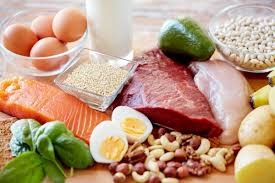
It is possible to eat a balanced diet, take supplements, and still experience fatigue or signs of nutrient deficiency. In many cases, the issue is not what is being consumed, but how the body processes it. Increasingly, health experts point to the digestive system particularly gut health as a critical factor in whether nutrients are effectively absorbed and used.
The role of the gut in nutrient absorption
Most nutrient absorption takes place in the small intestine, where specialized cells transfer vitamins, minerals, and other nutrients into the bloodstream. However, when this process is disrupted, the body may fail to benefit from even the healthiest diet.
Conditions such as celiac disease, inflammatory bowel disease, and chronic digestive issues can interfere with this process. Even in otherwise healthy individuals, factors like prolonged stress, poor diet, or frequent antibiotic use can affect how well the gut functions.
One commonly discussed issue is leaky gut syndrome, where the intestinal lining becomes more permeable than normal. This can reduce the body’s ability to absorb nutrients efficiently while allowing unwanted substances into the bloodstream.

How gut bacteria affect nutrition
The gut is home to trillions of microorganisms collectively known as the microbiome. These bacteria play an essential role in breaking down food, producing certain vitamins, and supporting the absorption of key nutrients.
An imbalance in these microorganisms, known as dysbiosis, can disrupt this process. When beneficial bacteria are reduced, the body may struggle to extract and utilize nutrients, even when dietary intake is adequate.
Restoring balance through fermented foods, fiber-rich diets, and, in some cases, probiotics may help improve nutrient absorption over time.
The importance of a healthy gut lining
A properly functioning intestinal lining acts as a barrier, allowing beneficial nutrients to pass into the bloodstream while blocking harmful substances. When this barrier is compromised, both nutrient absorption and immune function can be affected.
Chronic inflammation, food sensitivities, and poor lifestyle habits can weaken this barrier, leading to reduced nutrient uptake and increased systemic stress on the body.
Supporting better nutrient absorption
Improving absorption often requires focusing on gut health rather than simply increasing nutrient intake. Key strategies include:
- Eating a balanced diet that supports digestive health
- Managing stress, which directly affects digestion
- Ensuring proper hydration and mindful eating habits
- Supporting digestion with adequate chewing and regular meal timing
- Limiting processed foods, alcohol, and unnecessary medications
In some cases, targeted nutrients such as zinc or amino acids may support gut repair, though this should be guided by a healthcare professional.
A shift in perspective
When the digestive system functions properly, the body can efficiently absorb and use nutrients from food. For individuals struggling with persistent deficiencies or low energy despite healthy eating, the focus may need to shift from diet alone to the underlying health of the gut.
Ultimately, better nutrition is not just about what you eat—it is about what your body can absorb and use.




