


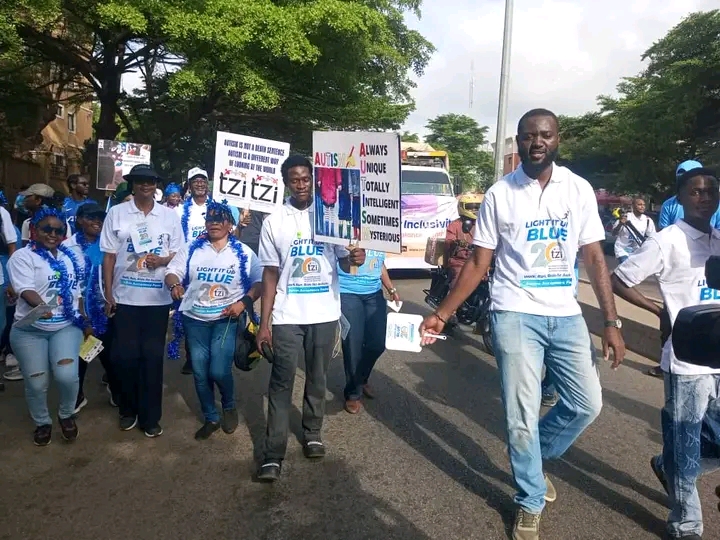
ABUJA, NIGERIA — Autism advocates across Nigeria have called for a shift from basic awareness to full societal acceptance of children living with autism, urging stronger support systems to address the needs of neurodiverse individuals.
The call was made on Saturday, April 25, 2026, during an advocacy forum held in Abuja to mark ongoing efforts toward improving inclusion and support for children on the autism spectrum.
Speakers at the event emphasized that while awareness about Autism Spectrum Disorder has improved in recent years, many families still face stigma, discrimination, and limited access to specialized care and education.
Advocates stressed that acceptance goes beyond recognition, requiring deliberate policies, inclusive education systems, and community-based support that allow neurodiverse children to thrive.

Parents shared personal experiences of challenges in accessing early diagnosis, therapy services, and inclusive schooling, noting that many institutions lack the resources and trained personnel to support children with autism.
Experts highlighted the importance of early intervention, explaining that timely diagnosis and structured support can significantly improve communication, social interaction, and overall development outcomes for children on the spectrum.
They also called for increased government investment in healthcare and education sectors to expand access to affordable therapy, special education programmes, and trained professionals.
Participants at the forum urged policymakers to implement laws and frameworks that protect the rights of neurodiverse individuals, including protection from discrimination and equal access to opportunities.
Advocates further emphasized the need for public education campaigns to challenge misconceptions about autism and promote a more inclusive society that values diversity in all its forms.
Stakeholders noted that cultural beliefs and lack of awareness in some communities continue to hinder acceptance, often leading to isolation of affected children and their families.
The event also underscored the role of schools, religious institutions, and community leaders in fostering inclusive environments where children with autism can learn and participate without stigma.
As discussions continue, advocates reaffirmed their commitment to pushing for systemic change, stressing that building an inclusive society requires collaboration between government, private sector, and civil society.
The renewed call reflects a growing movement in Nigeria aimed at ensuring that neurodiverse children receive the support, respect, and opportunities needed to reach their full potential.




