


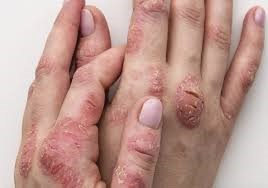
Eczema, medically known as atopic dermatitis, is a widespread skin disorder characterized by dry, inflamed, and intensely itchy patches. While the condition affects millions globally, one of its most distressing symptoms remains persistent itching, which can significantly impact daily life.
Health experts say the urge to scratch is not just uncomfortable it is driven by complex biological processes involving the immune system, skin barrier, and nerve signals.
What Is Eczema?
Eczema is a chronic inflammatory skin condition that often begins in childhood but can persist into adulthood. It typically presents as dry, red, and irritated skin that may become painful or thickened over time.
Although the exact cause is not fully understood, researchers link eczema to a combination of genetic factors and environmental triggers. Individuals with a family history of allergies, asthma, or hay fever are more likely to develop the condition.

Why Does Eczema Itch?
Medical specialists explain that itching in eczema is caused by several overlapping factors:
Inflammation and Immune Response
When eczema flares up, the body’s immune system becomes overactive, triggering inflammation in the skin. This process releases chemical signals that stimulate nerve endings, creating the sensation of itching.
Skin Barrier Damage
People with eczema often have a weakened outer skin layer. This barrier is less effective at retaining moisture, leading to dryness and tiny gaps between skin cells. As a result, irritants can enter more easily, while water escapes a process known as transepidermal water loss.
Chemical Signals in the Skin
Certain substances in the body act as messengers that trigger itching. These chemicals interact with nerve endings in the skin, intensifying the urge to scratch.
Sweating and Environmental Factors
Sweat, temperature changes, and exposure to irritants can worsen itching. For some individuals, symptoms become more severe at night due to increased water loss from the skin.
Common Triggers of Eczema Itching
Environmental and lifestyle factors can provoke flare-ups or worsen itching. These include:
- Harsh soaps, perfumes, and detergents
- Pet dander and dust
- Synthetic or wool clothing
- Sudden temperature changes
- Stress and illness
- Exposure to chemicals or pollution
- Certain foods in sensitive individuals
Identifying personal triggers is key to managing symptoms effectively.
The Itch-Scratch Cycle
Doctors warn of a self-perpetuating pattern known as the itch-scratch cycle. When a person scratches itchy skin, it triggers further inflammation, which leads to even more itching.
Over time, repeated scratching can cause:
- Skin thickening and hardening (lichenification)
- Discoloration of affected areas
- Open wounds and bleeding
- Increased risk of infection
- Permanent scarring in severe cases
Breaking this cycle is a major focus of eczema treatment.
Managing and Preventing Itching
While there is no permanent cure for eczema, several strategies can help control itching and prevent flare-ups:
- Keeping the skin moisturized to restore the protective barrier
- Avoiding known triggers
- Using prescribed topical treatments or medications
- Practicing stress management techniques
- Wearing soft, breathable fabrics
In more severe cases, doctors may recommend specialized therapies to reduce inflammation and control symptoms.
When to Seek Medical Advice
Although eczema is common, medical attention is recommended if symptoms become severe, persistent, or lead to infection. Warning signs include intense pain, oozing skin, or worsening redness.
Healthcare providers can help identify triggers, recommend appropriate treatments, and develop a long-term management plan.
Key Takeaway
Eczema-related itching is driven by a combination of inflammation, skin barrier damage, and environmental triggers. While the urge to scratch can be overwhelming, proper care and early intervention can help manage symptoms and prevent complications.
Experts advise that understanding the condition and responding promptly to flare-ups is essential for maintaining healthy skin and improving quality of life.




