


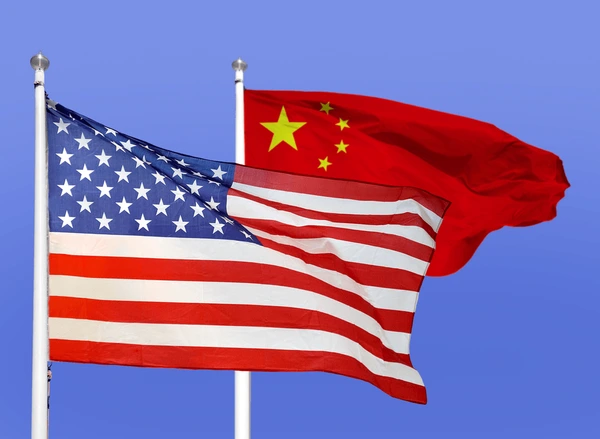
A new rift is opening between the United States and China, this time over sanctions targeting Chinese oil refineries accused of processing Iranian crude.
The dispute intensified after Washington sanctioned five refineries it claims are helping Iran bypass restrictions a
nd generate revenue from its oil exports.
But Beijing has pushed back hard, telling companies under its jurisdiction to ignore the measures.

In a rare move, China’s Ministry of Commerce activated its 2021 “Blocking Rules” a legal tool designed to shield local businesses from foreign sanctions it considers overreaching.
The response puts companies in a difficult spot.
Firms that comply with US sanctions could face penalties in China, while those that follow Beijing’s directive risk being cut off from the US financial system.
Among the refineries caught in the middle is Hengli Petrochemical’s major facility in Dalian, alongside several smaller independent processors often referred to as “teapot” refineries.
These operators have become key buyers of discounted Iranian crude, especially as Tehran looks for ways around Western restrictions.
China insists the US action violates international law and interferes in its internal affairs.
It has also instructed domestic firms to continue doing business with the affected refineries, despite the potential fallout.
Analysts warn the standoff could ripple beyond politics into global markets.
Any expansion of US sanctions especially if Chinese banks are targeted could disrupt payment systems used in oil trading and tighten already fragile energy supply chains.
The timing adds another layer of tension, coming just weeks before a planned meeting between Donald Trump and Xi Jinping.
With both sides digging in, the clash highlights a growing divide in how global sanctions are enforced and the increasing risks for businesses caught between two economic superpowers.




