


Nigeria’s political environment is witnessing another wave of major realignments as prominent lawmakers and influential party figures continue to abandon both the ruling All Progressives Congress and the opposition Peoples Democratic Party amid intensifying preparations for the 2027 general elections.
The growing movement across party lines is rapidly altering political calculations within the National Assembly and across several states, with emerging opposition coalitions now attracting politicians seeking new platforms ahead of the next electoral cycle.
The latest defections involve senators, members of the House of Representatives, party stakeholders, and grassroots mobilisers who cited internal crises, leadership disagreements, unresolved legal disputes, and dissatisfaction with party structures as reasons for their decisions to leave their former political parties.

Among the most significant developments is the resignation of Senator Abdul Ahmed Ningi from the Peoples Democratic Party after decades of political association with the opposition platform.
The Bauchi Central senator, widely regarded as one of the most experienced lawmakers in northern Nigeria, reportedly communicated his resignation through a formal letter submitted to party leaders at the ward level.
According to political sources, the former Senate leader explained that his departure followed extensive consultations with political associates, supporters, and stakeholders within his constituency.
Observers believe the decision represents a major setback for the PDP in Bauchi State and the wider North East region, where the party has historically maintained considerable influence.
Ningi’s exit has fueled speculation that he may formally align with the African Democratic Congress as opposition groups intensify efforts to build a broader coalition capable of challenging dominant political structures in 2027.
In Kaduna State, Senator Ibrahim Khalid Mustapha also announced his resignation from the PDP, citing persistent internal conflicts and unresolved leadership struggles within the opposition party.
The senator reportedly expressed disappointment over the prolonged instability affecting the PDP and subsequently aligned with the ADC, further strengthening the perception that the party is becoming a destination for politicians seeking alternative opposition alliances.
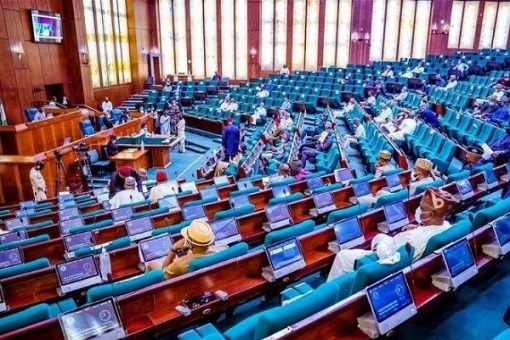
The House of Representatives has equally experienced significant political changes in recent weeks.
One of the most discussed defections involved Mohammed Bello El Rufai, member representing Kaduna North Federal Constituency and son of former Kaduna State governor Nasir El-Rufai.
The lawmaker reportedly resigned from the APC after consultations with political allies and mentors, adding another high profile departure to the ruling party’s growing list of recent losses.
Political analysts believe the development could further deepen concerns within the APC over internal dissatisfaction among younger political actors and emerging power blocs.
Other lawmakers who recently switched political allegiance include Umar Ajilo and Suleiman Richifa, who reportedly moved from the PDP to the ADC, while Chinedu Obika and Esosa Iyawe aligned with the Nigeria Democratic Congress.
Obika’s defection attracted particular attention because he had only recently joined the APC from the Labour Party before deciding to leave again over alleged dissatisfaction with the internal structure of the ruling party in the Federal Capital Territory.
Similarly, Esosa Iyawe reportedly abandoned the APC shortly after obtaining nomination forms, citing unresolved political disagreements involving influential figures within the Edo State political structure.
The ongoing movement of politicians across party lines has intensified concerns regarding the future stability of Nigeria’s major political parties ahead of the next election season.
Inside the National Assembly, lawmakers have continued to announce defections during plenary sessions, reflecting the rapidly changing balance of political loyalty within the legislature.
Political observers say the repeated defections reveal growing uncertainty among elected officials seeking stronger political platforms and strategic alliances capable of securing electoral relevance in 2027.
The latest developments have also increased pressure on party leaders struggling to maintain internal unity and prevent further exits.
Former Senate President David Mark, who currently plays a leading role within the ADC, recently convened a strategic meeting with former lawmakers and party stakeholders amid concerns over ongoing political movements.
Although details of the meeting were not officially disclosed, analysts believe discussions focused on strengthening internal party cohesion and consolidating support ahead of expected coalition negotiations.
The emerging political realignments have also renewed public attention on influential opposition figures such as Peter Obi, whose political direction and alliances continue to shape conversations surrounding the future of opposition politics in Nigeria.
Analysts believe several politicians are now repositioning themselves early in anticipation of major coalition agreements expected before the 2027 presidential contest officially begins.
The defections have generated mixed reactions among Nigerians.
Some political commentators described the developments as evidence of weak ideological commitment within Nigeria’s party system, arguing that many politicians move primarily for strategic advantage rather than policy differences.
Others insisted that politicians reserve the constitutional right to leave parties experiencing internal instability or leadership disputes that may threaten their political future.
Civil society observers have also expressed concern over the growing culture of defections, warning that constant political migration weakens voter confidence and undermines party discipline in Nigeria’s democratic process.
Despite the criticism, consultations and negotiations among political actors continue to intensify behind closed doors as parties prepare for what is expected to become one of the most competitive political seasons in recent Nigerian history.
With more lawmakers and influential stakeholders reportedly considering fresh alliances, analysts believe the country may witness even deeper political restructuring before campaigns for the 2027 elections fully commence.




