



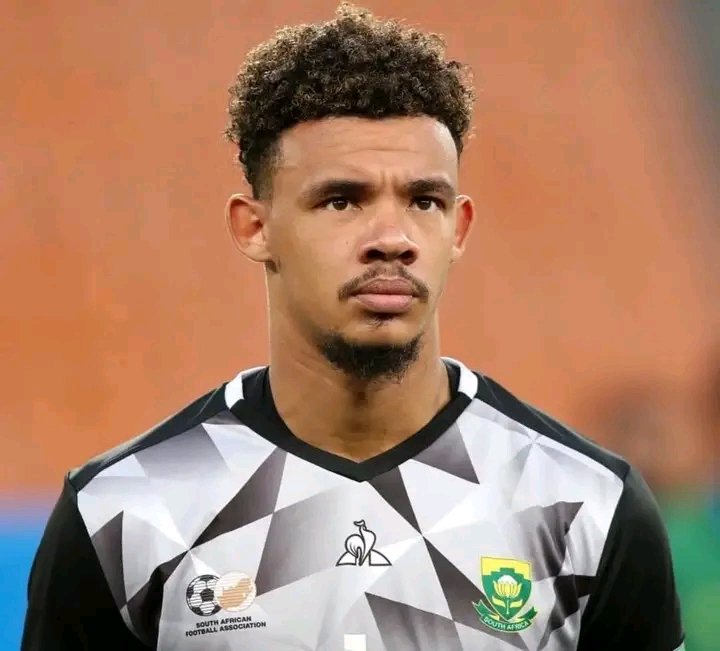
The captain of South Africa’s national football team has called for stronger unity among African nations, delivering a passionate appeal urging players, supporters, and officials to keep politics away from football and allow political leaders to handle governance issues.
His comments emerged during the FIFA World Cup 2026, a tournament that has once again placed African football under the global spotlight. As teams from the continent compete on football’s biggest stage, conversations around identity, solidarity, and representation have grown alongside the action on the pitch.
Speaking after a World Cup fixture, the South African skipper emphasized that football should remain a space of unity rather than division. He noted that the sport has the rare ability to bring together people from different nations, cultures, and backgrounds, particularly across Africa, where shared experiences often outweigh differences.
He stressed that while political discourse plays an important role in national development, it should not be mixed with sporting responsibilities. According to him, players carry the duty of representing their countries with discipline and pride, while political matters must be left to elected leaders and governing institutions.

The captain highlighted that African football has made significant progress in recent decades, with more players competing in top international leagues and national teams becoming increasingly competitive at global tournaments. However, he warned that progress could be undermined if divisions, distractions, or political tensions are allowed to overshadow the sport.
He called on African teams at the World Cup to adopt a spirit of mutual support, encouraging fans and players alike to celebrate each other’s achievements rather than allowing rivalry to weaken continental solidarity. In his view, every success recorded by an African nation on the global stage should be seen as a collective victory for the continent.
The message comes at a time when African teams have shown mixed but promising performances at the 2026 tournament. Several sides have impressed with tactical discipline and individual brilliance, while others continue to develop consistency at elite level competition. Despite these differences, the captain believes the continent shares a common responsibility to grow stronger together.
He also reflected on the role of footballers as more than just athletes. In his view, players are ambassadors of their nations and, in many cases, representatives of the entire continent. This status, he said, comes with responsibility, especially when speaking in public or engaging in issues that extend beyond sport.
The skipper pointed out that African football still faces structural challenges, including infrastructure gaps, governance concerns, and external perceptions that often underestimate the continent’s potential. He argued that unity among African nations could help address some of these challenges by strengthening collaboration and shared development goals.
He further explained that introducing political tensions into football environments only increases pressure on players who are already dealing with the demands of international competition. According to him, the focus on performance, strategy, and teamwork should remain the priority throughout the tournament.
Observers have noted that African football continues to rise in global influence, with increasing numbers of players starring in major European clubs and more national teams qualifying regularly for World Cups. However, the captain believes that sustained progress will depend not only on talent but also on unity and collective purpose.
He encouraged supporters across Africa to adopt a broader perspective when following the tournament, suggesting that rivalries between African nations should remain on the pitch and not extend into social or political hostility. For him, the World Cup should serve as a celebration of African excellence rather than a platform for division.
The South African skipper reiterated that unity does not mean eliminating national identity or competition. Instead, it means recognizing shared goals and respecting the common journey of African football on the global stage. He described African unity in football as a form of strength that can elevate the continent’s voice internationally.
He concluded by describing football as a universal language capable of bridging divides that often appear difficult to overcome in other areas of life. In his words, the game provides a unique opportunity for Africa to present a united identity to the world, even in the midst of intense competition.
As the World Cup 2026 progresses, his statement adds to a growing conversation about the intersection of sport, identity, and diplomacy. It highlights the increasing awareness among African football leaders of their role not only in competition but also in shaping narratives about the continent.
For many observers, the captain’s message serves as a reminder that while football is driven by rivalry and national pride, it also holds the power to unite millions across borders. In a tournament defined by pressure and ambition, his call for unity reinforces the idea that African football’s greatest strength may lie in its ability to stand together, even while competing against one another.




