


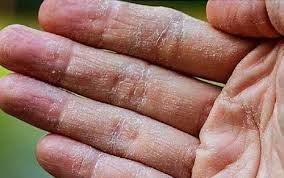
Peeling skin on the hands is a common problem that can be both uncomfortable and concerning. While many people assume dry skin is to blame, persistent peeling often signals an underlying issue affecting the skin’s protective barrier. From environmental irritants to chronic medical conditions, a variety of factors can contribute to the problem.
Understanding the cause is the first step toward effective treatment and long-term relief.
Contact Dermatitis: A Common Trigger
One of the leading causes of hand peeling is contact dermatitis, a condition that develops when the skin reacts to irritants or allergens.
Frequent exposure to cleaning products, soaps, detergents, hand sanitizers, and industrial chemicals can damage the skin’s natural barrier, leading to dryness, inflammation, and peeling. Allergic reactions to substances such as latex, fragrances, preservatives, or metals like nickel can produce similar symptoms.

People working in healthcare, food service, cleaning, and manufacturing industries may face a higher risk because of repeated exposure to irritants throughout the day.
Chronic Hand Eczema
Hand eczema is a long-term inflammatory skin condition that often causes redness, itching, cracking, and peeling.
Some forms, such as dyshidrotic eczema, produce small fluid-filled blisters that eventually dry out and peel. Others may appear as dry, scaly patches that flare up in response to stress, weather changes, or environmental triggers.
Without proper management, symptoms may recur frequently and interfere with daily activities.
Fungal Infections
Although fungal infections are more commonly associated with the feet, they can also affect the hands.
Conditions such as tinea manuum can cause scaling, peeling, and irritation, often beginning on one hand before spreading. Fungal infections may resemble eczema or dry skin, making professional diagnosis important.
Prompt treatment with appropriate antifungal medications can help prevent the infection from worsening or spreading.
Autoimmune Skin Disorders
Several autoimmune conditions can cause peeling skin on the hands.
Psoriasis, for example, often produces thick, scaly patches that flake and peel. Other autoimmune diseases, including lupus and dermatomyositis, may also affect skin health and trigger persistent hand symptoms.
Because these conditions involve the immune system, treatment typically focuses on managing inflammation and controlling disease activity.
Nutritional Deficiencies
Healthy skin depends on a steady supply of essential nutrients.
Deficiencies in vitamins A, C, and E, as well as minerals such as zinc and iron, can affect skin repair and barrier function. Low protein intake and inadequate levels of essential fatty acids may also contribute to dryness and peeling.
In some cases, improving nutrition can play an important role in restoring skin health.
Medication Side Effects
Certain medications may trigger skin peeling as a side effect.
Some antibiotics, blood pressure medications, and chemotherapy drugs have been linked to skin reactions affecting the hands. New symptoms that appear after starting a medication should be discussed with a healthcare provider.
Never stop prescribed medication without medical advice.
Environmental Damage
Daily exposure to environmental stressors can gradually weaken the skin.
Cold weather, low humidity, excessive sun exposure, and frequent contact with water can all strip away natural oils. Repeated hand washing, while essential for hygiene, may also contribute to dryness and irritation if protective measures are not taken.
Using gentle cleansers and applying moisturizer regularly can help reduce environmental damage.
Diabetes and Other Medical Conditions
Peeling hands may sometimes be linked to underlying health conditions.
Diabetes can affect circulation, skin hydration, and wound healing, making the skin more vulnerable to damage. Thyroid disorders, kidney disease, liver disease, and circulatory problems may also contribute to persistent skin changes.
When hand peeling occurs alongside other symptoms, medical evaluation is recommended.
Why Professional Evaluation Matters
Because hand peeling can have many different causes, treatment should target the underlying problem rather than simply addressing surface symptoms. What works for eczema may not help a fungal infection, and nutritional deficiencies require a different approach than allergic reactions.
Persistent, worsening, or painful peeling should be evaluated by a healthcare professional to determine the exact cause and recommend appropriate treatment.
Taking Steps Toward Healthier Skin
Maintaining healthy hands often involves a combination of skin protection, proper hydration, trigger avoidance, and treatment of any underlying medical conditions. Paying attention to new symptoms and seeking professional advice when necessary can help prevent complications and support long-term skin health.




