


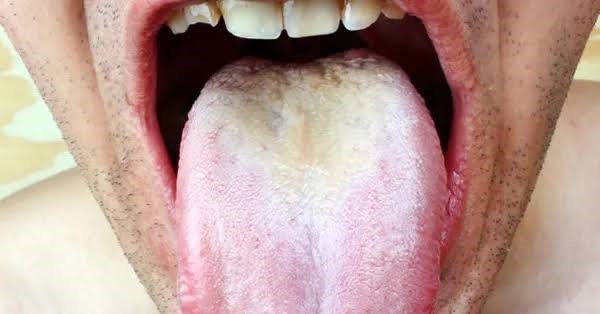
Your tongue does more than help you speak, chew, and taste food. Health experts say its color, texture, and appearance can also provide important clues about your overall health. While temporary changes are often harmless, persistent abnormalities may signal an underlying condition that requires medical attention.
Here are some common tongue changes and what they may indicate.
Pink Tongue
A healthy tongue is typically light pink with a thin white coating. This usually indicates good oral hygiene and normal blood circulation.
White Tongue
A white coating on the tongue may occur when bacteria, food particles, and dead cells become trapped between enlarged taste buds. It can also be associated with poor oral hygiene, dehydration, smoking, or oral yeast infections.

If white patches do not disappear or become painful, a healthcare professional or dentist should evaluate them.
Bright Red Tongue
A bright red tongue may be linked to vitamin B12 or folate deficiency. In some cases, it can also occur with certain infections or inflammatory conditions.
Persistent redness should be assessed, especially if it is accompanied by pain or swelling.
Yellow Tongue
A yellow tongue is often caused by a buildup of bacteria or dead skin cells. Smoking, poor oral hygiene, and dry mouth can also contribute to the discoloration.
Improving oral hygiene usually helps, but persistent yellowing may require medical advice.
Black, Hairy Tongue
Despite its alarming appearance, a black, hairy tongue is usually harmless. It develops when the tiny projections on the tongue become elongated and trap bacteria, food, or tobacco residue.
This condition is more common in people who smoke, have poor oral hygiene, or take certain antibiotics.
Purple or Blue Tongue
A purple or blue tongue may indicate poor blood circulation or low oxygen levels in the blood. Because this can be associated with serious heart or lung conditions, immediate medical attention is recommended if it occurs suddenly or is accompanied by difficulty breathing.
Smooth Tongue
A tongue that appears unusually smooth may result from the loss of tiny surface bumps known as papillae. This change can be associated with iron deficiency, vitamin B12 deficiency, or other nutritional problems.
Cracked or Fissured Tongue
Deep grooves or cracks on the tongue are often harmless and may become more common with age. However, if the cracks are painful or become infected, medical advice should be sought.
How to Keep Your Tongue Healthy
Experts recommend brushing the tongue daily, drinking enough water, avoiding tobacco products, limiting alcohol intake, and maintaining good oral hygiene. Regular dental check-ups can also help detect oral health problems early.
When to See a Doctor
Changes in tongue color or texture that persist for more than two weeks, or are accompanied by pain, swelling, difficulty swallowing, or unexplained sores, should be evaluated by a healthcare professional.
Although the tongue can provide useful clues about health, it cannot diagnose a disease on its own. A proper medical assessment is necessary to determine the underlying cause of any persistent changes.
Disclaimer: This article is for informational purposes only and should not replace professional medical advice. Anyone with ongoing tongue changes or other concerning symptoms should consult a qualified healthcare provider for proper evaluation and treatment.




