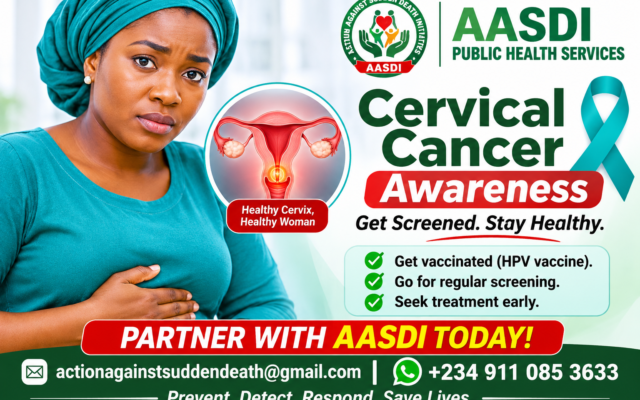
Vaginal health is an important part of overall well-being, yet it is often misunderstood or overlooked. The vagina is naturally self-cleaning and maintains a delicate balance of bacteria and yeast that helps prevent infections.
Health experts say maintaining good vaginal health does not require harsh cleaning products, but rather simple daily habits that support the body’s natural balance.
Understanding Normal Vaginal Health
A healthy vagina typically has a slightly acidic environment, which helps protect against harmful bacteria.
Normal vaginal changes may include:
- Clear or white discharge.
- Mild odour that is not unpleasant.
- Changes in discharge consistency during the menstrual cycle.
These variations are usually normal and depend on hormonal changes.
Keep the Area Clean and Simple
Proper hygiene is important, but over-cleaning can cause more harm than good.
Health experts recommend:
- Washing the external genital area (vulva) with clean water.
- Using mild, unscented soap if needed.
- Avoiding internal washing or douching.
The vagina naturally cleans itself internally, so internal cleansing is unnecessary.
Wear Breathable Clothing
Clothing choices can affect vaginal health.
To reduce moisture buildup and irritation:
- Wear cotton underwear that allows airflow.
- Avoid tight-fitting underwear or trousers for long periods.
- Change out of sweaty clothes or wet swimwear promptly.
A dry environment helps reduce the risk of infections.
Practice Safe Sexual Habits
Sexual activity can affect vaginal balance.
Health experts advise:
- Using condoms to reduce the risk of sexually transmitted infections (STIs).
- Urinating after intercourse to help flush out bacteria.
- Maintaining open communication with partners about sexual health.
Regular STI screening may also be recommended for sexually active women.
Avoid Harmful Products
Some products can disrupt the natural balance of bacteria in the vagina.
Avoid or limit:
- Douching products.
- Scented soaps, sprays, and wipes.
- Strong antiseptics inside the vagina.
- Overuse of vaginal cleansing products.
These can irritate tissues and increase infection risk.
Maintain a Healthy Diet and Lifestyle
Overall health also influences vaginal health.
Helpful habits include:
- Eating a balanced diet rich in fruits, vegetables, and probiotics.
- Drinking enough water.
- Managing stress levels.
- Getting adequate sleep.
A healthy immune system helps the body fight infections naturally.
Pay Attention to Changes
Women should monitor for signs that may indicate infection or imbalance, such as:
- Unusual discharge (colour, smell, or consistency).
- Persistent itching or irritation.
- Pain during urination or sex.
- Strong or unpleasant odour.
- Bleeding between periods.
Early attention can prevent complications.
When to See a Doctor
Medical advice should be sought if:
- Symptoms persist for more than a few days.
- Infections keep returning.
- There is pain, swelling, or abnormal bleeding.
- You suspect a sexually transmitted infection.
A healthcare professional can provide accurate diagnosis and treatment.
The Bottom Line
Good vaginal health is supported by simple habits such as gentle hygiene, breathable clothing, safe sexual practices, and avoiding harsh products. Since the vagina is naturally self-cleaning, maintaining balance rather than over-cleaning is key. Paying attention to changes and seeking medical care when needed helps prevent infections and supports long-term reproductive health.
Disclaimer: This article is for informational purposes only and should not replace professional medical advice. Women experiencing persistent vaginal symptoms should consult a qualified healthcare professional for proper evaluation and treatment.