


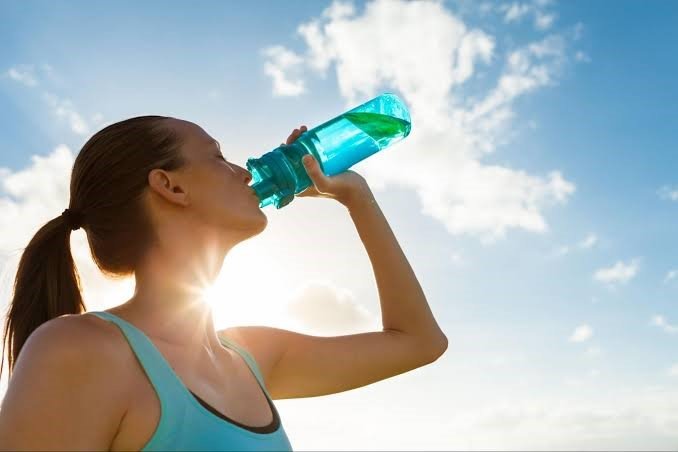
Health experts are urging Nigerians to drink enough water during periods of hot weather, warning that inadequate fluid intake can increase the risk of dehydration, heat exhaustion, and other heat-related illnesses.
According to medical professionals, the body loses water continuously through sweating, breathing, and urination. During hot weather or periods of intense physical activity, these fluid losses increase significantly, making it essential to replace them by drinking adequate amounts of water throughout the day.
Doctors explain that dehydration occurs when the body loses more fluids than it takes in, affecting its ability to regulate temperature and perform essential functions. If left untreated, dehydration can progress to more serious conditions such as heat exhaustion or heatstroke, both of which require prompt medical attention.
Health experts say early signs of dehydration include excessive thirst, dry mouth, dark-coloured urine, reduced urination, dizziness, headache, fatigue, and muscle cramps. As dehydration becomes more severe, individuals may experience confusion, rapid heartbeat, fainting, or difficulty staying awake.

Medical professionals note that certain groups are more vulnerable to heat-related illnesses, including infants, young children, older adults, pregnant women, outdoor workers, athletes, and people living with chronic medical conditions such as diabetes or heart disease.
Doctors recommend drinking water regularly, even before feeling thirsty, as thirst may not always be an early indicator of dehydration. Individuals engaging in outdoor work or exercise should increase their fluid intake and take regular breaks in shaded or cool environments.
Experts also advise wearing lightweight, loose-fitting clothing, avoiding strenuous outdoor activities during the hottest hours of the day, and seeking shelter in well-ventilated or air-conditioned spaces whenever possible. These simple measures can help reduce the body’s exposure to excessive heat.
Health professionals encourage people who experience vomiting or diarrhoea during hot weather to replace lost fluids promptly. Oral rehydration solution may be recommended in such situations to restore both fluids and essential electrolytes. Anyone unable to keep fluids down or showing signs of severe dehydration should seek immediate medical care.
Doctors caution that sugary drinks, energy drinks, and excessive amounts of alcohol or caffeine should not be relied upon as primary sources of hydration, as some of these beverages may contribute to fluid loss or provide unnecessary amounts of sugar.
Medical experts conclude that staying well hydrated is one of the most effective ways to prevent heat-related illnesses. They encourage Nigerians to make water their preferred beverage during hot weather, remain alert to the signs of dehydration, and seek prompt medical attention if symptoms worsen or do not improve.




