


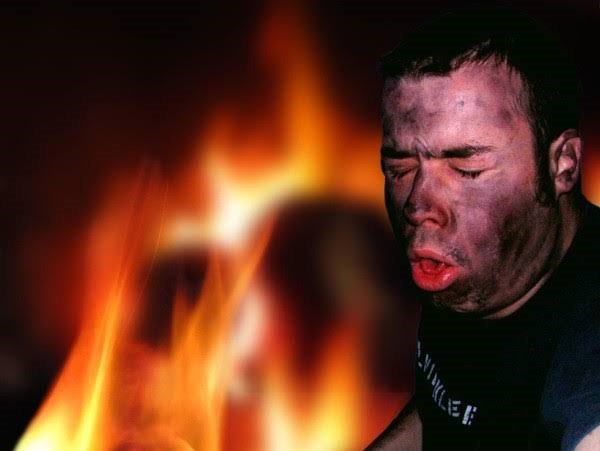
Health experts are warning the public that smoke inhalation during house fires can be just as dangerous as burns, emphasizing that breathing in toxic smoke is one of the leading causes of death and serious injury in residential fires. According to medical professionals, many fire-related fatalities occur not because of direct contact with flames, but because victims inhale poisonous gases and oxygen levels rapidly decrease inside smoke-filled buildings. They stress that anyone exposed to smoke during a fire should seek immediate medical evaluation, even if they appear to have escaped without visible injuries.
Doctors explain that smoke produced during a house fire contains a dangerous mixture of toxic gases, fine particles, and chemicals released from burning furniture, plastics, electrical wiring, clothing, paint, and other household materials. These substances can damage the airways and lungs while also reducing the body’s ability to transport oxygen to vital organs. One of the most dangerous gases released during fires is carbon monoxide, which is colorless, odorless, and capable of causing severe poisoning within a short period.
According to emergency medicine specialists, smoke inhalation can affect both the respiratory and cardiovascular systems. When smoke enters the lungs, it irritates and inflames the airways, making breathing increasingly difficult. At the same time, carbon monoxide binds to red blood cells much more readily than oxygen, preventing oxygen from reaching the brain, heart, and other organs. In enclosed spaces, oxygen levels may also fall rapidly, increasing the risk of unconsciousness and death.
Medical professionals explain that symptoms of smoke inhalation may vary depending on the duration of exposure and the concentration of toxic gases. Early warning signs include persistent coughing, sore throat, hoarseness, difficulty breathing, chest tightness, wheezing, headaches, dizziness, nausea, vomiting, confusion, and excessive fatigue. Individuals may also notice black or gray soot around the nose or mouth or cough up dark-colored mucus. In more severe cases, victims may become disoriented, lose consciousness, or suffer cardiac arrest due to inadequate oxygen supply.

Doctors emphasize that anyone who has inhaled smoke should leave the affected building immediately and move to an area with fresh air if it is safe to do so. Once outside, emergency medical services should be contacted without delay. Individuals who have difficulty breathing, experience persistent coughing, chest pain, confusion, or loss of consciousness require urgent hospital treatment. Healthcare providers may administer oxygen therapy, monitor carbon monoxide levels, perform chest imaging, and provide additional treatment depending on the severity of the injury.
Health experts caution that symptoms of smoke inhalation do not always appear immediately. Some individuals may initially feel well but develop breathing difficulties or airway swelling several hours after exposure. For this reason, medical evaluation is recommended even if symptoms appear mild following a significant fire.
Doctors strongly advise against re-entering a burning or smoke-filled building to retrieve personal belongings. They note that toxic smoke can overwhelm a person within minutes, and structural damage caused by fire may increase the risk of collapse. Once safely outside, individuals should remain at a safe distance and allow trained firefighters to manage the emergency.
Medical professionals stress that prevention remains the most effective strategy for reducing fire-related injuries and deaths. They recommend installing smoke detectors on every level of the home and testing them regularly to ensure they function properly. Smoke alarm batteries should be replaced as recommended by the manufacturer, and faulty alarms should be replaced immediately.
Experts also encourage families to develop and practice a home fire escape plan, ensuring that every household member knows at least two safe exits from each room whenever possible. Cooking should never be left unattended, electrical wiring should be inspected regularly, overloaded power outlets should be avoided, and flammable materials should be kept away from heat sources. Homes should also be equipped with appropriate fire extinguishers, and occupants should understand how to use them safely.
Medical professionals conclude that smoke inhalation is a silent but potentially deadly consequence of house fires that should never be underestimated. They emphasize that early evacuation, prompt emergency medical care, and effective fire prevention measures can save lives. By maintaining working smoke alarms, practicing fire safety, and seeking immediate treatment after smoke exposure, families can significantly reduce the devastating health effects associated with residential fires.




