
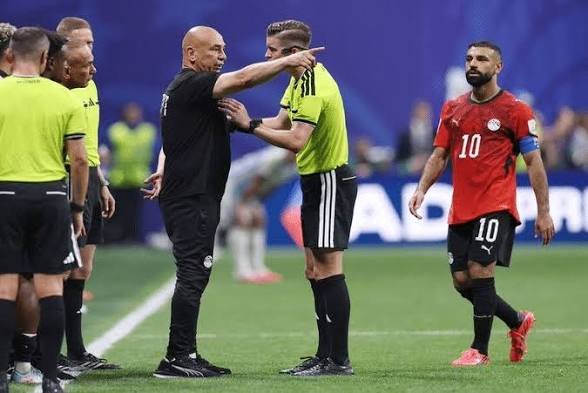
Egypt’s remarkable FIFA World Cup journey came to a heartbreaking end after a dramatic 3-2 defeat to Argentina in the Round of 16, but the post-match discussion quickly shifted from the quality of the contest to controversial officiating decisions that left Pharaohs head coach Hossam Hassan feeling deeply frustrated.
The Egyptian manager did not hide his disappointment after the final whistle, insisting his players had been denied a fair outcome in a match they were capable of winning. While acknowledging Argentina’s quality and fighting spirit, Hassan maintained that several crucial decisions during the encounter worked against his team at decisive moments.
The five-goal thriller lived up to expectations as two of the tournament’s most determined sides battled for a place in the quarter-finals. Egypt entered the knockout clash full of confidence after progressing from a difficult group and overcoming Australia in a tense penalty shootout during the Round of 32. Argentina, meanwhile, had edged Cape Verde in another entertaining contest to book their place in the last 16.
From the opening whistle, Egypt showed little fear against the South American giants. Their disciplined defensive shape and rapid counterattacks unsettled Argentina, creating an evenly balanced contest that produced chances at both ends of the pitch.
Egypt’s energetic display reflected the progress the team has made under Hassan, who has worked to restore confidence and competitiveness since taking charge of the national team. The former Egyptian international has encouraged an aggressive but organized style of play, with greater emphasis on discipline, pressing and quick transitions from defence to attack.
Argentina eventually emerged victorious, securing a place in the World Cup quarter-finals after edging the contest 3-2, but the scoreline only told part of the story. Egypt pushed the reigning world champions throughout the match, forcing them to work tirelessly for every opportunity and exposing weaknesses that few teams have managed to exploit during the tournament.
Speaking after the game, Hassan praised the determination and commitment of his players, saying they had executed the tactical plan with courage despite facing one of the strongest teams in international football. He argued that his squad deserved more from the contest and suggested that controversial refereeing decisions ultimately influenced the final result.
According to the Egyptian coach, his players were left frustrated by several incidents that they believed should have been judged differently. Although he stopped short of launching a direct attack on the match officials, Hassan insisted his team had suffered what he described as an injustice during one of the biggest matches in Egypt’s recent football history.
The defeat marked the end of an impressive World Cup campaign for Egypt, whose performances earned admiration from supporters across Africa and beyond. After qualifying for the tournament with renewed optimism, the Pharaohs exceeded many expectations by reaching the knockout stage through disciplined defending, tactical organisation and impressive team spirit.
Several players enhanced their reputations during the competition, demonstrating that Egypt possesses a talented generation capable of competing with football’s traditional powers. Their resilience against Argentina further reinforced the belief that the gap between African teams and the world’s elite continues to narrow.
Argentina, however, once again displayed the composure and experience that have made them one of the favourites to lift the trophy. Their ability to respond under pressure highlighted the depth of quality within the squad, with senior players providing leadership during difficult moments while younger stars continued to impress on football’s biggest stage.
The victory keeps Argentina’s dream of another World Cup title alive as they prepare for a quarter-final showdown with Switzerland. Confidence within the South American camp remains high, although the demanding encounter against Egypt served as a reminder that every knockout match presents unique challenges regardless of pre-match expectations.
For Hassan, attention will gradually shift toward rebuilding and preparing Egypt for future international competitions, including the Africa Cup of Nations qualifiers and the next World Cup cycle. Despite the painful elimination, he expressed pride in his players for their effort, commitment and refusal to surrender against one of the strongest teams in the tournament.
Football analysts have also praised Egypt’s overall campaign, noting that the team’s tactical discipline, defensive organisation and improved mentality were among the standout features of their performances. While disappointment is inevitable after such a narrow defeat, many believe the tournament has provided valuable experience that could benefit the national team for years to come.
Supporters across Egypt have rallied behind the squad despite the elimination, celebrating the fighting spirit displayed throughout the competition. Social media platforms were filled with messages applauding the players for pushing Argentina to the limit and representing the nation with determination and pride.
Although the result ended Egypt’s World Cup dream, Hassan remains convinced that his players deserved a better outcome. Whether or not his claims of injustice spark further debate, the Round of 16 clash will be remembered as one of the tournament’s most entertaining contests, featuring relentless intensity, outstanding football and emotions that lasted long after the final whistle.
For Argentina, the quest for global glory continues. For Egypt, the defeat may hurt, but their spirited performance has strengthened belief that the Pharaohs are steadily rebuilding into a team capable of challenging the world’s very best on football’s grandest stage.