


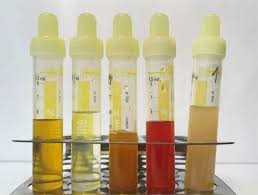
The colour of your urine may sometimes provide useful clues about hydration and changes happening in the body.
Normal urine usually ranges from almost colourless to pale or straw yellow. However, food, medicines, vitamins, hydration and certain health conditions can change its appearance.
A temporary colour change is not always a sign of illness. But unusual urine colour that persists or appears with pain, fever or other symptoms should not be ignored.
1. Clear or Almost Colourless Urine
Very light or almost colourless urine may simply mean you have been drinking plenty of fluids.

However, urine colour alone cannot diagnose a health condition. If you are constantly extremely thirsty, urinating frequently or experiencing other unusual symptoms, consider speaking with a healthcare professional.
2. Pale Yellow Urine
Pale yellow urine is generally considered a normal colour and may indicate that you are drinking enough fluids.
Urine naturally gets its yellow colour from pigments produced as the body processes waste from old red blood cells.
The exact shade can change depending on how concentrated the urine is.
3. Dark Yellow Urine
Dark yellow, strong-smelling urine can be a sign of dehydration.
This may happen when the body loses more fluid than it takes in. Hot weather, heavy sweating, vomiting and diarrhoea can increase the risk of dehydration.
Other symptoms may include thirst, dizziness, tiredness, dry mouth and urinating less often than usual.
Drinking fluids may help when mild dehydration is the cause. Severe dehydration requires urgent medical attention.
4. Orange Urine
Orange or dark yellow urine can sometimes be linked to vitamins or certain medicines.
In some cases, unusual dark or orange urine may also be associated with dehydration or liver-related problems.
If the colour cannot be explained by food or medicine and does not disappear, seek medical advice.
5. Pink or Red Urine
Red or pink urine can be alarming, but it does not always mean blood is present.
Foods such as beetroot and blackberries, as well as certain food colourings and medicines, can change urine colour.
However, blood in the urine can also make it appear pink, red or dark brown.
Blood in urine may be linked to urinary tract problems, kidney or urinary injuries, stones, infections and other medical conditions.
Visible blood in the urine should be medically checked even if it happens only once or there is no pain.
6. Dark Brown or Cola-Coloured Urine
Dark brown urine should not automatically be blamed on dehydration.
Clear, dark-brown urine can sometimes be associated with severe dehydration, liver disorders or muscle breakdown.
Cola-coloured urine may also occur when blood is present in the urine in some kidney conditions.
Persistent dark brown urine requires medical assessment, particularly when accompanied by other symptoms.
7. Cloudy or Milky Urine
Cloudy or milky urine can sometimes occur with a urinary tract infection.
A person with a UTI may also experience burning when urinating, frequent urination, unpleasant-smelling urine, fever or pain in the lower abdomen or back.
However, cloudy urine can have other causes, including crystals, blood cells, bacteria or mucus.
A urine test may be needed to identify the cause.
8. Blue or Green Urine
Blue or green urine is unusual but can occur because of artificial food colours or certain medicines.
Some urinary tract infections may also be associated with unusual urine colours.
If the change is unexplained or continues, a healthcare professional should assess it.
Can Food and Medicine Change Urine Colour?
Yes.
Certain foods, vitamins and medicines can temporarily change the colour of urine.
For example, beetroot may make urine appear pink or red. Some B vitamins and medicines can also cause noticeable colour changes.
This is why healthcare professionals may ask about your diet and medicines when investigating abnormal urine colour.
Do not stop prescribed medicine simply because your urine changes colour without first speaking to a qualified healthcare professional.
When Should You See a Doctor?
Seek medical advice if you notice blood in your urine, even if it happens only once.
You should also get checked if abnormal urine colour cannot be explained by food or medicine and does not go away.
Persistent dark brown urine, pain while urinating, fever, severe back or side pain and other unusual symptoms may require medical assessment.
A healthcare professional may perform a urinalysis, blood tests or imaging tests depending on the suspected cause.
Final Thoughts
Urine colour can sometimes offer useful clues about hydration and changes in the body, but it should never be used alone to diagnose a disease.
Pale yellow urine is generally normal, while dark yellow urine may suggest dehydration. Red, pink, dark brown or persistently cloudy urine may require further investigation.
Pay attention to changes in your body and seek professional medical advice when an unusual urine colour persists or appears with other concerning symptoms.
Disclaimer: This article is for general health information only and does not replace professional medical advice, diagnosis or treatment.




