


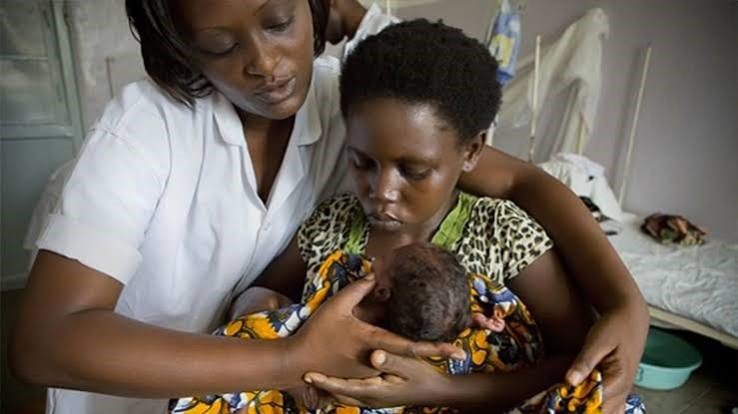
The World Health Organization (WHO) has called on governments and global health partners to strengthen efforts to reduce preventable maternal deaths, warning that thousands of women continue to die each year from complications related to pregnancy and childbirth.
According to the WHO, most maternal deaths are preventable through timely access to quality healthcare, skilled birth attendants, emergency obstetric services, and adequate postnatal care. The agency says expanding these services is essential to achieving global health targets and protecting the lives of mothers and newborns.
Preventable Deaths Remain a Global Challenge
Despite improvements in healthcare over the past two decades, maternal mortality remains a major public health concern in many low- and middle-income countries.
The WHO noted that complications such as severe bleeding, infections, high blood pressure during pregnancy, and unsafe abortions continue to be among the leading causes of maternal deaths.

Health experts say many of these complications can be treated successfully when women receive prompt medical attention.
Access to Quality Healthcare Is Key
The organization is encouraging governments to invest in:
- Skilled healthcare workers.
- Well-equipped maternity facilities.
- Emergency obstetric care.
- Prenatal and postnatal health services.
- Access to family planning and reproductive health education.
WHO says these investments can significantly reduce pregnancy-related complications and improve outcomes for both mothers and babies.
Focus on Rural and Underserved Communities
Health officials highlighted the need to improve healthcare access in rural and underserved areas, where women often face long travel distances, shortages of trained healthcare professionals, and limited medical facilities.
Expanding primary healthcare services and strengthening referral systems are among the recommendations outlined by the agency.
Global Efforts Continue
The WHO is working with governments, United Nations agencies, and international partners to support programmes aimed at improving maternal and newborn health.
These initiatives include training healthcare workers, increasing access to essential medicines, and strengthening health systems to ensure safe pregnancies and childbirth.
Looking Ahead
Health experts say continued investment in maternal healthcare will be essential to reducing preventable deaths and achieving the Sustainable Development Goals related to maternal and child health.
They also stress that improving women’s access to healthcare benefits families, communities, and national development.




