


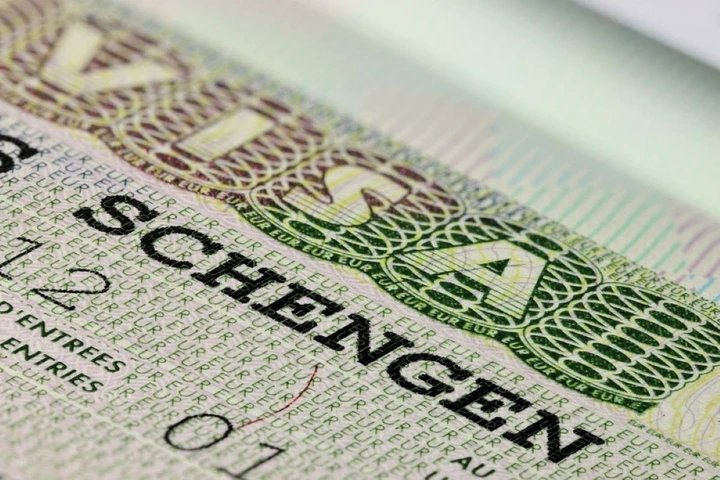
LAGOS, Nigeria — Nigerian travellers planning trips to Europe this summer are being advised to carefully prepare their Schengen visa applications, as avoidable errors remain one of the leading causes of visa refusals and processing delays.
With demand for holidays, business travel, conferences and family visits expected to rise during the summer season, European embassies and visa application centres are likely to experience increased volumes of applications, resulting in tighter scrutiny of supporting documents and longer waiting periods.
Immigration experts say many applications submitted in Lagos are delayed or rejected because of incomplete documentation, inconsistent information or insufficient evidence supporting the purpose of travel rather than the intended destination itself.
Applicants are therefore encouraged to familiarise themselves with the Schengen Visa Code, which provides the common rules governing short-stay visa applications across participating European countries.

Under the regulations, applicants must clearly demonstrate the purpose of their trip, provide evidence of sufficient financial resources to cover their stay, show they intend to leave the Schengen Area before their visa expires and submit authentic supporting documents.
Although individual embassies or authorised visa processing centres may request additional documents depending on personal circumstances, the fundamental requirements remain largely the same across all Schengen member states.
Prospective travellers are advised to review the official document checklist provided by the relevant embassy or visa application centre before submitting their applications to ensure every required document is included.
Officials say incomplete documentation continues to be one of the most common reasons applications are refused or delayed.
Missing bank statements, unsigned application forms, expired passports, incomplete travel insurance policies or the absence of confirmed accommodation bookings can significantly affect the outcome of an application.
Applicants are also encouraged to ensure that every supporting document contains consistent information.
Travel dates, flight reservations, hotel bookings, invitation letters and employment records should accurately match the details provided on the visa application form to avoid raising concerns during the assessment process.
Financial capacity is another major factor considered by consular authorities when reviewing visa applications.
Applicants must demonstrate that they have sufficient funds to support themselves throughout their stay without relying on public assistance.
Bank statements should reflect regular and genuine financial activity rather than unusually large deposits made shortly before the application is submitted.
Where a trip is being financed by another individual, applicants may also be required to provide sponsorship letters together with supporting financial documents from the sponsor.
Providing clear, verifiable and transparent financial records can significantly strengthen the credibility of an application.
Visa officers also assess whether applicants are likely to return to Nigeria before the expiration of their authorised stay.
Evidence of stable employment, business ownership, ongoing education, family commitments, property ownership or other strong personal and economic ties to Nigeria can help demonstrate an applicant’s intention to return after travelling.
Authorities further warn against providing false or misleading information during the application process.
Submitting altered bank statements, forged employment letters, fake hotel reservations or inaccurate travel histories may lead to immediate refusal and could negatively affect future visa applications.
Applicants are also advised to begin the application process well ahead of their intended departure date.
The summer travel period is traditionally one of the busiest seasons for European embassies and visa centres, making appointment slots more competitive and processing times potentially longer.
Applying early allows applicants sufficient time to secure appointments, correct documentation errors and respond to any requests for additional information before their planned departure.
Officials also recommend monitoring announcements from the relevant embassies regarding appointment availability and current visa processing timelines.
Travel experts say careful preparation, complete documentation, financial transparency and credible evidence of genuine travel intentions remain the key factors that improve an applicant’s chances of obtaining a Schengen visa and avoiding unnecessary delays or refusals during the busy travel season.




