


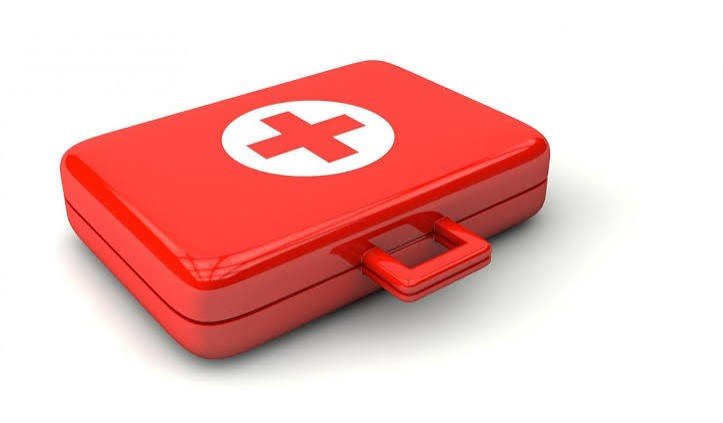
First aid is the immediate care given to a person who has been injured or suddenly becomes ill before professional medical assistance is available. Health experts say knowing basic first aid skills can help prevent complications, reduce the severity of injuries and, in some cases, save lives.
Medical professionals encourage individuals, families, schools and workplaces to learn essential first aid techniques, as emergencies can occur at any time and in any setting.
What Is First Aid?
First aid involves simple, immediate actions taken to assist someone who is injured or ill until trained healthcare providers arrive. The goal is to preserve life, prevent the condition from worsening and promote recovery.
Basic first aid does not replace professional medical treatment but serves as an important first response during emergencies.
Common Emergencies That Require First Aid
First aid may be needed in various situations, including:
- Cuts and bleeding
- Burns and scalds
- Choking
- Fainting
- Fractures and sprains
- Seizures
- Snake bites
- Heat exhaustion and heatstroke
- Electric shock
- Road traffic accidents
Responding calmly and appropriately can improve the injured person’s chances of recovery.
Essential First Aid Steps
Health experts recommend following these basic steps during an emergency:
- Ensure the area is safe before approaching the injured person.
- Check whether the person is conscious and breathing.
- Call emergency medical services or ask someone nearby to seek help.
- Control severe bleeding by applying firm pressure with a clean cloth or bandage.
- Keep the injured person as comfortable as possible while waiting for medical assistance.
- Avoid moving someone with a suspected neck, back or spinal injury unless there is immediate danger.
Quick action can make a significant difference in life-threatening situations.
Responding to Common Emergencies
Choking
If a person cannot speak, cough or breathe, immediate action is necessary. Encourage them to cough if possible. If the airway remains blocked, trained individuals may perform appropriate first aid techniques while emergency medical services are contacted immediately.
Burns
Cool the affected area under clean, cool running water for several minutes. Do not apply toothpaste, butter, oil or other home remedies. Cover the burn with a clean, non-stick dressing and seek medical care for severe burns.
Severe Bleeding
Apply direct pressure to the wound using a clean cloth or bandage. If bleeding is heavy or does not stop, seek urgent medical attention.
Fainting
Lay the person flat on their back if it is safe to do so and raise the legs slightly if there is no injury. Loosen tight clothing and ensure fresh air is available. If the person does not regain consciousness quickly, seek emergency medical assistance.
Importance of First Aid Training
Health professionals encourage individuals to attend certified first aid training courses to learn lifesaving skills such as cardiopulmonary resuscitation (CPR), bleeding control and emergency response techniques.
Proper training improves confidence and prepares people to respond effectively during emergencies.
Building a Well-Stocked First Aid Kit
Every home, school, workplace and vehicle should have a basic first aid kit containing:
- Adhesive bandages
- Sterile gauze and bandages
- Antiseptic solution or wipes
- Medical gloves
- Adhesive tape
- Scissors
- Tweezers
- Pain relief medication
- Thermometer
- Emergency contact information
Regularly checking and replacing expired supplies ensures the kit is ready when needed.
Conclusion
First aid is a valuable life skill that can make a critical difference during emergencies. By learning basic first aid techniques, keeping a well-equipped first aid kit and responding quickly while seeking professional medical help, individuals can help protect lives and reduce the impact of injuries and sudden illnesses. Health experts emphasise that preparedness and timely action remain essential components of effective emergency care.




