


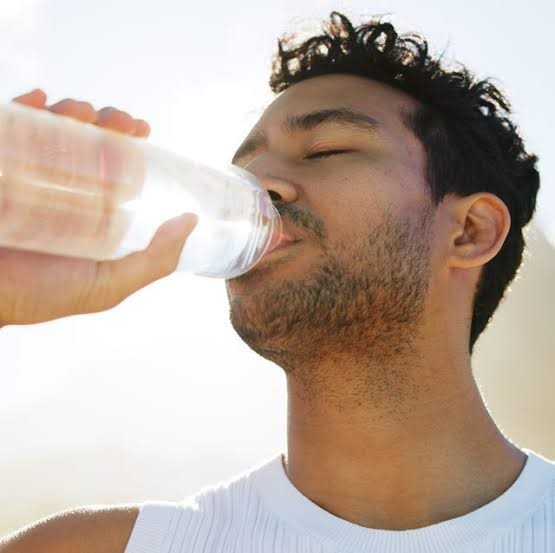
Dehydration occurs when the body loses more fluids than it takes in, making it difficult to carry out normal bodily functions. Health experts warn that dehydration can affect people of all ages, but infants, young children, older adults and people who work or exercise outdoors are at greater risk.
Medical professionals say drinking enough fluids, especially during hot weather or illness, is one of the simplest and most effective ways to maintain good health and prevent serious complications.
What Is Dehydration?
Dehydration happens when the body does not have enough water and essential electrolytes to function properly. Water is vital for regulating body temperature, transporting nutrients, lubricating joints and supporting the function of major organs.
Even mild dehydration can affect concentration, energy levels and physical performance if not corrected promptly.

Common Causes of Dehydration
Several factors can lead to dehydration, including:
- Excessive sweating during hot weather
- Fever
- Vomiting
- Diarrhoea
- Inadequate fluid intake
- Intense physical activity
- Certain medications that increase urination
Health experts advise increasing fluid intake whenever these conditions occur.
Signs and Symptoms
The symptoms of dehydration vary depending on its severity. Common warning signs include:
- Increased thirst
- Dry mouth and lips
- Dark yellow urine
- Passing urine less often than usual
- Fatigue or weakness
- Dizziness or light-headedness
- Headache
- Dry skin
In infants and young children, dehydration may also cause a dry tongue, few or no tears when crying, sunken eyes and reduced wet diapers.
Severe Dehydration Requires Immediate Medical Care
Severe dehydration is a medical emergency. Individuals should seek urgent medical attention if they experience:
- Extreme thirst
- Confusion or difficulty staying awake
- Rapid heartbeat
- Rapid breathing
- Very little or no urine output
- Fainting
- Sunken eyes
- Severe weakness
Prompt treatment can prevent life-threatening complications.
How to Prevent Dehydration
Doctors recommend several simple steps to stay properly hydrated:
- Drink water regularly throughout the day, even before feeling thirsty.
- Increase fluid intake during hot weather.
- Drink extra fluids when exercising or working outdoors.
- Replace fluids lost through vomiting or diarrhoea as advised by a healthcare provider.
- Eat fruits and vegetables with high water content, such as watermelon, oranges and cucumbers.
- Limit excessive intake of sugary drinks and alcohol, which may contribute to dehydration in some situations.
Maintaining adequate hydration is particularly important for children, older adults and individuals with chronic illnesses.
Staying Safe During Heatwaves
During periods of extreme heat, health experts recommend:
- Avoiding prolonged exposure to direct sunlight during the hottest part of the day.
- Wearing lightweight, loose-fitting clothing.
- Taking frequent breaks in shaded or cool areas.
- Checking on older relatives and neighbours who may be vulnerable to heat-related illnesses.
Employers are also encouraged to provide workers with access to clean drinking water and regular rest breaks.
The Importance of Early Action
Recognising the early signs of dehydration and responding quickly by increasing fluid intake can prevent more serious health problems. Individuals with persistent vomiting, severe diarrhoea or symptoms of severe dehydration should seek medical attention without delay.
Healthcare professionals stress that children and older adults should never be left untreated if dehydration is suspected.
Conclusion
Dehydration is a preventable condition that can have serious health consequences if ignored. By drinking enough fluids, recognising the warning signs and taking extra precautions during hot weather or illness, individuals can protect their health and reduce the risk of dehydration-related complications. Health experts agree that staying well hydrated is a simple but essential step toward maintaining overall health and well-being.




