


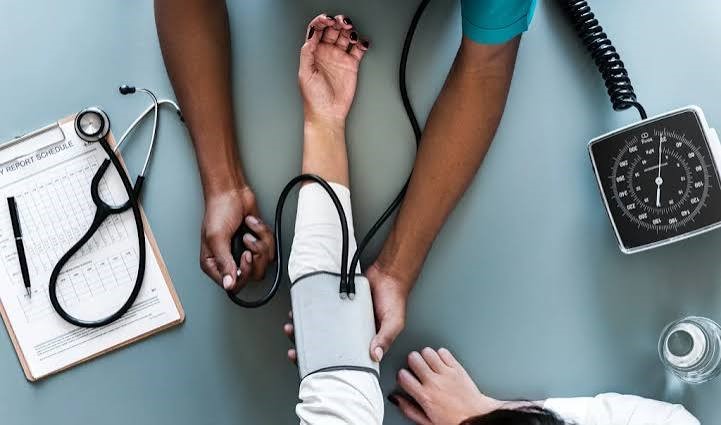
Medical professionals are urging people to make routine blood pressure checks a regular part of their healthcare, warning that high blood pressure often develops without noticeable symptoms but can lead to life-threatening complications if left untreated.
Often referred to as the “silent killer,” high blood pressure, or hypertension, affects millions of people worldwide. Doctors say many individuals are unaware they have the condition until it causes serious health problems such as heart disease, stroke, kidney damage, or vision loss.
Why Blood Pressure Monitoring Matters
Blood pressure measures the force of blood pushing against the walls of the arteries as the heart pumps. When this pressure remains consistently high, it places extra strain on the heart and blood vessels.
Healthcare professionals explain that regular monitoring can help detect abnormal blood pressure early, allowing patients to begin treatment and make lifestyle changes before complications develop.

Early diagnosis is one of the most effective ways to prevent long-term damage to vital organs.
Who Should Check Their Blood Pressure?
Doctors recommend that all adults have their blood pressure checked periodically, even if they feel healthy. More frequent monitoring may be necessary for people who:
- Are 40 years of age or older.
- Have a family history of hypertension.
- Are overweight or obese.
- Have diabetes or kidney disease.
- Smoke or consume excessive alcohol.
- Lead physically inactive lifestyles.
- Experience high levels of stress.
Pregnant women are also advised to attend regular antenatal visits, where blood pressure is routinely monitored to detect pregnancy-related complications.
Signs and Symptoms
Although hypertension usually causes no symptoms, extremely high blood pressure may sometimes lead to:
- Severe headaches.
- Blurred vision.
- Chest pain.
- Shortness of breath.
- Dizziness.
- Nosebleeds in some cases.
Medical experts stress that these symptoms require immediate medical attention and should never be ignored.
Preventing High Blood Pressure
Health specialists recommend several healthy habits to reduce the risk of hypertension, including:
- Eating a balanced diet rich in fruits and vegetables.
- Reducing salt intake.
- Exercising regularly.
- Maintaining a healthy weight.
- Avoiding tobacco products.
- Limiting alcohol consumption.
- Managing stress through relaxation techniques and adequate sleep.
People diagnosed with hypertension should take prescribed medications as directed and continue attending follow-up appointments.
The Role of Regular Screening
Healthcare providers say routine blood pressure screening remains one of the simplest and most effective ways to protect cardiovascular health. Community health campaigns, workplace wellness programs, and regular clinic visits can help increase awareness and encourage early detection.
Doctors also advise people to avoid self-diagnosing or stopping blood pressure medication without consulting a qualified healthcare professional.
Looking Ahead
As hypertension continues to be a leading cause of preventable illness and death, health experts are calling on individuals to take proactive steps by checking their blood pressure regularly. Early detection, healthy lifestyle choices, and proper medical care can significantly reduce the risk of serious complications and improve overall quality of life.




