


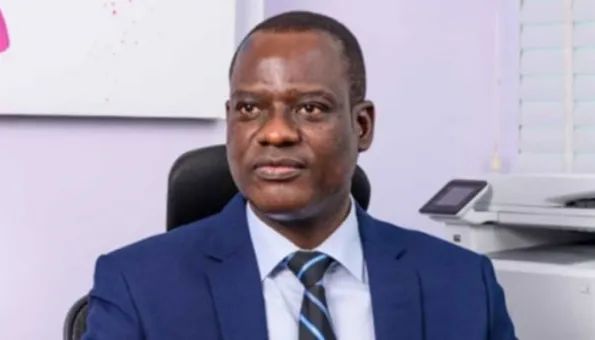
ABUJA, NIGERIA — The Minister of Finance and Coordinating Minister of the Economy, Wale Edun, has urged Nigerian states to strengthen their internally generated revenue and reduce dependence on allocations from the Federal Government to achieve sustainable economic development.
Edun made the call while speaking on the need for stronger fiscal management and greater revenue mobilisation across the country. He emphasised that states must develop reliable domestic revenue sources instead of relying heavily on funds distributed from the Federation Account.
The minister’s position reflects growing concerns about the ability of state governments to finance development programmes amid rising expenditure demands and fluctuations in government revenues. With states responsible for providing essential services and infrastructure, strengthening their own revenue base is increasingly viewed as critical to maintaining financial stability.
Edun said states should focus on expanding their tax base, improving revenue collection systems and ensuring that economic activities within their jurisdictions translate into sustainable public revenue. Such measures, he argued, would give state governments greater financial independence and reduce their vulnerability to changes in federal allocations.

Internally Generated Revenue refers to funds raised directly by state governments through taxes, levies, fees and other legitimate sources. Unlike federal allocations, which are distributed from centrally collected revenues, IGR provides states with greater control over their domestic finances.
The minister’s call comes at a time when many Nigerian states are facing significant pressure to meet salary obligations, fund infrastructure projects and provide essential public services. Increased revenue mobilisation could provide additional resources for these responsibilities while reducing the need for excessive borrowing.
However, improving IGR will require states to strike a balance between increasing revenue and protecting residents and businesses from excessive taxation. Effective revenue systems must be transparent, efficient and broad enough to capture economic activity without discouraging investment.
State governments have also been encouraged to use technology to improve revenue collection and reduce leakages. Digital payment systems, taxpayer databases and stronger monitoring mechanisms can help governments identify potential revenue sources while limiting opportunities for diversion.
Economic experts have repeatedly argued that states with stronger internally generated revenue are better positioned to implement long-term development plans. A reliable domestic revenue base can help governments plan their budgets more effectively because they are less exposed to fluctuations in federal transfers.
The push for stronger IGR also comes amid wider efforts by the Federal Government to increase Nigeria’s overall revenue mobilisation. Improving domestic revenue is considered important for reducing fiscal deficits, financing public investment and strengthening the country’s ability to meet its financial obligations.
For states, however, the challenge goes beyond simply collecting more taxes. Governments must also create an environment that encourages businesses to operate and expand. A larger and more productive economy can ultimately generate greater revenue without requiring governments to impose increasingly heavy tax burdens.
This means states may need to invest in infrastructure, security, education and other areas that support economic activity. By making their jurisdictions more attractive to businesses and investors, governments can broaden the economic base from which internally generated revenue is collected.
The minister’s message therefore places responsibility on state governments to become more financially self-reliant. Rather than waiting for monthly federal allocations to fund their operations, states are being encouraged to develop sustainable revenue strategies capable of supporting their development ambitions.
The shift could also improve accountability. When governments depend more heavily on revenue generated from residents and businesses within their jurisdictions, citizens may demand greater transparency over how those resources are collected and spent.
For Nigeria’s 36 states, building stronger IGR systems could consequently become an important part of long-term fiscal sustainability. The success of such efforts will depend on efficient administration, responsible spending, economic expansion and public confidence in the tax system.
As the Federal Government continues to encourage greater revenue mobilisation, state governments are expected to reassess their financial strategies and identify new opportunities for domestic revenue generation. The objective is not simply to collect more money, but to build stronger economies capable of generating sustainable resources for development.
Edun’s call ultimately highlights a broader shift toward fiscal independence, with states being encouraged to rely less on federal allocations and take greater responsibility for financing the needs of their citizens.




