


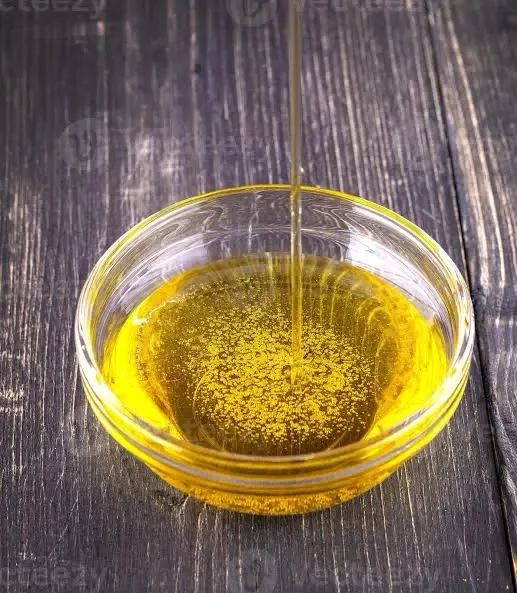
LAGOS, NIGERIA — Health experts have warned against using palm oil, vegetable oil and other cooking oils as sexual lubricants, particularly when condoms are being used, citing potential health and contraceptive risks associated with oil-based substances.
The warning comes amid concerns that some people may turn to readily available household products when purpose-made sexual lubricants are unavailable or unaffordable.
Experts say that although substances such as palm oil and vegetable oil may appear to reduce friction temporarily, they are not designed for use as sexual lubricants and can create complications that outweigh their perceived convenience.
One of the major concerns is the interaction between oil-based substances and latex condoms. Oils can weaken latex, making condoms more likely to break or slip during sexual activity. This can reduce the protection provided by condoms against unintended pregnancy and sexually transmitted infections.

The risk is particularly important because condoms remain one of the most widely used methods of protection against sexually transmitted infections, including HIV, while also providing contraception.
Using an unsuitable lubricant can therefore undermine the very protection people are attempting to achieve through condom use.
Health professionals generally recommend choosing lubricants specifically manufactured for sexual activity. Water-based lubricants are commonly recommended because they are compatible with latex condoms and can help reduce friction without damaging the material.
Silicone-based lubricants can also be compatible with many condoms and may last longer than water-based products, although users should follow the manufacturer’s instructions and check compatibility with the particular condom being used.
Experts also caution against assuming that because a household product is safe for cooking or use on the skin in other circumstances, it is automatically appropriate for intimate use.
The genital and rectal areas can be sensitive, and products not formulated for those areas may cause irritation or discomfort. In some people, irritation can create tiny breaks in the skin, potentially increasing vulnerability to infection.
The vagina also has a naturally balanced environment that can be disrupted by inappropriate substances. Products containing ingredients that irritate the genital area may cause discomfort or other problems.
The issue is particularly relevant for people who rely on condoms for protection. When latex is exposed to oil, the material can deteriorate, increasing the likelihood of condom failure.
This means that even when the oil itself does not immediately cause noticeable irritation, its effect on the condom can create a significant health risk.
Experts therefore advise people to check the type of lubricant they are using before applying it with a condom. Product labels can indicate whether a lubricant is water-based, silicone-based or oil-based and whether it is compatible with condoms.
People who experience persistent irritation, pain, burning, unusual discharge or other symptoms after using a product should discontinue its use and seek appropriate medical advice.
The warning also highlights the importance of sexual-health education. Many people may know that lubricants can reduce friction but may not understand that different lubricants have different chemical properties and are not interchangeable.
Purpose-made lubricants are formulated to reduce friction during sexual activity while minimising irritation when used as directed. Their availability in pharmacies, supermarkets and other outlets has made them increasingly accessible.
For individuals who cannot obtain a commercial lubricant immediately, experts recommend avoiding improvised oil-based alternatives rather than risking condom damage or genital irritation.
The advice is especially important where pregnancy prevention or protection against sexually transmitted infections is a priority. A condom that has been compromised by an incompatible lubricant may no longer provide the level of protection expected by the user.
Health experts therefore encourage people to consider lubricant compatibility as part of safer-sex practices rather than treating lubrication as a matter of convenience alone.
The warning does not mean that every person who has used palm or vegetable oil will necessarily develop a health problem. Rather, the concern is that these products are not appropriate substitutes for lubricants specifically designed for sexual activity, and their use with latex condoms can compromise protection.
The safest approach is to use a lubricant manufactured for sexual use and compatible with the chosen condom. Water-based and compatible silicone-based products are generally preferable to household cooking oils when condoms are involved.
Experts say making informed choices about lubricants is a simple but important part of protecting sexual and reproductive health. By avoiding unsuitable oil-based products and checking condom compatibility, individuals can reduce preventable risks while ensuring greater comfort and protection during sexual activity.




