


tech-liux-big-microcar-green-tech-chinese-evs
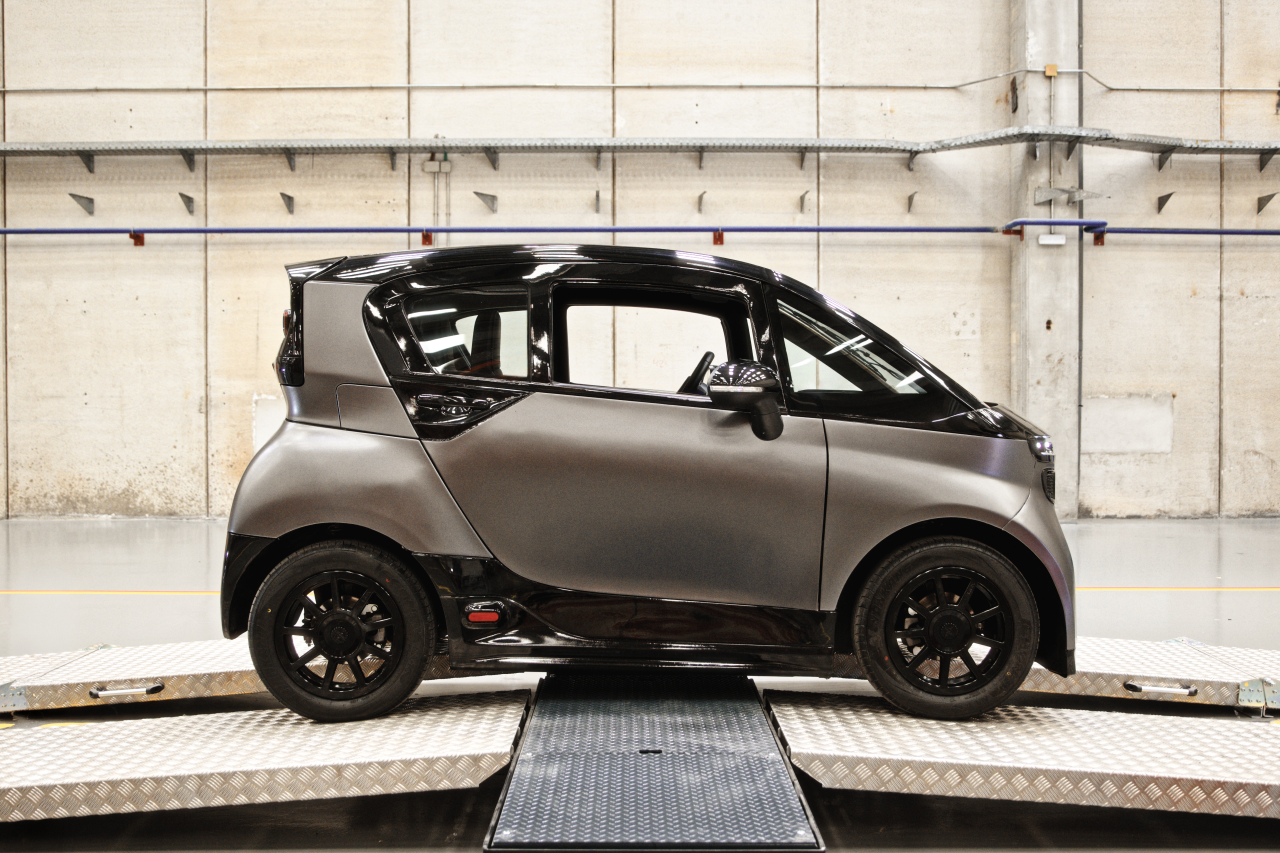
Liux Launches Sustainable Microcar To Rival Chinese Tech Spanish startup Liux enters the urban electric vehicle market with a linen-based microcar, utilizing eco-friendly tech to challenge affordable Chinese models across European cities. Spanish startup Liux challenges Chinese rivals with a sustainable, plant-based microcar that redefines green tech and urban transport.
Essentially, a Spanish startup is shaking up the global tech industry today. TechCrunch reports that Liux just revealed a bold plan for urban mobility. Specifically, the brand wants to build a highly sustainable electric microcar. This fresh strategy directly targets dominant Chinese auto rivals.
Building Cars With Sustainable Materials
Furthermore, the company refuses to use standard metal for its cars. Founders Antonio Espinosa and David Sancho chose plant-based materials instead. Specifically, the new Liux vehicle features a linen-based biocomposite body. Carscoops notes that this unique shell reduces total vehicle weight. As a result, the lightweight design lowers harmful carbon emissions significantly.

Additionally, Liux uses advanced 3D printing to build its car parts. This modern production method cuts manufacturing times drastically. Therefore, the brand avoids the massive supply chains of older automakers. Engineers designed the new microcar battery to be fully modular. Through this, owners can easily replace or upgrade the battery pack later.
Competing Against Global Tech Rivals
Simultaneously, European cities face massive congestion and strict parking rules. Tiny urban vehicles offer a smart solution for daily driving. However, cheap Chinese electric cars currently flood the European market. Local companies struggle to match these low retail prices. Indeed, Liux hopes to win buyers through strong green values instead.
Consequently, this green approach changes how experts view modern auto tech. The brand promotes a true circular economy for all car parts. For example, recycling facilities can easily separate the plant-based vehicle resins. Old vehicle bodies will not sit in toxic junk yards. Of course, this smart design challenges the fast fashion model completely.
Expanding The Green Tech Ecosystem
Meanwhile, this shift aligns with broader tech market trends globally. The global push for artificial intelligence also demands sustainable power. For example, Nvidia Backs China’s AI Surge, Sparks Global Tech Rally shows how technology shapes markets. Hardware makers must balance high performance with actual climate goals. As a result, green cars represent a vital piece of this puzzle.
In contrast, standard car makers still rely on heavy metal frames. These old designs require massive amounts of raw energy. However, Liux proves that small businesses can disrupt heavy industrial norms. The company secured major funding to launch its innovative fleet. Therefore, early vehicle production could begin by the end of next year.
Looking Ahead To Urban Mobility
Subsequently, the Spanish startup plans to expand its total production capacity. Liux aims to build thousands of units over three years. For example, the official Liux website highlights a target range of 150 kilometers. This modest battery range perfectly suits short daily city commutes. Indeed, local drivers can charge the battery using standard home plugs.
Ultimately, the microcar market will grow as fuel costs rise higher. Businesses might adopt these tiny cars for urban delivery fleets. Of course, delivery drivers need cheap and reliable transport for goods. The simple maintenance of plant-based cars lowers total running costs. Through this, companies can achieve their strict green goals much faster.
To conclude, Liux brings a fresh vision to the electric vehicle space. The startup uses natural materials to fight giant industry rivals. Therefore, sustainable cars could soon dominate cramped European city streets. A greener future for urban transport looks very bright




