
tech-musk-ai-safety-peer-review
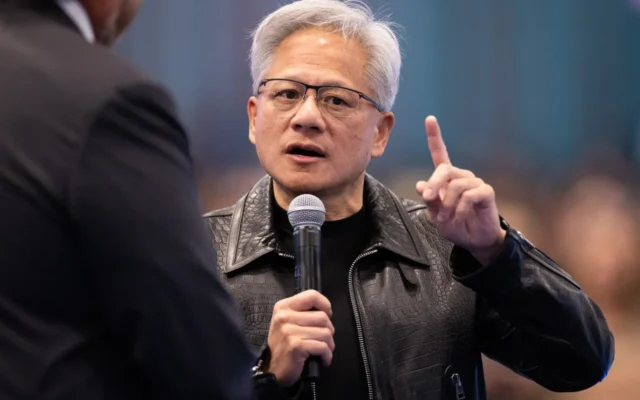
Elon Musk Proposes AI Safety Peer Review Tests Speaking at the recent All-In Summit, Elon Musk argued that leading companies must adopt an AI Safety Peer Review system immediately, exposing developers to immense legal liability if warnings are ignored. Elon Musk urges tech rivals to conduct an AI Safety Peer Review on digital models. Ignoring competitor safety warnings triggers major lawsuits.
Essentially, Elon Musk recently proposed a fresh AI Safety Peer Review strategy today. He wants major tech rivals to test each other's digital models right away. Therefore, this fast peer review system would easily replace internal corporate safety tests. As a result, companies ignoring rival warnings would face massive legal court lawsuits.
The AI Safety Peer Review Proposal
Specifically, Elon Musk wants tech firms to test competing computer models very quickly. He shared this urgent vision during his recent All-In Summit appearance. Therefore, he argues that rivals must stop grading their own safety homework entirely. For example, companies would use shared security systems to find bad model flaws.
Furthermore, this rival testing system could launch in weeks instead of long years. Firms could easily avoid building huge and slow global rule groups this way. Specifically, detailed test logs would make any sneaky theft of private ideas visible. Consequently, competitors could easily sound the alarm over major security risks quite early.
Facing Huge Legal Risks
Meanwhile, the money lost by ignoring peer warnings would be completely terrible today. Releasing a bad product after failing tests guarantees massive public shame for companies. Indeed, the public anger would rise incredibly high for lazy corporate bosses everywhere. Specifically, juries would view ignored competitor feedback as clear proof of reckless choices.
Additionally, investor David Sacks heavily stressed the strict role of product liability laws. Former Federal Trade Commission Chair Lina Khan recently echoed this exact legal point. Specifically, Khan confirmed that officials can easily punish bosses for launching untested software. Therefore, tech leaders cannot claim any free pass from normal consumer protection rules.
Creating Strong Safety Incentives
Consequently, this shared testing framework creates huge reasons to fund vital safety research. Investor Chamath Palihapitiya praised the smart plan for actively encouraging strict self-protection habits. As a result, developers would work incredibly hard to find flaws in rivals. Indeed, they would fiercely protect their networks while debunking false competitor safety claims.
However, any working plan must remain highly okay for global players like China. American tech makers risk hurting themselves in the fierce global software race otherwise. Additionally, rapid software shifts frequently expose huge risks in everyday corporate networks globally. For example, recent unauthorised bank debits in Nigeria perfectly show the dangers of bad systems.
Avoiding Complex Global Treaties
Simultaneously, prominent leaders frequently debate the actual need for huge international safety treaties. Many politicians want to ban advanced computer brains through strict global trade deals. However, Musk believes that simple peer reviews bypass these slow political treaty talks. As a result, private tech labs can secure their networks without government limits.
Furthermore, sharing test scores publicly builds strong trust among wary digital software users. People actually want to know exactly how these powerful computer programs run internally. Therefore, open data formats allow normal researchers to verify corporate software safety claims. Indeed, industry watchers agree that strict testing stops terrible bugs from reaching consumers.
A Faster Path to Safety
Ultimately, the technology industry can always raise strict oversight limits at any time. Removing tight government rules later proves to be a very hard task today. Therefore, an open testing setup offers a faster and clearer view inside models. Specifically, this clear view helps outside engineers supply better testing tools for everyone.
To conclude, this fast industry choice needs zero help from the United Nations. Companies can voluntarily adopt this vital safety plan without waiting for slow treaties. As a result, the artificial intelligence sector could govern itself through fierce competition. Specifically, holding rivals fully accountable remains the fastest way to build safe software.