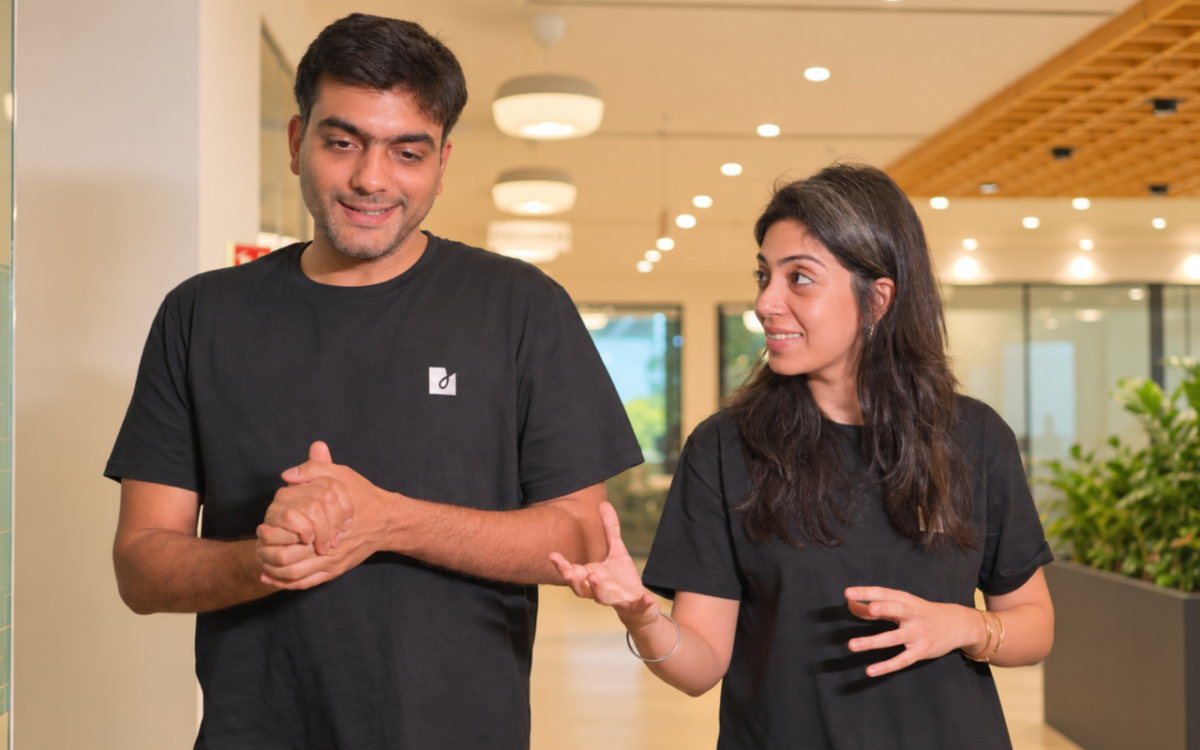
Bharat Semi raised $24 million in seed funding to develop AI-enabled image sensors, with first commercial production targeted for 2027.
Indian semiconductor startup Bharat Semi has raised $24 million in seed funding to develop programmable AI image sensors. The New Delhi-based company says it will use the all-equity round to complete product development and expand engineering. Its sensors are still in development, and commercial production is targeted for 2027. Here is what the funding supports and how close the startup is to market.
Bharat Semi’s programmable AI image sensors
Bharat Semi is developing image sensors that combine image capture, processing and artificial intelligence on a single chip. Conventional systems often send captured data to separate processors for analysis. The startup wants more of that work to happen inside the sensor. This could reduce the need for extra hardware in devices that interpret images.
The approach is aimed at what the industry calls edge AI. That means a device processes information near where it is collected, rather than sending it elsewhere first. Drones, cameras and appliances could use such chips to react to visual information quickly. The company says its sensors will be programmable for different uses.
Who invested in Bharat Semi’s seed round
The $24 million round was led by Info Edge Group, South Park Commons and Indus Bridge Ventures. Micromax, Valour Capital and Gaingels also participated. The company named individual investors Mukul Agarwal and Karthik Sundar Iyer as participants. Bharat Semi and multiple news outlets described the financing as an all-equity seed round.
Co-founder Vrinda Kapoor said the funding will support the company’s product work, engineering expansion and plans to reach global customers. Livemint reported that the money is expected to support the business for roughly two and a half years. The report said Kapoor expects the company to become revenue-positive after deploying several products. Bharat Semi has not disclosed a valuation for this financing.
Product development and reported design wins
Bharat Semi says its first-generation sensors are in the prototyping stage. It expects to move its second-generation sensors into prototypes by mid-2027. Those later chips are expected to include more advanced AI features. The company is targeting initial commercial production in 2027.
The startup has reported design wins with U.S. defense technology company General Atomics and India’s Kaynes Semicon. A design win can indicate that a supplier’s component has been selected for a customer’s product. It does not, by itself, establish that the component has shipped or generated revenue. TechCrunch reported that Bharat Semi’s sensors remain under development and the company is pre-revenue.
Smart homes, drones and industrial applications
The company is targeting smart homes, industrial automation, surveillance and aerospace. Kapoor gave an example of an air conditioner that could recognize an empty room and adjust automatically. She also described drones that could analyze images without relying on more expensive computing hardware elsewhere. Those are potential applications, not products Bharat Semi has announced as commercially available.
The company’s pitch is that smarter sensors could help devices interpret their surroundings. In many systems, a sensor captures an image while another chip processes it. Bharat Semi wants to combine more of those steps. If it succeeds, manufacturers could use the design in cameras, vehicles, robots and other connected equipment.
Bharat Semi remains a fabless chip designer
Bharat Semi plans to remain fabless, meaning it will design chips but outsource their manufacturing. The company’s $24 million financing is intended for its sensor business. TechCrunch reported the funds will not support a separate semiconductor fabrication project that Bharat Semi has discussed previously. That project remains in development, and the company is still seeking partners.
The distinction matters because chip design and chip manufacturing require different capital and expertise. The current round is meant to move the image sensors toward customer use, not build a fabrication plant. Bharat Semi has about 75 employees across India and the United States, according to TechCrunch.
TechCrunch reported that the company plans to grow its U.S. team to about 20 by mid-2027. “Our aim here is to move from sensors to sense-making solutions.” — Vrinda Kapoor, Bharat Semi co-founder. The startup has also begun hiring engineers in Europe.
Ultimately, Bharat Semi has secured early financing for a sensor platform that is not yet commercially established. The company must complete prototypes, validate customer demand and begin production. Its reported design wins offer early customer signals, but are not revenue. The next milestone is whether the sensors reach customers in 2027.