


STARBASE, TEXAS, UNITED STATES — Elon Musk’s SpaceX has successfully launched its Starship spacecraft into Earth’s orbit, marking another major milestone in the development of the world’s largest rocket, although an unexpected problem forced the company to abandon its planned recovery of the Super Heavy booster during the mission.
The 124-metre rocket lifted off on Friday, November 13, from SpaceX’s Starbase launch facility in southern Texas, marking the 15th test flight of the Starship programme. The mission was designed to demonstrate the spacecraft’s ability to reach orbit, deploy satellites and return to Earth, while allowing engineers to attempt the recovery of both stages of the rocket.
The initial launch proceeded successfully, with the two stages separating in mid-air a few minutes after liftoff. The Starship upper stage continued its journey towards orbit, while the Super Heavy booster began its planned return towards the launch facility.
However, the booster recovery did not proceed as expected. SpaceX encountered an unspecified problem during the return sequence and redirected the Super Heavy booster towards an offshore landing zone in the Gulf of Mexico.

The booster subsequently exploded as it reached the water, ending the planned attempt to capture it using the enormous mechanical arms installed on the launch tower.
SpaceX commentator Dan Huot acknowledged the setback during the company’s livestream, saying engineers would investigate why the booster could not be brought back for recovery. The company had not immediately disclosed the precise technical cause of the aborted operation.
Despite the setback, the upper-stage spacecraft successfully reached Earth’s orbit, making it the second time in the programme’s history that Starship has achieved orbital flight.
The spacecraft was expected to remain in orbit for more than 22 hours, completing approximately 14 revolutions around Earth before beginning its return journey.
During the flight, Starship also deployed 26 Starlink V3 satellites intended to join SpaceX’s expanding satellite internet network. The deployment represents an important demonstration of the rocket’s ability to transport operational payloads into space.
SpaceX described the spacecraft and its heatshield as healthy several hours after launch, indicating that the upper stage remained on course for the next phase of the mission.
Attention has therefore shifted to the planned attempt to recover Starship itself. If the spacecraft passes a series of technical inspections and safety checks, it will attempt to return to the launch facility on Saturday, November 14, and be captured by the giant mechanical arms attached to the launch tower.
The proposed recovery would be a significant achievement because SpaceX has not previously caught a Starship upper stage returning from orbit. The manoeuvre requires the spacecraft to withstand the intense heat generated during atmospheric re-entry, maintain control of its descent and restart its engines to slow down before reaching the launch tower.
The recovery system uses two enormous mechanical arms, popularly called chopsticks, designed to catch the descending vehicle and hold it in position. SpaceX has previously demonstrated the technology with three Super Heavy booster recoveries, but recovering the spacecraft itself presents a more demanding engineering challenge.
Company officials have stressed that the attempted catch will only proceed if the spacecraft meets all required safety conditions. Alternative landing arrangements have been prepared in case engineers determine that a return to the launch tower is too risky.
The development is closely connected to SpaceX’s long-term ambition to make its rockets fully reusable. Unlike conventional launch systems that discard major components after flight, Starship is being developed to return both its upper spacecraft and lower booster for inspection, refurbishment and subsequent launches.
The company believes that successful reuse of the entire rocket system could substantially reduce launch costs and make space transportation more frequent.
The programme is also important to the United States National Aeronautics and Space Administration (NASA), which has selected a version of Starship for its Artemis lunar exploration programme. The spacecraft is expected to play a major role in plans to return astronauts to the Moon.
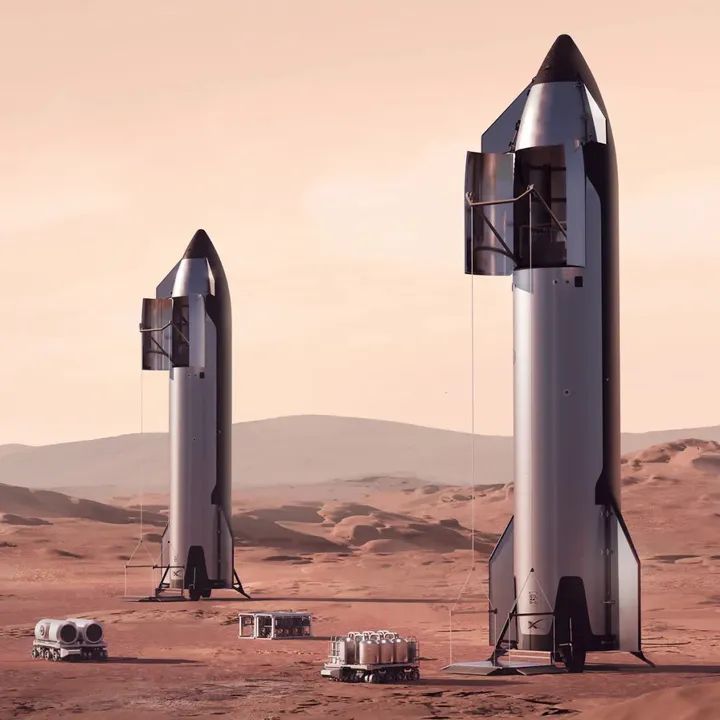
Beyond lunar exploration, SpaceX intends to use Starship for larger satellite deployments and eventual crewed missions to Mars.
Friday’s flight therefore produced mixed results: the spacecraft achieved orbit and deployed its satellite payload, but the company failed to recover the booster as originally planned.
Whether the mission ultimately delivers a historic breakthrough will depend partly on the outcome of Starship’s planned return and recovery attempt later on Saturday. Even if that operation succeeds, engineers will still need to analyse the booster incident and address any technical weaknesses before future flights.
For SpaceX, the latest test provides valuable engineering data as it continues developing a rocket system intended to transform the economics and possibilities of space exploration.




