


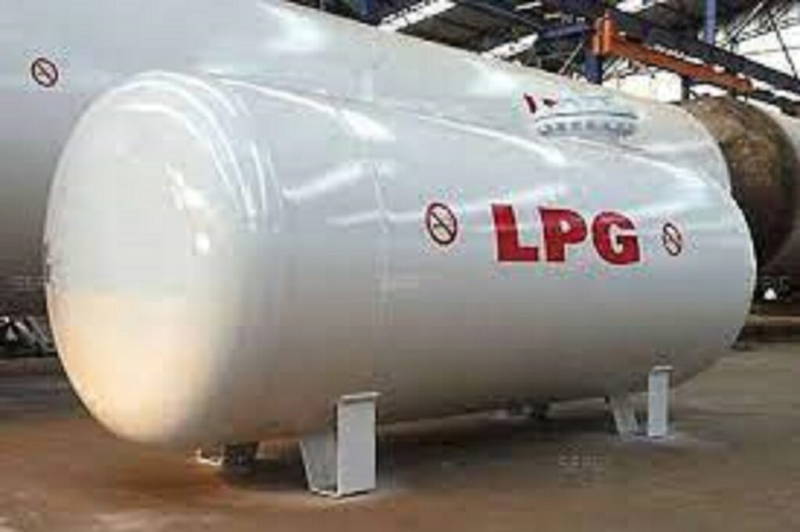
Asiko Energy Holdings has completed a 5,000-metric-tonne liquefied petroleum gas (LPG) and propane terminal, marking a major expansion of its capacity in Nigeria’s growing clean cooking and energy market.
The new facility strengthens the company’s ability to receive, store and distribute LPG and propane, positioning it to serve a larger share of Nigeria’s rapidly expanding gas market.
The development comes as demand for LPG continues to rise across Nigeria, driven by efforts to increase access to cleaner cooking fuels and reduce dependence on traditional sources such as firewood and kerosene.
A Bigger Role in Nigeria’s Gas Market

The completion of the terminal gives Asiko Energy additional infrastructure to participate more actively in the country’s LPG supply chain.
Storage capacity remains an important part of Nigeria’s downstream gas industry because reliable access to storage and distribution infrastructure can help improve supply efficiency and support the wider availability of LPG.
For energy companies, investments in terminals and storage facilities are becoming increasingly important as Nigeria seeks to expand domestic gas utilisation and develop a stronger gas-based economy.
The 5,000MT facility therefore adds to the infrastructure required to move LPG from suppliers to distributors, businesses and end users.
LPG Demand Keeps Growing
Nigeria has been working to increase the use of LPG as part of its transition towards cleaner household and commercial energy.
The fuel is widely used for cooking and is increasingly being adopted by households, restaurants, businesses and industrial users.
As more consumers switch to LPG, companies operating in the sector require stronger storage, transportation and distribution networks to meet demand.
Asiko Energy’s new terminal comes at a time when private-sector investment is playing an increasingly important role in expanding Nigeria’s gas infrastructure.
Propane Adds Another Opportunity
The inclusion of propane also broadens the commercial potential of the facility.
Propane has applications across residential, commercial and industrial markets, creating opportunities for energy companies to serve customers beyond the traditional LPG cooking market.
For Asiko Energy, the combined LPG and propane capacity could provide greater flexibility as it expands its participation across different segments of the downstream energy value chain.
Infrastructure and Energy Security
Nigeria has significant natural gas resources, but infrastructure limitations have historically affected the country’s ability to fully translate those resources into reliable energy supply.
Investment in storage and distribution facilities can help address part of that challenge by strengthening the infrastructure connecting gas supplies with end users.
The completion of the terminal also highlights the growing role of private companies in developing Nigeria’s energy infrastructure.
As the country continues to promote gas utilisation, investments such as the Asiko Energy terminal could become increasingly important to the development of the domestic LPG market.
The 5,000MT facility ultimately gives Asiko Energy a stronger position in Nigeria’s evolving gas industry while adding new capacity to a market where demand for cleaner and more accessible energy continues to grow.




