
The United States Department of Defence plans to livestream the execution of former US Army major Nidal Hasan, who killed 13 unarmed soldiers at Fort Hood military base in Texas in 2009.
A Defence Department official confirmed to the BBC that the execution would be livestreamed, following Defence Secretary Pete Hegseth’s announcement.
Hasan’s execution is scheduled for December 3 at Fort Hood. If carried out, it would be the first US military execution in more than 60 years and the first military execution by firing squad since 1945.
Hegseth said Hasan would face a firing squad of soldiers, describing the method as appropriate for the crime.
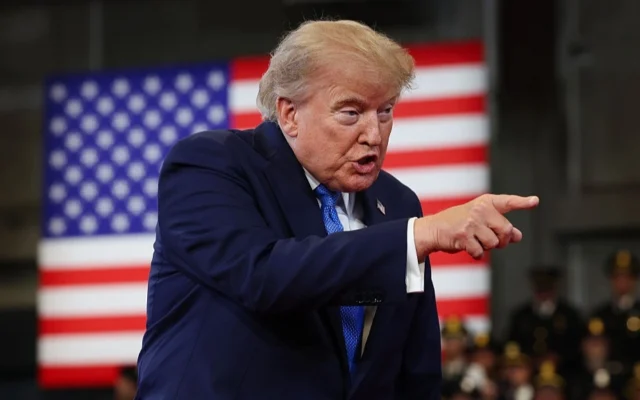
US President Donald Trump has approved the defence secretary’s recommendation for the execution.
Trump also said Hasan deserved the punishment, although he did not publicly address the planned livestream.
Hasan, a former US Army psychiatrist from Virginia, admitted killing 13 unarmed soldiers in a crowded medical building during the 2009 attack.
He said during his 2013 court-martial that he believed he was protecting Muslims and the Taliban in Afghanistan.
The planned livestream has drawn criticism from human rights advocates, lawmakers and religious leaders.
The United Nations human rights office told AFP that broadcasting the execution would amount to a public execution and breach the absolute prohibition of torture.
Democratic Senator Chris Murphy also criticised the proposal, describing it as disturbing and comparing it to executions carried out by the Islamic State group.
The US Conference of Catholic Bishops expressed shock at the decision, with its president, Archbishop Paul Coakley, urging the administration to reconsider.
Alonzo Lunsford, a former Army sergeant who survived the Fort Hood shooting after being shot seven times, said he supported Hasan’s execution by firing squad.
However, he questioned whether the public should be allowed to watch it live because of the message it could send to young people.
Lunsford said survivors and relatives of those killed should have the opportunity to witness the execution if they wished.
However, legal experts have questioned whether the execution will proceed as scheduled.
John Mills, a lawyer who works with death-row inmates, told the BBC that Hasan’s appellate process was not complete and that he could seek a federal court review, potentially delaying the execution.
Mills also described the proposed livestream as an attention-seeking move by the Trump administration, arguing that it was unlikely to deliver any meaningful sense of justice.
Under US Army regulations, access to military executions is restricted to certain categories of witnesses, including journalists and relatives, while people under 18 are excluded.
The BBC said it had asked the Pentagon and US Army whether those restrictions would be waived and what safeguards would prevent minors from accessing the broadcast.
The last military execution in the United States took place in 1961, when an Army private was hanged after being convicted of raping an 11-year-old Austrian girl.
The last US military execution by firing squad occurred in January 1945, when Army deserter Eddie Slovik was shot during World War II.