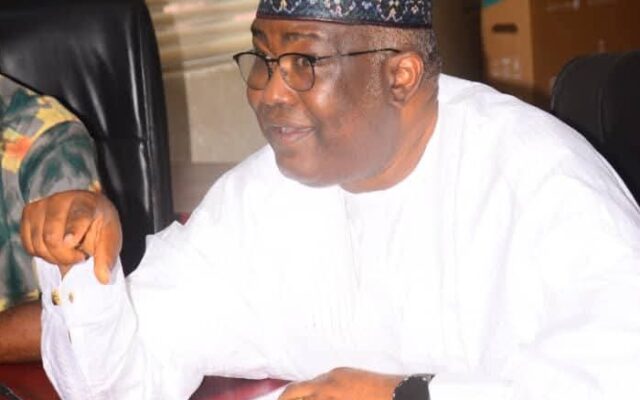

Adams Oshiomhole, senator representing Edo north has questioned Peter Obi’s claim that he saved about $150 million while serving as governor of Anambra State, asking how he accumulated the funds when the Federal Government pays states’ allocations in Naira.
Oshiomhole, a former Edo State governor and ex-national chairman of the All Progressives Congress (APC), raised the questions during an interview with Symfoni TV published on Thursday.
He recalled that he and Obi were members of the National Economic Council, chaired by the vice-president, when state governors proposed that their allocations be paid in dollars because of differences between the official and market exchange rates.
He added that the federal government rejected the proposal, insisting that the naira was Nigeria’s recognised currency.
“Where did you get dollars to save? Did you receive naira from Abuja and go to bid for dollars to save for Anambra state?” Oshiomhole queried.
Oshiomhole also challenged Obi’s claim that he did not borrow money while serving as governor, arguing that World Bank facilities could constitute loans even when repayment was deferred.
He said he also accessed World Bank facilities as Edo governor, including instruments known as budget support.
“If you are not paying it immediately, it’s not a loan? It’s in the books, and a future government will necessarily pay it anyway,” Oshiomhole said.
He added that repayment moratoriums could mean that a governor leaves office before a loan becomes due, leaving a successor administration to meet the obligation.
Oshiomhole said he believed this was the point Chukwuma Soludo, Anambra governor, had sought to explain in discussing Obi’s financial record.
Oshiomhole also criticised claims on Obi’s borrowing record, referring to a reception organised by the director-general of the Debt Management Office (DMO) to acknowledge the former governor for allegedly not applying for loans for approval.
He described the claim as “another lie” but did not provide further details in the interview excerpt to substantiate the allegation.