


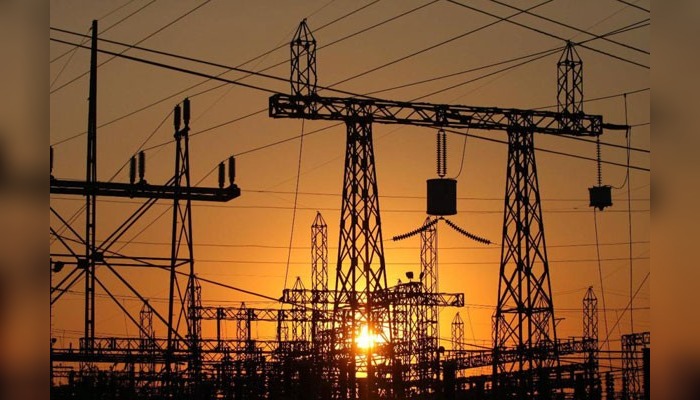
Nigeria’s unreliable electricity supply could leave millions of people increasingly exposed to extreme heat as the El Niño weather phenomenon intensifies, with researchers projecting 31,400 additional heat-related deaths in the country between September 2026 and February 2027.
The projection, attributed to researchers at the University of Chicago’s Climate Impact Lab, highlights the risks facing Nigerians who lack reliable electricity to power fans, air conditioners and other cooling equipment.
According to a report by BusinessDay, about 92 million Nigerians lack access to electricity, citing data from Sustainable Energy for All, an international organisation based in Austria that works in partnership with the United Nations.
The researchers’ estimate forms part of a wider projection of 66,800 additional heat-related deaths across Africa’s Sahel region, with Nigeria expected to record the highest toll.

The situation is raising concerns about public health, household spending and business operations as electricity distribution companies struggle to obtain sufficient power from the national grid.
With supply remaining unreliable, many households and businesses depend on petrol and diesel generators, inverters and solar systems to maintain essential activities.
Electricity Supply Remains Inadequate
Data from Nigeria’s electricity distribution system showed that the country’s 11 distribution companies had a combined allocation of 3,176 megawatts as of 1pm on October 23.
Abuja Electricity Distribution Company received the highest allocation of 575 megawatts, followed by Ikeja Disco with 467MW and Eko Disco with 458MW.
Ibadan Disco received 355MW, while Port Harcourt Disco was allocated 291MW. Benin Disco received 240MW, Enugu 230MW, Kano 173MW, Kaduna 167MW and Jos 146MW.
Yola Disco, which serves parts of the north-east, received just 74MW.
The low allocations are particularly concerning for communities in northern Nigeria, where temperatures can be more severe because of the region’s proximity to the Sahara Desert, distance from the Atlantic Ocean and low rainfall.
The Nigerian Meteorological Agency recently recorded a temperature of 41°C in Nguru, Yobe State, while Lagos recorded 34°C.
When extreme temperatures combine with unreliable electricity, residents may struggle to cool their homes, preserve food and keep temperature-sensitive medicines safe.
Toyosi Akinbobola, head of energy at Sofidam Capital, described the situation as dangerous.
“Not having stable electricity during this heatwave period is very disastrous,” Akinbobola said.
Nigeria’s electricity challenges are also being compounded by gas supply shortages affecting thermal power plants.
According to the report, the generators’ association said gas supplied to thermal plants was below 43 per cent of their daily requirements.
Joy Ogaji, chief executive of the association, argued that transmission constraints were a major factor behind the country’s inability to deliver available electricity to consumers.
“Nigeria’s stranded power crisis is a transmission failure, not a generation failure,” Ogaji said in July.
She also highlighted the financial pressure unreliable electricity places on small businesses.
“A small tailor earning N4,000 a day can spend N3,000 of it on generator fuel,” she said.
Greg Odogwu, national coordinator at the Centre for Renewable Energy, said Nigeria’s power shortages increased its vulnerability to extreme heat.
“Even households connected to the grid may be unable to depend on electricity throughout the hottest hours of the day,” Odogwu said.
He explained that wealthier consumers could turn to petrol or diesel generators, solar systems, batteries and inverters when grid supply failed, while others had no practical alternative.
The impact of extreme heat extends beyond household discomfort, with businesses facing higher operating costs as they attempt to maintain electricity and cooling.
Shops may need to run generators for longer periods, while manufacturers could face increased energy expenses. Healthcare facilities also require dependable power to operate essential equipment and preserve medicines under controlled temperatures.
Hospitals and clinics that depend on diesel generators face additional fuel expenses and the risk of equipment failure during periods when heat-related illnesses could increase.
Small businesses that rely on refrigeration, including food vendors and pharmacies, are particularly vulnerable to rising operating costs and the possibility of losing stock.
For households, the cost of buying and running generators or installing solar-battery systems can be prohibitive. Fuel expenses further strain budgets already affected by the rising cost of living.
The result is an unequal ability to cope with extreme temperatures, with wealthier households more likely to afford cooling alternatives than low-income families in densely populated urban communities and rural areas.
Researchers Warn of Rising Heat-Related Deaths
Celeste Saulo, secretary-general of the World Meteorological Organisation, said the current El Niño event could peak towards the end of 2026, with effects potentially lasting beyond that period.
El Niño is a natural climate pattern associated with unusually warm surface waters in the central and eastern tropical Pacific Ocean. Its effects vary by region, while human-driven climate change is raising baseline temperatures and increasing exposure to extreme heat.
Researchers Michael Greenstone of the University of Chicago and Tamma Carleton of the University of California, Berkeley, discussed the projected health risks in an analysis published by Gavi’s VaccinesWork.
“This makes Nigeria the country most likely in the world to have the highest heat mortality under the super El Niño,” they wrote.
They also warned that many African countries lack the electricity needed for widespread air conditioning, leaving poorer populations with fewer resources to protect themselves from extreme temperatures.
The researchers noted that more than 60 per cent of Nigerians were estimated to be living below the national poverty line in 2025, adding to concerns about access to cooling and other protective measures.
Those most exposed include farmers, traders, construction workers and commercial drivers who spend long hours outdoors.
Residents of communities with limited access to electricity, cooling facilities and healthcare also face heightened risks.
In Lagos, some residents have reported struggling to find relief from the heat during power outages.
Adeola Okonkwo, a resident of Mushin Local Government Area, described the conditions as unbearable.
“The heat is unbearable, and with no power, we can’t even turn on fans or air conditioners to cool down,” Okonkwo said. “It’s like being trapped in an oven.”
For households and businesses that can afford them, generators and solar-battery inverters provide alternatives to the national grid.
However, the cost of purchasing, maintaining and operating these systems places them beyond the reach of many Nigerians.
As the heat risk grows, the combination of unreliable electricity, rising energy costs and widespread poverty could leave millions struggling to protect their health and livelihoods.
The projected death toll remains an estimate rather than a confirmed outcome, underscoring the importance of monitoring weather conditions, strengthening public health preparedness and improving access to reliable electricity and affordable cooling.




