


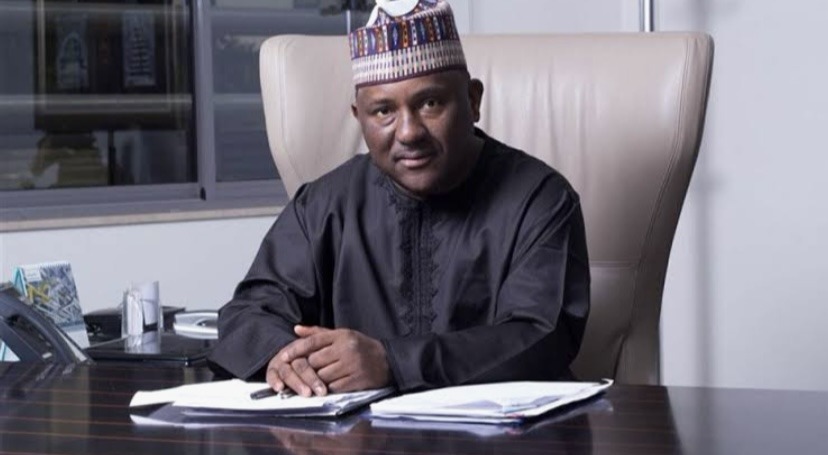
BUA Group Chairman Abdul Samad Rabiu has said Nigeria’s foreign exchange reforms have ended the need for businesses to lobby the Central Bank of Nigeria (CBN) governor for dollar allocations, describing the current system as more market-driven.
Speaking at the 32nd Nigerian Economic Summit in Abuja on October 26, 2026, Rabiu recalled that companies previously had to approach the CBN regularly to secure foreign exchange for importing machinery and other essential equipment.
He said businesses can now purchase dollars through the market at prevailing rates rather than depend on direct allocations from the apex bank.
Rabiu noted that the reforms, alongside other economic policy changes, had come with significant costs for households and businesses.

He stressed that Nigeria must now focus on turning economic stabilisation into increased production, employment and broader prosperity.
The industrialist called for greater investment in manufacturing, agriculture, mining and technology, urging Nigeria to build more large-scale businesses capable of competing internationally.
He cited the cement industry as an example of how local production and sustained investment can reduce dependence on imports and strengthen domestic capacity.
However, Rabiu warned that high borrowing costs remain a major obstacle to industrial expansion.
He said large-scale projects often require 10 to 20 years to generate returns, making expensive short-term loans unsuitable for many manufacturers.
He urged banks, pension funds, insurance companies and development finance institutions to provide more affordable, long-term financing.
He also emphasised the need for reliable infrastructure and consistent government policies to give investors the confidence to commit capital to long-term projects.
Rabiu said Nigeria’s economic progress would depend on cooperation between the government and private sector, alongside investments in skills, infrastructure and productive industries that create jobs and expand exports.




