


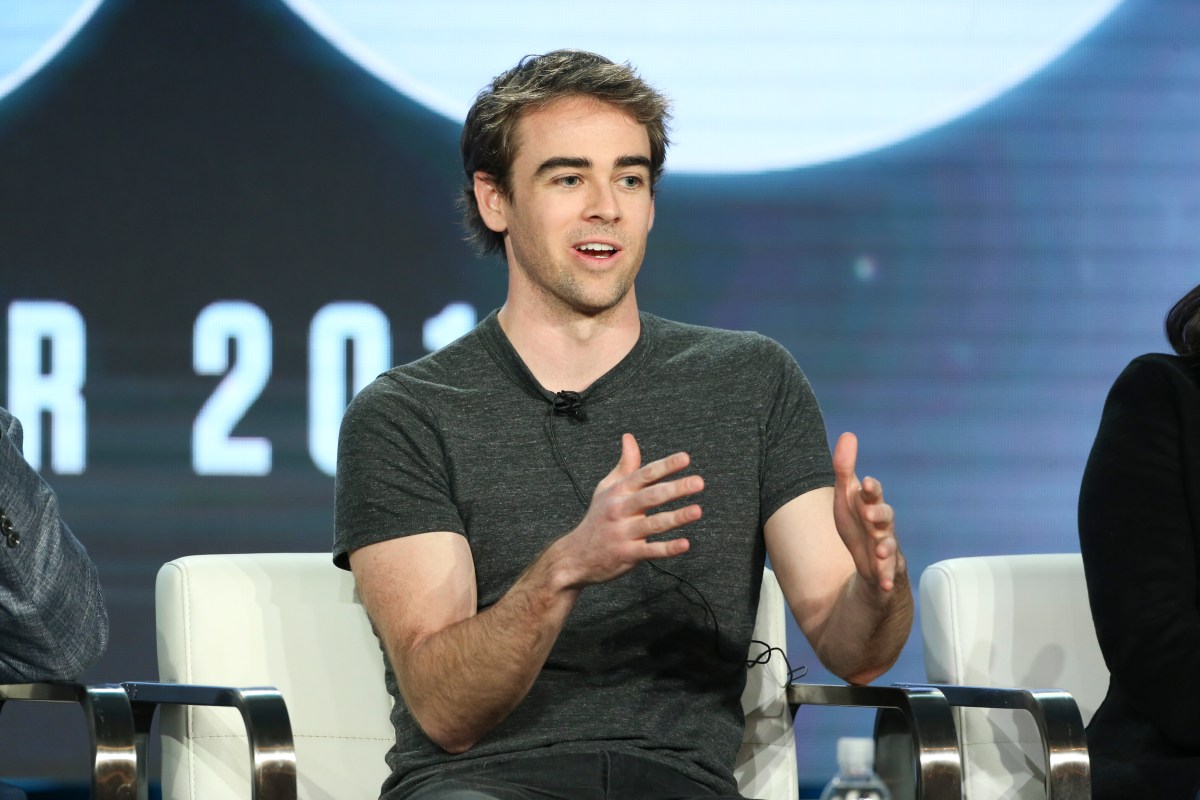
Tyler Shultz says AI’s technical complexity could make it harder for investors to verify startup claims and spot deception.
Theranos whistleblower Tyler Shultz warns that AI may make it harder for investors to spot deception. In an October 30 interview, he said outsiders can struggle to distinguish meaningful technology from a thin layer built on existing AI models. He sees a parallel with scrutiny failures at Theranos. His remarks are a warning, not evidence that a specific AI company committed fraud.
Tyler Shultz’s AI due-diligence warning
Shultz made the comments in a  San Francisco Standard interview following renewed attention to Theranos. He described artificial intelligence as unusually difficult for investors to assess. His concern is that technical complexity can make it harder to test what a company’s product actually does.
“If you want to deceive people, I think this is a great opportunity to go deceive people.” — Tyler Shultz, Theranos whistleblower. He linked that risk to how difficult it can be to evaluate claims about AI. The warning reflects his view, rather than evidence of wrongdoing by a named AI company.
Shultz also described the difficulty of judging AI products. “It’s really hard to tell the difference between something truly unique versus like, a ChatGPT wrapper.” — Tyler Shultz, Theranos whistleblower. Here, a wrapper means an application built around an existing model, not a new model.
Why AI claims can be hard to compare
Investors often assess young companies before their products have long operating histories. With AI, a convincing demonstration may not by itself show how a system performs across real customer tasks. Shultz’s point is that outside investors may find technical claims difficult to check independently.
That does not mean every AI company is hiding its work. Nor does using an existing model prove that a startup lacks value. The risk Shultz describes is that a gap in technical understanding could let exaggerated claims go unchallenged.
He connected that concern to early-stage fundraising. Shultz told  TechCrunch: “I think the days of having a thirty-minute coffee with someone and sending them $100,000 should be over. Elizabeth took that model and scaled it to $100 million.” Tyler Shultz, Theranos whistleblower.
What the Theranos record shows
Shultz joined Theranos after meeting founder Elizabeth Holmes at Stanford. He became a whistleblower who helped expose problems with the company’s blood-testing technology. The  Securities and Exchange Commission alleged that Theranos, Holmes and former president Ramesh Balwani raised more than $700 million through false or misleading claims.
The SEC said Theranos’ proprietary analyzer could perform only a small number of tests. The company conducted most patient tests using modified or standard analyzers made by other companies. Theranos and Holmes settled the SEC’s civil charges without admitting or denying the allegations.
A later criminal case produced a separate result. Holmes was convicted of investor fraud and sentenced to 11 years and three months, the  Justice Department reported. The jury acquitted her on the patient-fraud conspiracy charge and three individual patient-fraud counts. That distinction matters: Holmes was not convicted of patient fraud.
A documentary renews the Theranos debate
The comments came after the release of “You Can See Everything,” a documentary about Holmes.  A24 lists Nathan Fielder and Lance Oppenheim as directors and gives the film’s theatrical date as October 16, 2026. The San Francisco Standard interviewed Shultz about the film and the public’s renewed interest in Theranos.
Shultz said Holmes still shapes public discussion. He told the Standard, “the only reason we’re talking about Elizabeth Holmes right now is because she wants us to be talking about Elizabeth Holmes right now.” That is his interpretation, not a finding in the criminal case.
The film has also brought Shultz’s experience into a new debate. Theranos made claims about a blood-testing device, while AI companies make different technical claims. Shultz argues those claims can be harder for outsiders to evaluate.
What Shultz’s warning does and does not claim
Shultz compares the challenge of scrutiny, not AI itself with Theranos. The SEC allegations and Holmes’s conviction concern specific conduct and evidence. His point is that technical complexity can make founders’ claims harder to check.
Ultimately, Shultz’s remarks caution investors against accepting technical promises without scrutiny. They do not establish that AI startups are broadly deceptive or that a company has committed fraud. His warning will remain part of the debate over how investors assess AI claims.




