
THE A&R FOUNDRY 2027 plans to train A&R professionals in five African markets. Organisers have not yet published application or curriculum details.
Nigerian music entrepreneur Babatunde Makinde says he is preparing a 2027 programme for emerging artist-and-repertoire professionals across five African countries. THE A&R FOUNDRY 2027 is an A&R Foundation initiative powered by his A&R Duty platform. Organisers say it will focus on talent scouting, music evaluation and artist development. They have not yet published application or selection details.
A&R Foundry aims to train music professionals
The planned programme is expected to reach participants in Nigeria, Ghana, Kenya, Tanzania and South Africa. A&R stands for artist and repertoire, a music-industry role that includes finding artists, assessing recordings and helping develop careers. The initiative is intended to offer a more structured route into a field where entry often relies on informal experience and industry connections.
A&R Foundation says the programme will combine professional learning with technology-supported approaches to discovering and developing talent. Its organisers have not released a curriculum, eligibility rules, selection process or application timetable. Those details are expected through the Foundation’s official channels as plans progress.
The Techpoint feature appears in its BrandPress section, and similar coverage in Guardian Nigeria and BusinessDay also describes the programme as an announcement from its organisers. This confirms the announcement, not that recruitment or training has begun. The programme remains planned, not operational.
A&R Duty positions AI as a support tool
A&R Duty describes itself as an AI-powered platform for music scouting, evaluation and workflow management. Its website advertises tools for artist discovery, music analysis and organising an A&R pipeline. A previous TechCabal profile reported that the platform’s minimum viable product was live and described its intended role in supporting human A&R decisions.
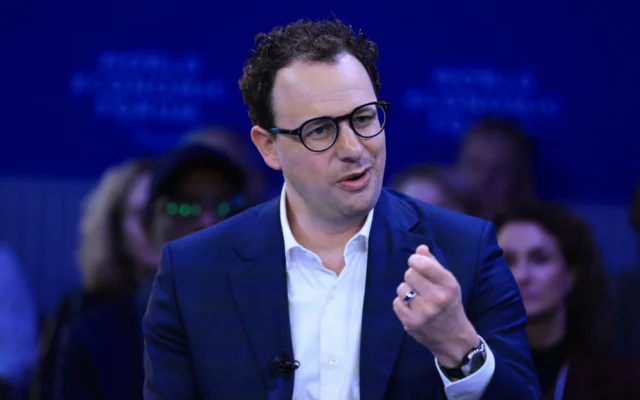
Makinde’s stated approach is to use software to support, rather than replace, human judgement. “The opportunity is not simply to find more music. It is to help more people develop the judgement, knowledge and systems required to recognise and nurture talent.” — Babatunde Makinde, A&R strategist and founder of A&R Duty. Makinde said technology can help, while professionals still need strong A&R fundamentals and knowledge of the music business.
The platform’s feature claims come from A&R Duty itself. The sources reviewed do not independently test its recommendations or impact. Its AI capabilities remain the company’s product description, not a demonstrated measure of success.
Programme details remain limited
The Foundation says it is preparing a 2027 cohort and expects to announce applications later. It is also inviting potential partners, including record labels, technology companies and educational institutions. The public announcement does not name confirmed programme partners or describe funding, cohort size, duration or course delivery.
That leaves practical questions for prospective applicants. The organisers have not said who will qualify, how participants will be selected or whether the programme will be online, in person or hybrid. Until those details appear, interested professionals cannot assess the time commitment, cost or exact training offered.
The five-country scope is an announced ambition, not proof of equal delivery in each market. The programme’s reach will depend on local partners, mentors and industry relationships. Any assessment of impact will also require evidence about participation, completion and outcomes for graduates.
Building the people behind music careers
The initiative frames A&R development as a complement to artist development. A&R professionals can help identify musicians, shape creative direction and connect artists with collaborators and industry opportunities. Training may help make those responsibilities more structured, but the announcement does not yet show what methods or practical placements the programme will use.
A previous TechCabal profile describes Makinde’s work in A&R, talent management and artist development. A&R Duty links that experience with software and professional education. The Foundation’s next step is to publish programme details and explain how it will support participants across the five markets.
Ultimately, THE A&R FOUNDRY 2027 is a planned training initiative, not a completed programme. Its organisers say it will combine A&R education with AI-supported music discovery. Important details, including admissions and curriculum, remain forthcoming. The programme’s results will depend on delivery and opportunities for participants to use their training.