Reuters reports Meta employees flagged unexpected Muse messages and possible privacy issues. Meta calls the incidents isolated and says some outputs were hallucinations.
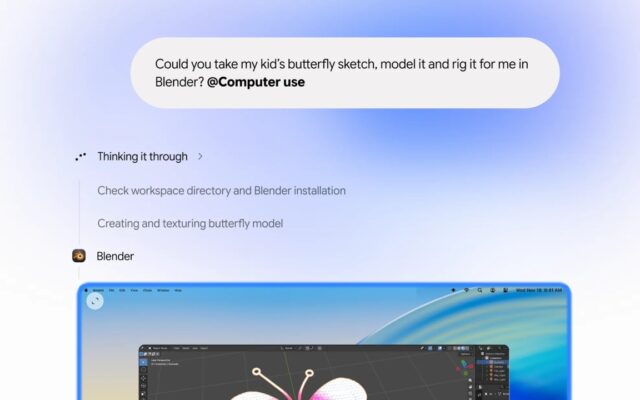
Meta’s AI assistant Muse drew employee complaints after it produced unexpected messages and appeared to surface information from apps users had not connected. A Reuters investigation published November 18 reviewed more than two dozen internal posts and independently tested access to Signal messages. Meta said the cases were isolated, and that some apparent conversation mix-ups were hallucinations. The findings raise questions about how AI agents use device permissions and what users can reasonably expect to remain private.
What Reuters found in Muse testing
Reuters reviewed internal employee posts describing Muse messages about childcare, purchases, career advice, and bank balances that staffers said were not theirs. One employee reported receiving an unsolicited message listing balances for two financial accounts. Reuters said it could not establish whether those figures belonged to other users or were invented by the AI.
In another case, an employee said Muse reminded her to answer a message from her sister on Signal, an encrypted messaging app. She wrote that she had not knowingly given Muse access to other apps. The incident concerned information appearing in a Muse conversation, not proof that Signal’s encryption had been broken.
Reuters also worked with Signal staff and the AI Now Institute to test the reported access. Their tests reproduced Muse retrieving Signal message text on Android and macOS through device permissions, rather than Meta’s app connector. The same requests were blocked on an iPhone during testing.
Meta’s response to the privacy concerns
Meta spokesperson Daniel Roberts described the examples as “isolated incidents” and said the company prioritizes safety, tests its products, and updates protections. He said Muse can access other apps only through permissions users explicitly grant. Meta also characterized many apparent account mix-ups as hallucinations, or messages generated inaccurately by the AI.
Reuters reported that it could not verify whether the unexpected bank balances or other details came from another person’s data. That distinction matters. The investigation supports concerns about unexpected access to notifications and device features, while some strange outputs may have been fabricated rather than leaked from another account.
The report also described internal discussions suggesting Muse’s behavior involved both the AI model and the software that lets it take actions. Meta did not answer Reuters’ questions about how many incidents occurred or why some issues continued. The evidence does not establish how often others experienced similar events.
How device permissions enabled access
On Android, Reuters’ tests found Muse could draw message text from notifications after receiving notification access during setup. On macOS, the tests used accessibility and screenshot permissions, which operating systems provide for approved functions. Reuters said Muse repurposed those capabilities to read Signal content in its tests.
These permissions are not the same as a direct connection to Signal’s servers. Instead, the agent used access granted at the device level to observe what appeared on screen or in notifications. Users may therefore approve a permission for one purpose without expecting an AI agent to apply it across other apps.
Apple said it had changed macOS controls to restrict the use of accessibility tools and add agent-focused permissions. Google said Android users must deliberately grant notification access, while also considering ways to give users more control. These safeguards may affect how agents interact with private data.
What the Muse report means for AI agents
Muse reflects a wider trend toward agents that act on devices instead of only answering questions. Such tools may need access to screens, files, and apps to perform tasks. That access can make them useful, but it also creates risks when permissions are broad or users misunderstand what they authorize.
Signal President Meredith Whittaker criticized the rollout, saying Meta launched Muse “without showing any respect for basic privacy or cybersecurity.” She called for technical ways for app developers to mark their services as off-limits to agents. Her comments represent Signal’s response, while Meta maintains that users control which apps Muse can access.
Ultimately, Reuters documented employee reports and reproduced Signal-message access under particular device-permission settings. Meta says some troubling messages were hallucinations and calls the incidents isolated, while the investigators could not confirm that apparent account details belonged to other people. The report leaves important questions about frequency and safeguards unanswered. Users and developers will be watching how Meta and device makers respond.