


ABUJA, NIGERIA — The Nigeria Police Force has strengthened its collaboration with technology companies to identify individuals responsible for creating and circulating deepfake videos, manipulated photographs and other forms of artificial intelligence-generated disinformation ahead of the 2027 general elections.
The initiative is part of efforts to protect Nigeria’s electoral process from digital manipulation, prevent the spread of fabricated political information and strengthen public confidence in the forthcoming polls.
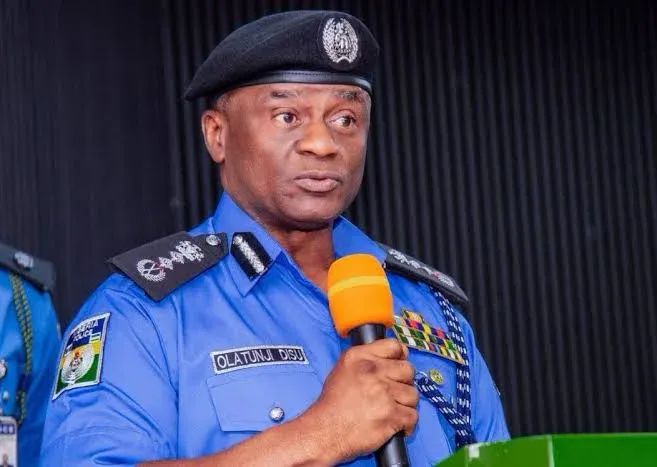
Assistant Commissioner of Police Bashir Abdullahi, who represented the Inspector-General of Police, Olatunji Disu, disclosed the development during a webinar organised by the PUNCH Media Foundation on Wednesday, November 11, 2026.
The webinar, themed “AI Misinformation and Nigeria’s 2027 Elections: Safeguarding the Truth, Protecting the Vote,” brought together security officials, electoral stakeholders, media practitioners and civil society representatives to examine the growing influence of artificial intelligence on political communication and election security.

Abdullahi explained that the police had established working relationships with major technology companies, including Meta and TikTok, to support investigations into suspicious online activities.
He said the collaboration would enable investigators to obtain relevant user information, trace the locations from which misleading content originated and preserve digital evidence for possible prosecution.
According to him, the Nigeria Police Force has also strengthened its cybercrime investigation capacity through the establishment of the National Cybercrime Centre following the 2023 general elections.
The centre operates a security monitoring mechanism designed to identify, examine and verify suspicious digital content, particularly materials suspected to have been generated or manipulated using artificial intelligence.
Abdullahi disclosed that the police had already investigated cases involving deepfake videos, including a manipulated recording allegedly depicting President Bola Tinubu making statements he never made.
He said investigators traced and arrested the individual responsible for the video. During questioning, the suspect reportedly claimed that the material was produced as an experiment.
The police representative warned that the force would investigate and prosecute individuals found deliberately creating or circulating false information capable of threatening public safety or undermining the electoral process.
He, however, emphasised that the enforcement measures would not be used to suppress legitimate political opinions or constitutionally protected freedom of expression.
He maintained that investigations and arrests would be guided by credible information, sufficient evidence and applicable legal provisions.
The police have also acquired cybersecurity tools which, according to Abdullahi, can detect deepfake videos, cloned voices and other forms of AI-generated manipulation with up to 99 per cent accuracy.
He said the technology would strengthen the ability of investigators to establish the authenticity of suspicious photographs, audio recordings and videos circulating on digital platforms.
The police also cited the growing use of coordinated online operations to manipulate public opinion as another emerging threat. Such activities can involve multiple devices and automated accounts designed to create the false impression that a particular political narrative enjoys widespread public support.
The concerns extend beyond fabricated videos and photographs to include cloned voices, false election announcements, manipulated campaign materials and misleading reports attributed to political candidates or public institutions.
Also speaking at the webinar, Director of Programmes at Yiaga Africa, Cynthia Mbamalu, warned that disinformation could weaken public trust in electoral institutions and discourage citizens from participating in elections.
She urged the Independent National Electoral Commission to strengthen its communication strategy through timely public information, regular briefings and clear channels for verifying official announcements.
Mbamalu also called for cooperation among INEC, security agencies, civil society organisations and media practitioners to anticipate and respond to potential digital threats.
Meanwhile, Director of Projects at the Cable Newspaper Journalism Foundation, Mayowa Tijani, urged media organisations to establish clear policies governing the use of artificial intelligence in news production.
He stressed that AI-generated images should be properly identified to prevent audiences from mistaking synthetic illustrations for authentic photographs.
The discussions highlighted the need for a coordinated response involving law enforcement agencies, technology companies, electoral authorities, journalists and citizens.
As Nigeria approaches the 2027 general elections, the growing use of artificial intelligence presents both opportunities and risks for democratic participation. The effectiveness of the police initiative will depend not only on its technological capacity but also on transparent investigations, respect for constitutional rights and the ability to distinguish deliberate disinformation from legitimate public debate.




