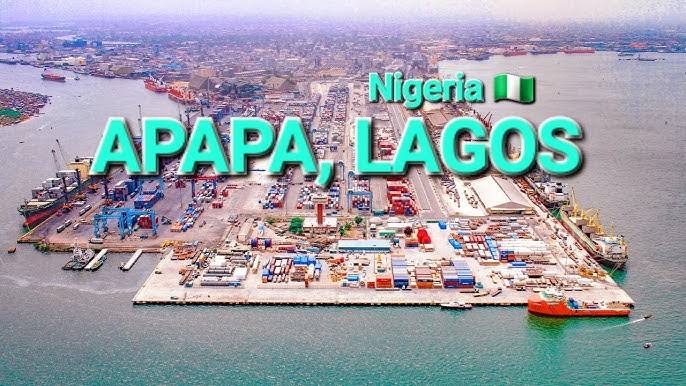
Nigeria’s busiest seaports, Apapa and Tin Can Island, are facing declining cargo volumes and slower vessel operations as delays to a N1.3trn reconstruction project prolong infrastructure challenges across the maritime sector.
The two ports handle more than 85 per cent of Nigeria’s trade, according to the National Bureau of Statistics.
However, ageing facilities and inadequate cargo-handling equipment continue to affect their efficiency.
Apapa Port, commissioned in 1926, is nearly 100 years old, while Tin Can Island Port began operations in 1977.
Data from the Nigerian Ports Authority showed that Apapa’s cargo throughput fell by five per cent to 535,000 tonnes in the first half of 2026.
Vessel turnaround time also increased from 5.9 days to 6.1 days. At Tin Can Island, vessel calls declined by 3.4 per cent to 488, while turnaround time rose from 4.4 days to 5.1 days.
The Federal Government’s planned reconstruction, backed by a £746m UK financing agreement, is expected to address deteriorating quay walls, improve cargo-handling facilities and accommodate larger vessels.
However, eight months after the agreement was signed in March 2026, physical reconstruction had yet to begin, despite earlier construction deadlines.
The prolonged delays have increased logistics costs for importers and exporters, with businesses facing higher demurrage charges and longer cargo clearance periods.
The project is expected to take 48 months to complete, making timely mobilisation critical to improving Nigeria’s port competitiveness against regional rivals such as Lomé and Tema.
Source: Business day