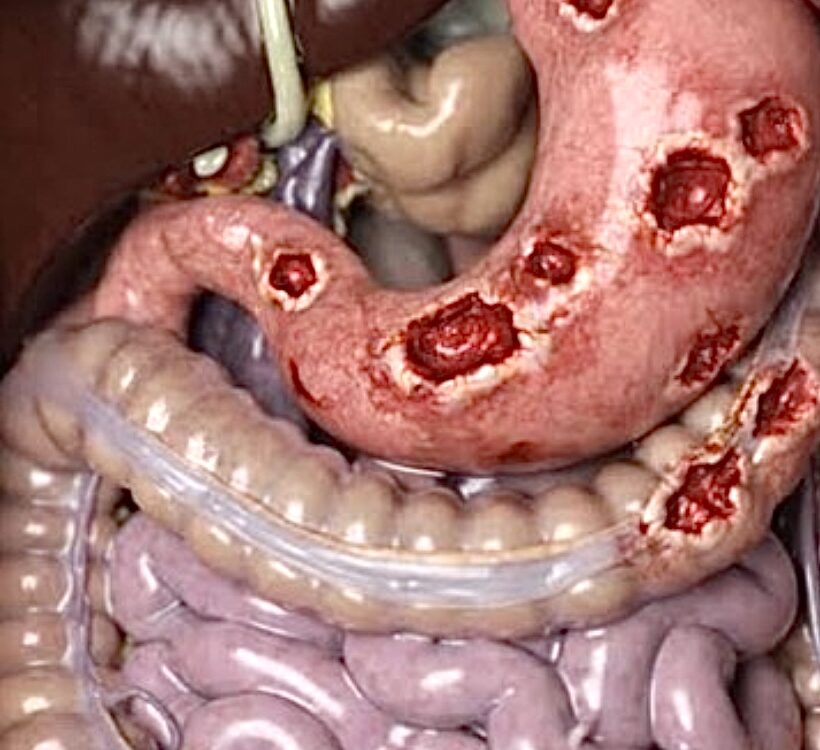
Peptic ulcer remains a significant digestive health concern affecting millions of people worldwide, with health awareness campaigns emphasising the importance of early diagnosis, proper medication and healthy lifestyle practices to prevent complications associated with the condition.
Peptic ulcer disease occurs when open sores develop on the inner lining of the stomach or the upper part of the small intestine, known as the duodenum. These sores develop when the protective lining of the digestive tract becomes damaged, allowing stomach acid to irritate the underlying tissues.
Although many people commonly associate peptic ulcers with hunger, excessive consumption of spicy foods and stress, medical evidence identifies two major causes: infection with a bacterium known as Helicobacter pylori (H. pylori) and the prolonged or inappropriate use of certain pain-relieving medications.
Medical professionals continue to encourage individuals experiencing persistent stomach pain, frequent indigestion and other digestive discomforts to seek medical attention rather than relying on self-medication.
UNDERSTANDING PEPTIC ULCER
Peptic ulcers are generally classified into two major types: gastric ulcers and duodenal ulcers.
Gastric ulcers develop inside the stomach, while duodenal ulcers occur in the upper section of the small intestine.
The condition develops when the stomach’s protective mucus barrier becomes weakened, allowing digestive acid to damage the tissues beneath it.
One of the major causes is an infection caused by Helicobacter pylori, a bacterium that can survive in the stomach and damage its protective lining.
Another significant cause is the frequent or prolonged use of non-steroidal anti-inflammatory drugs (NSAIDs), including medications such as ibuprofen, aspirin and naproxen.
These medications are commonly used to relieve pain, fever and inflammation. However, excessive or prolonged use without appropriate medical guidance can increase the risk of developing stomach ulcers.
COMMON SIGNS AND SYMPTOMS OF PEPTIC ULCER
Recognising the symptoms of peptic ulcer is important because early medical intervention can prevent the condition from becoming severe.
Some people experience mild symptoms, while others may develop serious complications without experiencing obvious warning signs.
Common symptoms include:
- Burning stomach pain: This is one of the most common symptoms. The pain is usually felt in the upper abdomen, between the chest and the belly button.
- Frequent indigestion: Individuals may experience repeated discomfort, especially after eating.
- Nausea and vomiting: Some people experience persistent feelings of sickness and occasional vomiting.
- Abdominal bloating: Excessive gas and a feeling of fullness may occur.
- Loss of appetite: Some individuals may avoid eating because of discomfort or fear of experiencing stomach pain.
- Feeling full quickly: A person may feel unusually full after eating only a small quantity of food.
- Unexplained weight loss: Persistent digestive discomfort may affect eating habits and contribute to weight loss.
Symptoms may differ from one individual to another. Therefore, anyone experiencing persistent or recurring abdominal pain should undergo proper medical assessment.
MYTHS AND FACTS ABOUT PEPTIC ULCER
There are several misconceptions surrounding peptic ulcer, particularly the belief that skipping meals or eating spicy foods directly causes the condition.
However, medical research has established that spicy foods and stress are not the primary causes of peptic ulcers.
Although stress and certain foods may worsen symptoms in some individuals, the major causes remain H. pylori infection and the use of certain anti-inflammatory medications.
Similarly, skipping meals does not directly create an ulcer, although irregular eating patterns may worsen discomfort in people who already have the condition.
Understanding these facts is important in helping people avoid misinformation and seek appropriate treatment.
DANGERS AND POSSIBLE COMPLICATIONS
Peptic ulcers should not be ignored because untreated cases can lead to serious health complications.
One of the most dangerous complications is internal bleeding, which may occur when an ulcer damages blood vessels in the stomach or intestine.
Symptoms of bleeding may include vomiting blood, vomiting material that looks like coffee grounds, passing black, tarry stools, weakness and dizziness.
Another serious complication is perforation, which occurs when an ulcer creates a hole in the wall of the stomach or intestine. This can cause severe abdominal pain and a potentially life-threatening infection within the abdomen.
Ulcers may also cause blockage in the digestive tract, making it difficult for food to pass normally.
Anyone experiencing sudden, severe abdominal pain, vomiting blood or passing black, tarry stools should seek emergency medical attention immediately.
PREVENTIVE MEASURES AGAINST PEPTIC ULCER
Although not every case of peptic ulcer can be prevented, individuals can reduce their risk by adopting healthier practices and avoiding certain risk factors.
Important preventive measures include:
1. Avoid Self-Medication: Individuals should avoid taking painkillers such as ibuprofen and aspirin frequently without medical advice, particularly if they have a history of stomach ulcers.
2. Practise Proper Hygiene: Regular handwashing with soap and clean water, safe food preparation and drinking clean water are important general hygiene practices that help reduce the risk of infections.
3. Avoid Smoking: Smoking can increase the risk of ulcers and interfere with the healing process.
4. Limit Alcohol Consumption: Alcohol may irritate the stomach lining and worsen ulcer symptoms. Individuals experiencing ulcer symptoms should avoid excessive alcohol consumption.
5. Maintain Healthy Eating Habits: Eating balanced meals and avoiding foods or drinks that trigger personal symptoms can help improve digestive comfort. However, no particular food or special diet has been proven to cure peptic ulcers.
6. Seek Medical Attention Early: Persistent stomach pain, frequent indigestion and unexplained digestive discomfort should not be ignored. Early diagnosis helps prevent complications.
7. Complete Prescribed Treatment: Individuals diagnosed with H. pylori infection should take their prescribed medications exactly as directed by their healthcare providers.
TREATMENT AND MEDICAL MANAGEMENT
The treatment of peptic ulcer depends largely on its underlying cause.
Healthcare professionals may recommend tests such as stool tests, breath tests or blood tests to investigate H. pylori infection. In some cases, an upper gastrointestinal endoscopy may be necessary to examine the stomach and identify ulcers.
When H. pylori infection is responsible, treatment generally involves a combination of antibiotics and acid-reducing medication.
Doctors may also prescribe proton pump inhibitors (PPIs), which reduce stomach acid production and allow the damaged lining to heal.
For ulcers caused by anti-inflammatory medications, healthcare professionals may recommend stopping, reducing or changing the medication, depending on the patient’s medical needs.
Patients are strongly advised against stopping prescribed treatment prematurely because incomplete antibiotic treatment may contribute to antibiotic resistance and persistent infection.
Follow-up testing may also be recommended to confirm that the H. pylori infection has been successfully eliminated.
Peptic ulcer is a treatable medical condition, but ignoring its symptoms or relying on unprescribed medications can expose individuals to serious health complications.
As public health awareness continues to grow, Nigerians are encouraged to understand the actual causes of peptic ulcer, recognise its warning signs and seek professional medical attention when necessary.
The belief that every stomach pain is caused by hunger or excessive consumption of spicy foods should be discouraged. Proper medical investigation is essential to identify the underlying problem and provide appropriate treatment.
The message is clear: Avoid self-medication, practise healthy habits, seek early medical attention and complete prescribed treatment. Protecting digestive health begins with the right information and timely medical care.