ABUJA, NIGERIA — The Independent National Electoral Commission (INEC) has cautioned political parties, election observers, media organisations and other stakeholders against presenting independently collated election figures as officially declared results ahead of Nigeria’s 2027 general elections.
The commission warned that premature declarations and the circulation of unverified figures could mislead voters, create conflicting accounts of election outcomes and undermine public confidence in the electoral process.
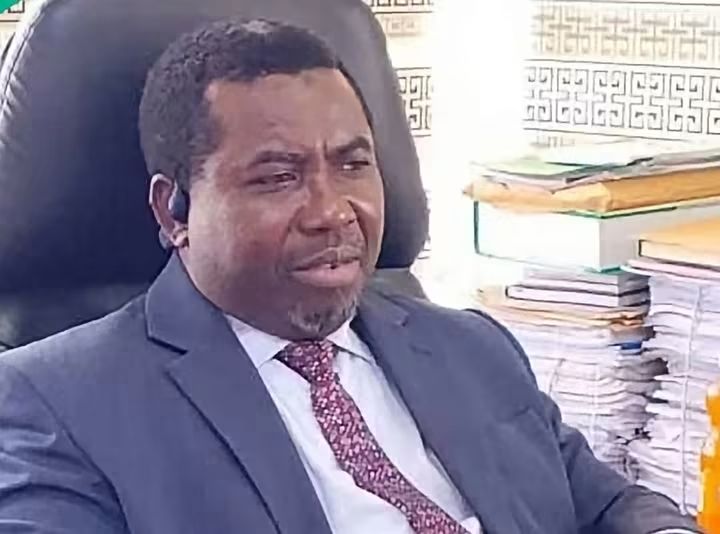
INEC Chairman, Professor Joash Amupitan, has repeatedly emphasised that the commission retains the statutory responsibility for declaring election results and announcing winners. He has urged stakeholders to respect the established electoral process and ensure that information released to the public is accurately verified and properly identified.
The warning forms part of the commission’s broader preparations for the 2027 elections, as political parties, civil society organisations and technology-driven election monitoring groups increasingly develop independent systems for collecting, analysing and sharing polling-unit information.
Speaking at the 24th All Nigeria Editors Conference in Enugu on September 24, Amupitan cautioned media organisations against publishing privately collated figures as official outcomes. He argued that competing figures circulating through social media and other communication channels could generate confusion, particularly when the commission is still conducting statutory collation.
He also urged newsrooms to strengthen fact-checking procedures and guard against manipulated election materials, including fabricated result sheets, misleading videos and artificial intelligence-generated content.
At a subsequent stakeholders’ engagement in Abuja on October 6, the INEC chairman reiterated the need for journalists to verify election-related information through the commission before publication. He maintained that the authority to formally declare election results rests with INEC under the applicable electoral framework.
The commission’s concerns extend beyond traditional media platforms. Political parties and observer organisations are also expected to communicate their findings responsibly, making clear whether information represents direct observations, independently collected figures, projections or results formally declared by authorised electoral officers.
However, the debate has exposed an important distinction between independently collecting election information and formally declaring an election winner.
The African Democratic Congress (ADC), responding to INEC’s earlier warning in October, argued that political parties and citizens have the right to document polling-unit results and share verified information with the public. The party said its agents would record results and transmit the figures to its internal collation structures, while clearly identifying them as independently collated rather than official declarations.
The ADC maintained that independent monitoring and documentation should not be interpreted as an attempt to take over INEC’s constitutional responsibilities. Its position reflects a wider argument among election stakeholders that transparency requires public access to information generated at polling units.
Election experts have similarly stressed the importance of distinguishing between reporting results already announced at polling units and declaring a candidate the winner of an election. Polling-unit results can be documented and reported, but the final outcome may still be affected by the remaining collation process, legally recognised cancellations and other requirements under the electoral framework.
Samson Itodo, an election and democracy advocate, explained in an October 25 analysis that responsible reporting of results already announced at polling units is different from declaring an election winner. He argued that media organisations and observers can contribute to transparency by sharing verified information without presenting their independent calculations as the final statutory outcome.
The debate is particularly significant as Nigeria prepares for another nationwide electoral exercise in an increasingly digital information environment. Social media platforms allow election-related claims to spread rapidly, sometimes before journalists, observers or electoral officials have established their accuracy.
INEC has therefore urged media organisations to establish dedicated election desks, strengthen editorial verification systems and educate citizens about identifying manipulated information. The commission has also encouraged stakeholders to use established channels for reporting irregularities and challenging disputed outcomes.
For political parties and observer groups, the challenge will be to maintain independent oversight while communicating findings in a manner that does not confuse voters or create competing claims of official authority.
As preparations for the 2027 general elections continue, the distinction between independent verification and formal declaration is expected to remain central to discussions about electoral transparency, public accountability and confidence in Nigeria’s democratic process.