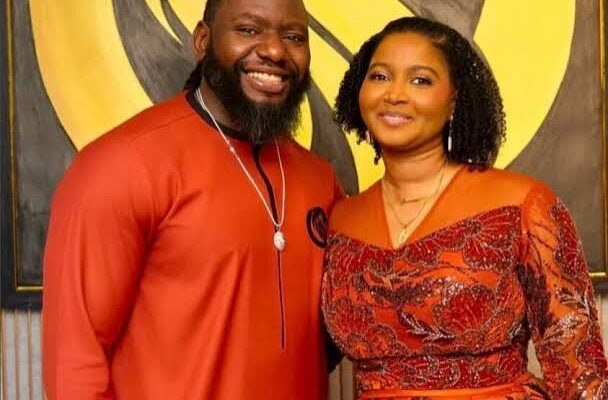
A viral video of a Nigerian mother advising her daughter to preserve her marriage despite her husband’s infidelity has sparked heated discussions on social media, reigniting debates about marital loyalty, forgiveness, self-worth and the expectations placed on women in relationships.
In the video, the mother reportedly advised her daughter not to allow another woman to destroy her marriage, suggesting that a wife could tolerate her husband’s infidelity as long as the other woman did not interfere with the home or challenge her position as his wife.
The advice has drawn mixed reactions, with some women describing it as practical wisdom based on the realities of marriage and traditional values, while others criticised it as an outdated mindset that encourages women to endure emotional pain and disrespect.
Supporters of the mother’s position argued that marriage involves sacrifices and that not every marital challenge should result in separation. Some referenced cultural and religious beliefs that have historically encouraged women to remain in their marriages despite their husbands’ shortcomings.
Others, however, questioned why women should be expected to tolerate behaviour that would often be condemned if the roles were reversed, arguing that infidelity undermines trust and emotional security in a relationship.
The debate has also been fuelled by other relationship-related discussions circulating online, including a post attributed to Eloho Johnson, who reportedly praised her husband for remaining faithful despite the challenges of distance and immigration restrictions separating Nigerian couples from their spouses abroad.
Her experience has been cited by some social media users as an example of commitment, patience and trust in marriage, particularly when couples are forced to live apart for extended periods.
Meanwhile, stories of women discovering messages allegedly showing their partners communicating romantically with other women have also contributed to the growing conversation about trust and emotional boundaries in relationships.
The contrasting experiences have prompted Nigerians to question whether faithfulness should be considered a basic expectation in marriage or whether couples should be prepared to navigate situations involving infidelity through forgiveness, compromise and communication.
While some believe forgiveness can help preserve marriages, others insist that forgiving a cheating partner should not mean accepting repeated betrayal or sacrificing one’s emotional well-being.
The conversations have also highlighted the pressure many women face from family members and society to remain married, even when their relationships become emotionally distressing.
As reactions continue to spread online, Nigerians remain divided over whether a woman’s priority should be preserving her marriage at all costs or protecting her dignity, peace of mind and personal happiness.
The debate has once again brought the complexities of marriage, cultural expectations and changing attitudes towards infidelity into the spotlight.