Iranian authorities have flogged singer Parastoo Ahmadi and four members of her concert team, sentencing each to 74 lashes over a performance in which she appeared without the mandatory hijab.
Defence lawyer Mostafa Nili confirmed the punishment on Monday, according to the human rights organisation Iran Human Rights (IHRNGO), which reported the development in a post on X.
The sentences were carried out at the Sentence Enforcement Unit of the Qom Prosecutor’s Office against Ahmadi, concert organiser Mohsen Lashkari and musicians Soheil Faghih-Nasiri, Amin Taheri and Amir-Ali Pirnia.
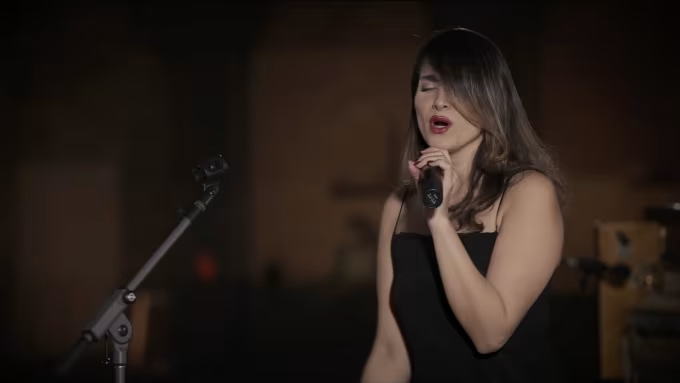
The case followed the online release of Ahmadi’s “Caravanserai Concert”, filmed in December 2024 at the historic Deir-e Gachin Caravanserai near Qom.
The performance, which had no live audience, showed Ahmadi singing alongside male musicians while wearing a long black sleeveless dress with her hair uncovered, in defiance of Iran’s compulsory hijab rules.
Mahmood Amiry-Moghaddam, director of IHRNGO, told CNN that Ahmadi’s appearance was a major factor in the punishment.
He added that the prosecution also concerned her public singing and what he described as her broader challenge to Iranian authorities.
Shortly after the video was released, the judiciary-affiliated Mizan News Agency announced that authorities had opened a case against Ahmadi and members of the production team over what it called an “illegal concert”. It said the performance violated the country’s legal and religious standards.
A court subsequently convicted the five over what it described as offending public decency through the production and distribution of vulgar and immoral online content.
Apart from the flogging, they were handed two-year bans on artistic and musical activities, as well as foreign travel. An appeals court upheld the ruling in September.
Amnesty International has described flogging as cruel, inhuman and degrading punishment.
The rights group also accused Iranian authorities of increasingly using detention, prosecution and flogging against singers, journalists and women’s rights activists who challenge compulsory veiling.
The case comes amid continued restrictions on female performers in Iran. Singer Hiva Seyfizadeh was sentenced by a lower court to four years in prison over allegations of “encouraging corruption and prostitution” after performing traditional Iranian music in Tehran in February 2025.
In a social media video posted in August, Seyfizadeh said she had performed only a few verses from the works of 13th-century Persian poet Saadi Shirazi.
She questioned how the performance could amount to encouraging corruption or prostitution and said she intended to appeal.
Iranian authorities had not immediately commented on the reported enforcement of the flogging sentences.