A healthy diet is one of the most important foundations of good health and general wellbeing. Health experts continue to emphasise the importance of proper nutrition, warning that unhealthy eating habits can increase the risk of developing several diseases, including obesity, diabetes, high blood pressure and heart disease.
Diet refers to the types and quantities of food and drinks a person regularly consumes. What individuals eat daily plays a significant role in how their bodies function, grow, repair damaged tissues and fight infections.
With the increasing consumption of fast foods, sugary drinks, processed snacks and foods containing excessive salt and unhealthy fats, many people are unknowingly putting their health at risk.
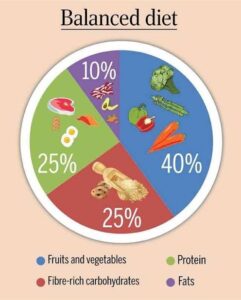
According to nutrition experts, maintaining a healthy diet does not mean avoiding favourite meals or starving oneself. Rather, it involves eating a variety of foods that provide the body with essential nutrients in the right proportions.
Importance of a Healthy Diet
A balanced diet provides the body with nutrients needed to maintain energy, strengthen the immune system and support proper growth and development.
Carbohydrates provide energy for daily activities, while proteins help repair body tissues and build muscles. Healthy fats support brain function and help the body absorb certain vitamins.
Fruits and vegetables provide essential vitamins, minerals and fibre that support digestion and help protect the body against nutritional deficiencies.
Drinking enough clean water is also important because water helps regulate body temperature, supports digestion and ensures that different organs function properly.
A healthy diet can also help individuals maintain a healthy body weight and reduce the risk of developing diet-related diseases.
Dangers of Unhealthy Eating Habits
Poor dietary choices can have serious consequences for the body, especially when unhealthy eating becomes a regular habit.
Excessive consumption of sugary foods and beverages can contribute to weight gain, tooth decay and an increased risk of type 2 diabetes.
Similarly, eating too much salt can contribute to high blood pressure, increasing the risk of stroke and heart-related complications.
Regular consumption of foods high in unhealthy fats may also increase the risk of cardiovascular diseases.
Skipping meals, eating too little or following extreme weight-loss diets without professional guidance can also deprive the body of essential nutrients.
Another major concern is malnutrition, which occurs when the body receives insufficient, excessive or unbalanced nutrients. It can affect children, adults and older people, leading to poor growth, weakened immunity and other health complications.
Foods to Include in Your Daily Diet
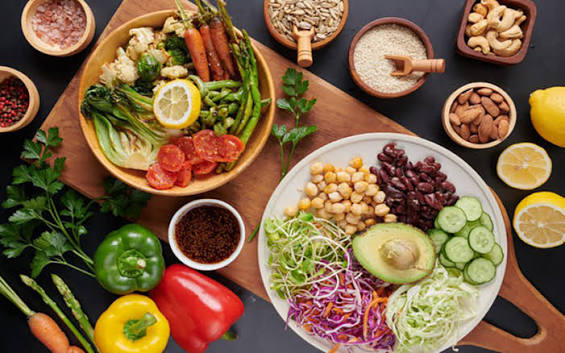
Maintaining a healthy diet does not necessarily require expensive food. Nigerians can obtain important nutrients from locally available foods.
Some recommended food choices include:
- Fruits: Oranges, bananas, pawpaw, watermelon and apples.
- Vegetables: Ugu, spinach, carrots, cabbage and okra.
- Protein: Fish, eggs, beans, chicken and other legumes.
- Whole grains: Oats, brown rice and whole-wheat products.
- Healthy fats: Avocados, groundnuts, seeds and appropriate amounts of vegetable oils.
Individuals should also reduce excessive consumption of processed foods, sugary drinks, deep-fried meals and foods containing too much salt.
Healthy Eating Habits Everyone Should Adopt
Health professionals encourage individuals to develop healthy eating habits from an early age.
Some important practices include eating different types of fruits and vegetables, drinking enough water, controlling food portions and avoiding excessive consumption of sugary and salty foods.
People should also practise proper food hygiene by washing fruits and vegetables thoroughly, cooking meals properly and storing food safely to prevent contamination and food poisoning.
Combining a balanced diet with regular physical activity, adequate sleep and other healthy lifestyle practices can further improve overall wellbeing.
Individuals living with medical conditions such as diabetes, hypertension or kidney disease should seek professional nutritional advice because their dietary requirements may differ.
A healthy diet is not just about satisfying hunger; it is about providing the body with the nutrients it needs to function properly and remain healthy.
Everyone is encouraged to pay attention to their daily food choices and make gradual improvements where necessary. Small changes, such as eating more vegetables, choosing fresh fruits, drinking more water and reducing excessive salt and sugar, can contribute to better health over time.
Good nutrition should not be treated as an occasional practice but as a daily responsibility.
Remember, the food you eat today can influence your health tomorrow. Eat wisely, live healthily and make good nutrition a priority.
Your Daily Food Choices Matters To Your Health

Got News? Report it to DDM.
Send a tip