Piles, medically known as haemorrhoids, are a common health condition affecting millions of people worldwide. Despite their prevalence, many people are reluctant to discuss the condition because of embarrassment, fear or misconceptions surrounding symptoms associated with the anus and rectum.
Health experts say piles occur when blood vessels in or around the anus and lower rectum become swollen and inflamed, sometimes causing pain, itching, discomfort and bleeding during bowel movements. Although the condition is often not life-threatening, untreated or severe cases can significantly affect a person’s quality of life.
Piles can develop in people of different ages, although the risk increases with age, pregnancy, prolonged sitting, constipation and other factors that put pressure on the blood vessels around the rectum.
What Are Piles?
Haemorrhoids are normal structures in the human body that help control bowel movements. They become a medical problem when the blood vessels swell, become irritated or enlarge beyond their normal size.
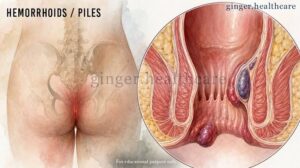
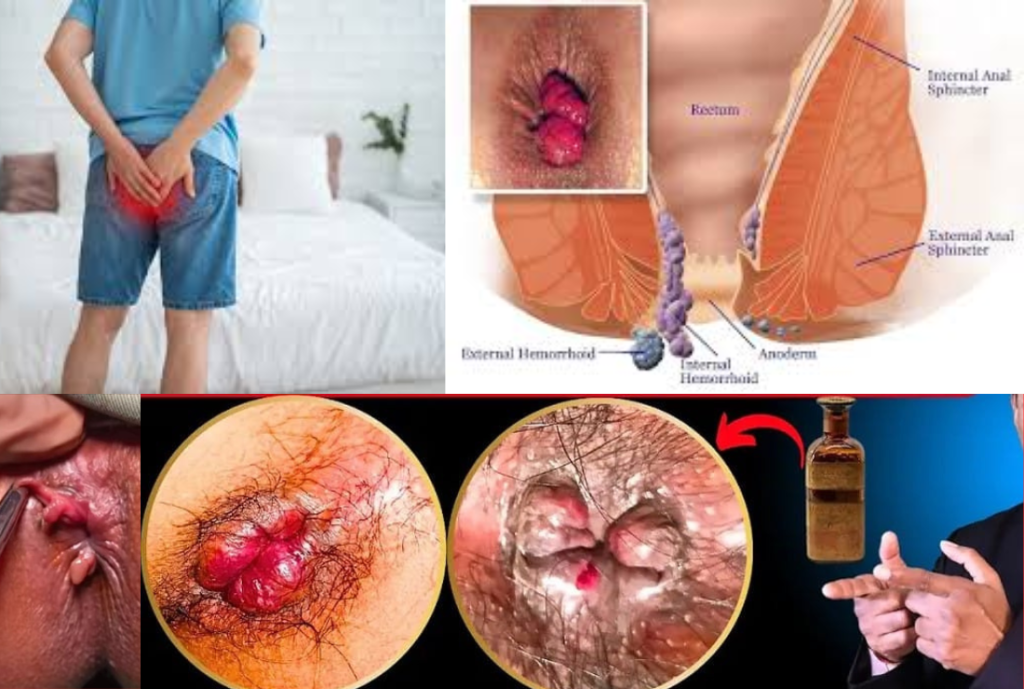
Piles are generally classified into two major types: internal and external haemorrhoids.
Internal piles develop inside the rectum and may not cause noticeable pain because the area has fewer pain-sensitive nerves. However, they can produce bright red blood during or after bowel movements. In some cases, the swollen tissue may protrude through the anus, particularly during straining.
External piles develop beneath the skin around the anus. They may cause itching, swelling, pain and discomfort, especially when sitting, walking or passing stool. A blood clot may occasionally form inside an external haemorrhoid, resulting in a painful lump.
Common Causes and Risk Factors
Several factors can contribute to the development of piles. One of the major causes is constipation, particularly when a person repeatedly strains while attempting to pass hard stool.
Straining increases pressure on the blood vessels around the rectum, causing them to swell. Chronic constipation and prolonged sitting on the toilet may further increase the risk.
Other contributing factors include:
- A diet low in fibre.
- Insufficient water intake.
- Prolonged sitting or standing.
- Pregnancy, due to increased pressure in the pelvic region.
- Obesity or excessive body weight.
- Heavy lifting that involves repeated straining.
- Age-related weakening of tissues supporting the rectal blood vessels.
- Chronic diarrhoea or frequent bowel movements.
Health professionals advise that people who experience persistent constipation should seek medical advice rather than rely on repeated self-medication.
Symptoms People Should Not Ignore
The symptoms of piles vary depending on their severity and location. Some people may have haemorrhoids without experiencing noticeable symptoms, while others may experience significant discomfort.
Common symptoms include bright red blood on toilet paper or in the toilet bowl after passing stool, itching around the anus, pain or discomfort, swelling, a lump near the anus and a feeling that the bowel has not emptied completely.
Bleeding during bowel movements should not automatically be attributed to piles. Other medical conditions, including anal fissures, inflammatory bowel disease and colorectal cancer, may also cause rectal bleeding.
Doctors therefore recommend that individuals experiencing unexplained, persistent or recurrent bleeding seek medical evaluation, particularly if accompanied by weight loss, changes in bowel habits, weakness or abdominal pain.
Prevention Through Healthy Lifestyle Habits
Although not all cases of piles can be prevented, certain lifestyle changes can reduce the risk of developing the condition and help relieve symptoms.
Eating fibre-rich foods such as fruits, vegetables, beans, whole grains and nuts can help soften stool and make bowel movements easier. Drinking adequate water throughout the day also supports healthy digestion.
Regular physical activity helps improve bowel function and reduces the likelihood of constipation. Individuals are encouraged to avoid sitting on the toilet for extended periods and should not strain excessively when passing stool.
Responding promptly to the urge to defecate instead of delaying bowel movements may also help prevent constipation.
Pregnant women and people whose jobs require prolonged sitting are encouraged to adopt healthy bowel habits and discuss persistent symptoms with healthcare professionals.
Treatment and When to Seek Medical Care
Treatment depends on the severity of the condition. Mild piles may improve with increased fibre intake, adequate hydration, warm sitz baths and lifestyle adjustments.
Some over-the-counter creams, ointments and suppositories may provide temporary relief from itching and discomfort. However, prolonged use of certain medications, particularly steroid-containing creams, should be avoided without medical guidance.
For more severe or persistent cases, healthcare providers may recommend procedures such as rubber band ligation, injection therapy or surgical removal of haemorrhoids.
Medical attention should be sought immediately when bleeding is heavy, pain is severe, dizziness occurs or symptoms worsen suddenly.
Breaking the Silence Around Piles
Medical professionals continue to encourage public awareness about piles and the importance of seeking early treatment. The embarrassment associated with the condition often prevents people from discussing symptoms or visiting healthcare facilities, leading to unnecessary suffering and delayed diagnosis.
Health education, improved dietary habits, regular exercise and timely medical consultation remain important measures in reducing the burden of haemorrhoids.
Piles may be common, but persistent symptoms should never be ignored. Understanding the condition and seeking appropriate medical care can help individuals manage discomfort, prevent complications and maintain better digestive health.