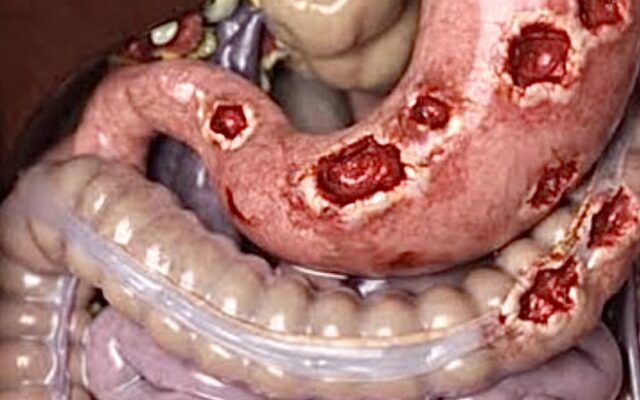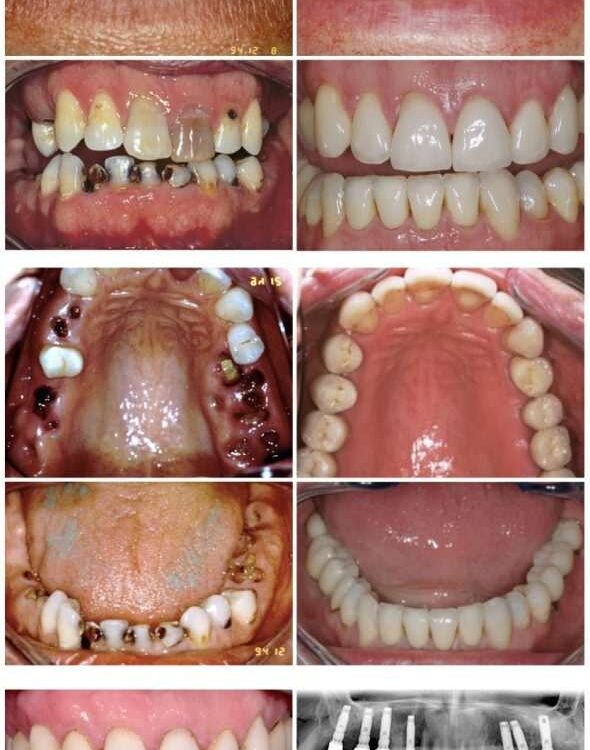
Tooth decay remains one of the most common oral health problems affecting people of all ages, from young children to adults. Despite being largely preventable, the condition continues to cause toothaches, discomfort, difficulty eating, and, in severe cases, tooth loss among individuals who neglect proper oral hygiene and fail to seek timely dental care.
Dental professionals have consistently warned that tooth decay should not be regarded as a minor health issue, as untreated cavities can lead to serious complications that affect an individual’s overall health, confidence, and quality of life.
Tooth decay, also known as dental caries or cavities, occurs when bacteria in the mouth break down sugars and carbohydrates from food, producing acids that gradually damage the enamel, the hard outer surface of the teeth. When these acids repeatedly attack the enamel, they weaken it and eventually create holes in the teeth.
The condition often develops gradually and may not cause noticeable symptoms during its early stages. However, as the decay progresses deeper into the tooth, individuals may begin to experience tooth sensitivity, pain when eating or drinking hot, cold, or sweet foods, visible discoloration, and persistent bad breath.
Poor Oral Hygiene and Sugary Foods Among Major Causes
One of the major contributing factors to tooth decay is poor oral hygiene, particularly failure to brush the teeth regularly and properly. When food particles remain in the mouth, bacteria feed on them and form plaque, a sticky film that accumulates on the teeth and gums.
Frequent consumption of sugary foods, sweets, chocolates, soft drinks, sweetened beverages, and other carbohydrate-rich foods can increase the risk of developing cavities. The bacteria in plaque convert these sugars into acids, which attack and weaken the tooth enamel.
Other factors that may contribute to tooth decay include inadequate fluoride exposure, dry mouth, irregular dental visits, poor dietary habits, and the use of tobacco products.
Children are particularly vulnerable to tooth decay because of their developing teeth, frequent consumption of sugary snacks, and sometimes inadequate brushing habits. However, adults are also at risk, especially those with untreated dental problems, gum recession, or medical conditions that reduce saliva production.
Symptoms Should Not Be Ignored
Although tooth decay may initially develop without pain, several warning signs can indicate that a tooth is becoming damaged.
These include:
- Toothache or spontaneous pain.
- Sensitivity to hot, cold, or sweet foods and drinks.
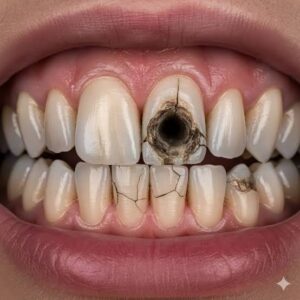
- Visible holes, pits, or dark spots on the teeth.
- Pain when chewing.
- Persistent bad breath.
- Food frequently getting stuck in a particular tooth.
- Swelling around the affected tooth or gums in advanced cases.
Health experts advise individuals experiencing any of these symptoms to seek professional dental evaluation rather than relying solely on painkillers, home remedies, or self-medication.
Complications of Untreated Tooth Decay
When tooth decay is left untreated, it can progress beyond the enamel into the dentine and eventually reach the pulp, the innermost part of the tooth containing nerves and blood vessels. At this stage, the individual may experience severe and persistent pain, making eating, sleeping, and carrying out daily activities difficult.
Advanced tooth decay can also result in dental abscesses, which are pockets of pus caused by bacterial infection. An abscess may cause swelling of the gums, the face, fever, and severe pain. In some cases, the infection may spread to surrounding tissues and require urgent medical attention.
If the affected tooth cannot be saved, a dentist may recommend extraction. However, early detection and treatment can help preserve the natural tooth and prevent more complicated and expensive dental procedures.
Prevention Through Proper Oral Hygiene
Preventing tooth decay begins with maintaining good oral hygiene and making healthier dietary choices. Dental professionals recommend brushing the teeth at least twice daily with fluoride toothpaste, particularly before going to bed at night.
Individuals are also encouraged to clean between their teeth daily using dental floss or other recommended interdental cleaning tools to remove food particles and plaque that toothbrushes may not reach.
Reducing the consumption of sugary foods and drinks is another important preventive measure. Instead of frequently consuming sweets, biscuits, cakes, and soft drinks, individuals should consider drinking water and eating healthier foods such as fruits, vegetables, and other balanced meals.
Parents and caregivers are advised to supervise young children’s toothbrushing activities to ensure that they clean their teeth properly and use appropriate amounts of fluoride toothpaste.
Regular dental check-ups are equally important because dentists can identify early signs of decay before they become painful or require extensive treatment. Professional dental cleaning can also help remove plaque and tartar buildup that contribute to oral health problems.
Public Awareness and Access to Dental Care
Oral health awareness remains important, particularly in communities where dental visits are often delayed until pain becomes unbearable. Many people resort to self-medication or traditional remedies when experiencing toothaches, potentially delaying proper diagnosis and treatment.
Dental professionals encourage the public to understand that oral health is an essential component of general health and should not be neglected. Maintaining healthy teeth and gums can improve nutrition, speech, appearance, confidence, and overall well-being.
They also stress the importance of educating children about proper oral hygiene from an early age, as good habits established during childhood can help reduce the risk of dental problems later in life.
As tooth decay continues to affect millions of people worldwide, individuals are urged to take responsibility for their oral health by brushing regularly, limiting sugar intake, drinking sufficient water, and seeking professional dental care when necessary.
Tooth decay may be preventable, but ignoring its early warning signs can lead to avoidable pain, infection, and tooth loss. Maintaining a healthy smile requires consistent care, proper hygiene, and timely intervention from qualified dental professionals.