Eczema, a common skin condition that affects millions of people worldwide, continues to cause discomfort, itching, inflammation and emotional distress among individuals of different ages. Although the condition is not contagious, its persistent symptoms can interfere with sleep, daily activities, self-confidence and overall quality of life.
Health experts have continued to encourage public awareness of eczema, stressing the importance of proper skincare, early identification of triggers and appropriate medical treatment to prevent flare-ups and complications.
Eczema, medically known as atopic dermatitis in its most common form, is a chronic inflammatory skin condition characterised by dry, itchy, irritated and sometimes cracked skin. It can affect children, adults and older people, although symptoms often begin during childhood.
The condition may appear on different parts of the body, including the face, hands, neck, elbows, knees and other areas where the skin folds. In some people, eczema may improve with age, while others experience symptoms throughout adulthood.
Unlike infections that can spread through physical contact, eczema cannot be transmitted from one person to another through touching, sharing clothes or living in the same environment.
Symptoms and warning signs
The symptoms of eczema vary from person to person and may range from mild irritation to severe inflammation that requires medical attention.
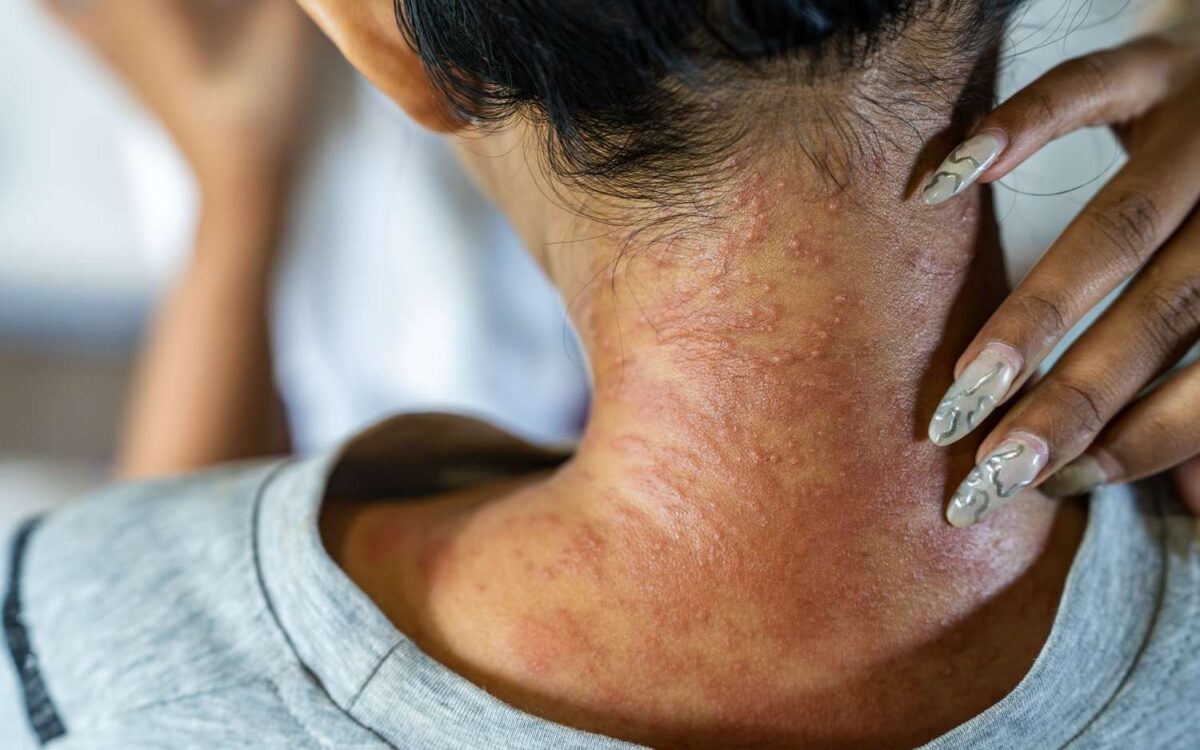
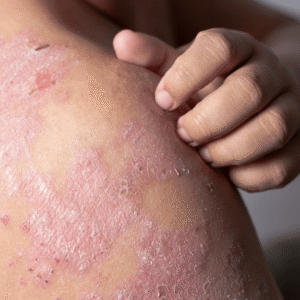
Common symptoms include persistent itching, dry or scaly skin, redness or discoloration, swelling, skin cracking and the appearance of small bumps that may leak fluid when scratched.
In people with darker skin tones, eczema may appear as dark brown, purple, grey or lighter patches rather than the redness commonly associated with the condition.
Itching is often one of the most troubling symptoms, particularly at night. Scratching may temporarily provide relief but can worsen inflammation, damage the skin barrier and increase the risk of bacterial infections.
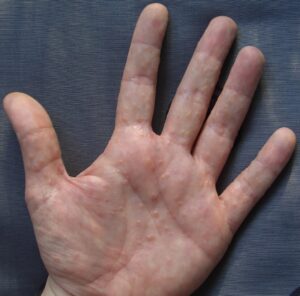
In severe cases, affected skin may become thickened, painful, develop open sores or show signs of infection, including pus, increased warmth and spreading redness.
What causes eczema?
Although the exact cause of eczema is not fully understood, medical experts believe it is associated with a combination of genetic factors, immune system abnormalities and environmental influences.
People with eczema often have a weakened skin barrier, making it easier for moisture to escape and irritants, allergens and microorganisms to enter the skin.
This can cause the skin to become excessively dry, sensitive and vulnerable to inflammation.
Individuals with a family history of eczema, asthma or allergic rhinitis may have a higher risk of developing the condition.
Environmental factors can also trigger or worsen symptoms, including excessive heat, sweating, cold weather, dry air, dust, certain soaps, detergents, perfumes, rough fabrics and stress.
Food allergies may contribute to eczema symptoms in some individuals, particularly young children, but food is not the cause of eczema in everyone. Health professionals caution against unnecessarily eliminating entire food groups without proper medical advice, as this may lead to nutritional deficiencies.
Eczema in children and adults
Eczema is particularly common among children, with many experiencing symptoms during their first years of life. Babies may develop eczema on their cheeks, forehead, scalp and other parts of the body, while older children often experience it around the elbows, knees, wrists and ankles.
Adults may experience eczema on the hands, face, neck and other areas, with symptoms sometimes becoming more persistent due to occupational exposure to chemicals, frequent handwashing or environmental irritants.
The condition can also affect a person’s emotional well-being. Persistent itching, visible skin changes and discomfort may cause embarrassment, anxiety, poor sleep and reduced confidence, especially among teenagers and young adults.
Health professionals have therefore emphasised that eczema management should address not only the physical symptoms but also the psychological effects of living with a chronic skin condition.
Effective management and treatment
Although eczema has no permanent cure, its symptoms can be controlled through proper skincare, medication and avoidance of known triggers.
Regular moisturising is one of the most important measures for managing eczema. People affected by the condition are encouraged to use fragrance-free moisturisers or emollients frequently to keep the skin hydrated and strengthen its protective barrier.
Taking short baths or showers with lukewarm water rather than hot water may help prevent excessive dryness. Mild, fragrance-free soaps and cleansers are also recommended to reduce irritation.
Doctors may prescribe topical corticosteroid creams or ointments to control inflammation during flare-ups. Other prescription treatments may be recommended for moderate to severe cases when ordinary skincare measures are insufficient.
Patients are advised against using steroid creams, bleaching products, herbal mixtures or other medications without proper guidance from a qualified healthcare professional, as inappropriate treatment may worsen symptoms or cause additional skin problems.
Wearing loose-fitting clothing made from soft materials, avoiding excessive heat and sweating, keeping fingernails short and maintaining a regular skincare routine can also help reduce irritation.
Preventing flare-ups
People living with eczema are encouraged to identify and avoid personal triggers that worsen their symptoms. Keeping a record of flare-ups may help identify patterns associated with particular products, environmental conditions, activities or stress.
Maintaining a clean environment, washing clothes with mild detergents, avoiding heavily fragranced products and managing stress can contribute to better symptom control.
Parents and caregivers are encouraged to seek medical attention when children develop persistent itching, unusual rashes or skin irritation that interferes with sleep and normal activities.
Medical attention is particularly important when the skin becomes painful, develops blisters, produces pus or shows signs.
As eczema continues to affect people across different age groups, health awareness campaigns remain important in correcting misconceptions surrounding the condition.
Health experts stress that eczema is not a sign of poor personal hygiene and should not be treated with shame or discrimination.
With proper diagnosis, consistent skincare, appropriate medication and awareness of triggers, many people living with eczema can significantly reduce flare-ups and maintain a better quality of life.
The public is encouraged to seek professional medical advice rather than rely on unverified remedies, particularly when symptoms are severe, persistent or worsening.
Understanding eczema, recognising its symptoms and adopting effective management strategies are essential steps towards reducing the burden of the condition and improving the well-being of those affected.